Chapter 1
Athens
Growing Up Digital
“And then?” Akiko asks. “The bus. The soldiers.”
“I can't tell you that part until I tell you something else.”
She waits.
“What would have happened if you hadn't gone?” she asks.
“If I did not get on that plane on the 13th,” I say, “the Greek military. After that, the family trajectory. Good schools, engineering degree, respectable career.”
“That doesn't sound so bad.”
“It wasn't bad. That was the problem.”
Sitting with Akiko, trying to tell the story of the journey, I realize I need to start further back.
Before Mexico. Before Cassie. Before any of it.
I need to start in Athens.
Because Athens is where I learned to feel like an outsider. Where I learned that being between worlds, never fully one thing or another, would define my whole life.
I was born in 1978.
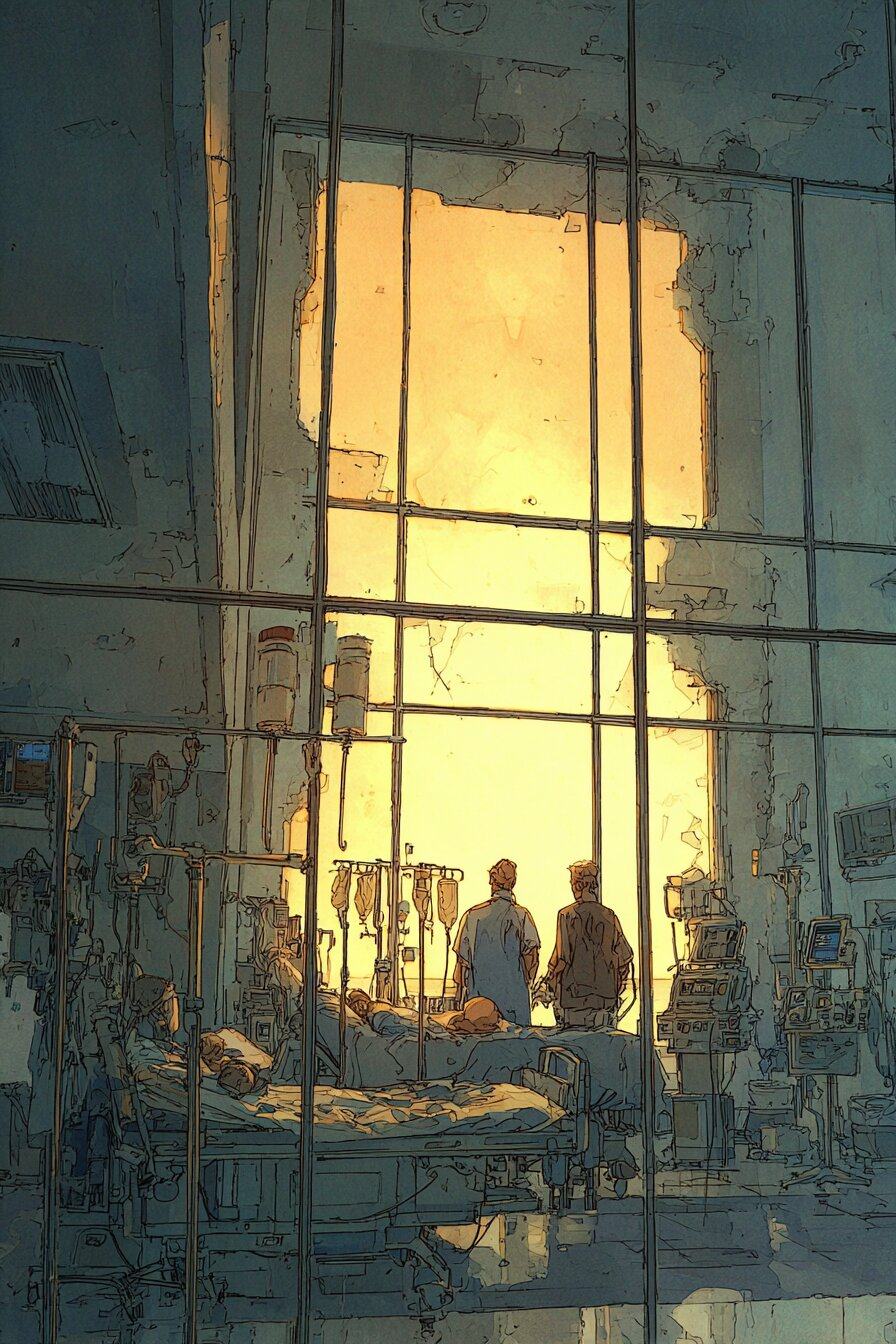
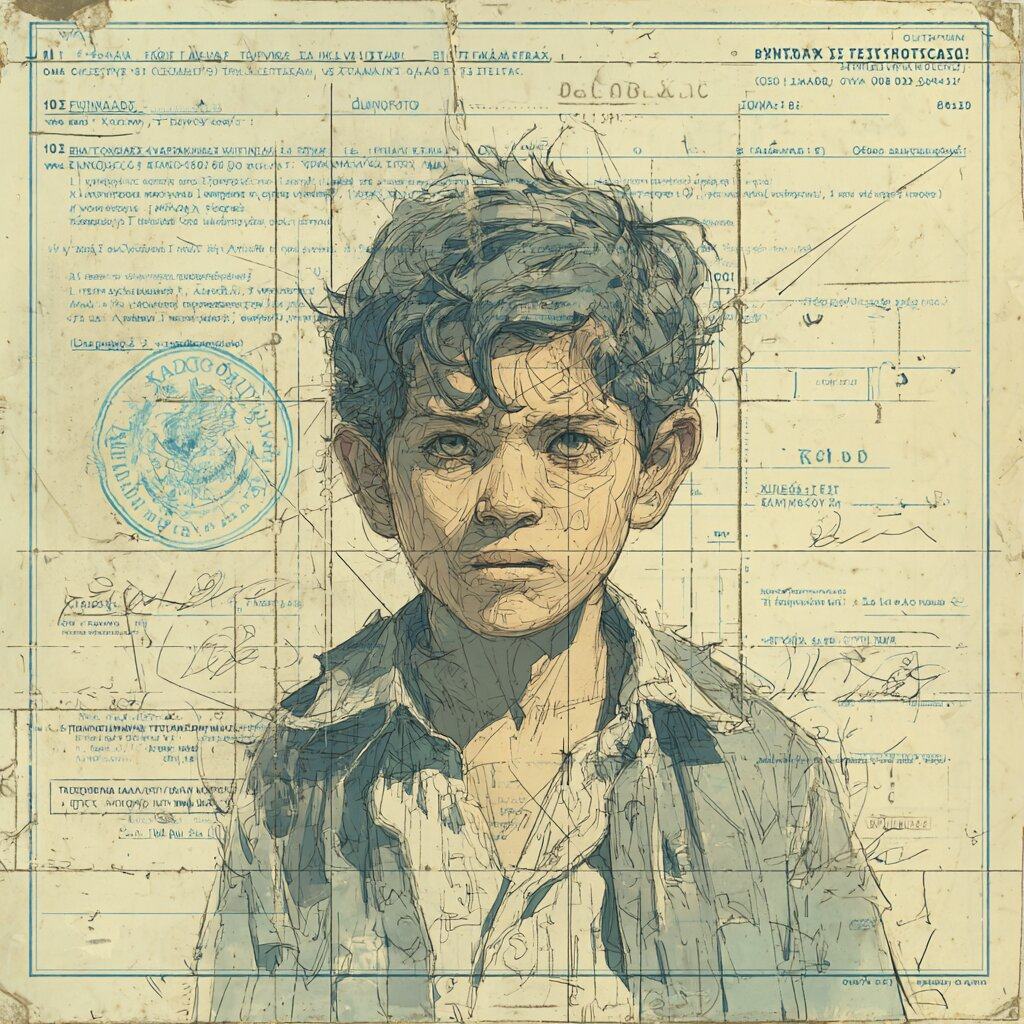
In a hospital in Athens, Greece. Greek father, Greek mother, Greek passport. Greek name. Nikolaos, which Americans would mispronounce for the rest of my life. Nicholas? Nick? Nicky?
But I wasn't really Greek.
Or at least, I didn't feel Greek.
My parents had lived in America in the seventies. They came back to Athens when I was a baby, but they brought America with them. American ambition. American materialism. American belief that you could engineer your life like you engineer a building. That success was measurable. That pragmatism was a virtue.
So I grew up in Greece, but I was raised American.
In many ways, after coming to America, I was no longer Greek, but not American either. And when I go back to Greece I feel the same way.
And I spent my whole childhood feeling like I didn't quite fit.
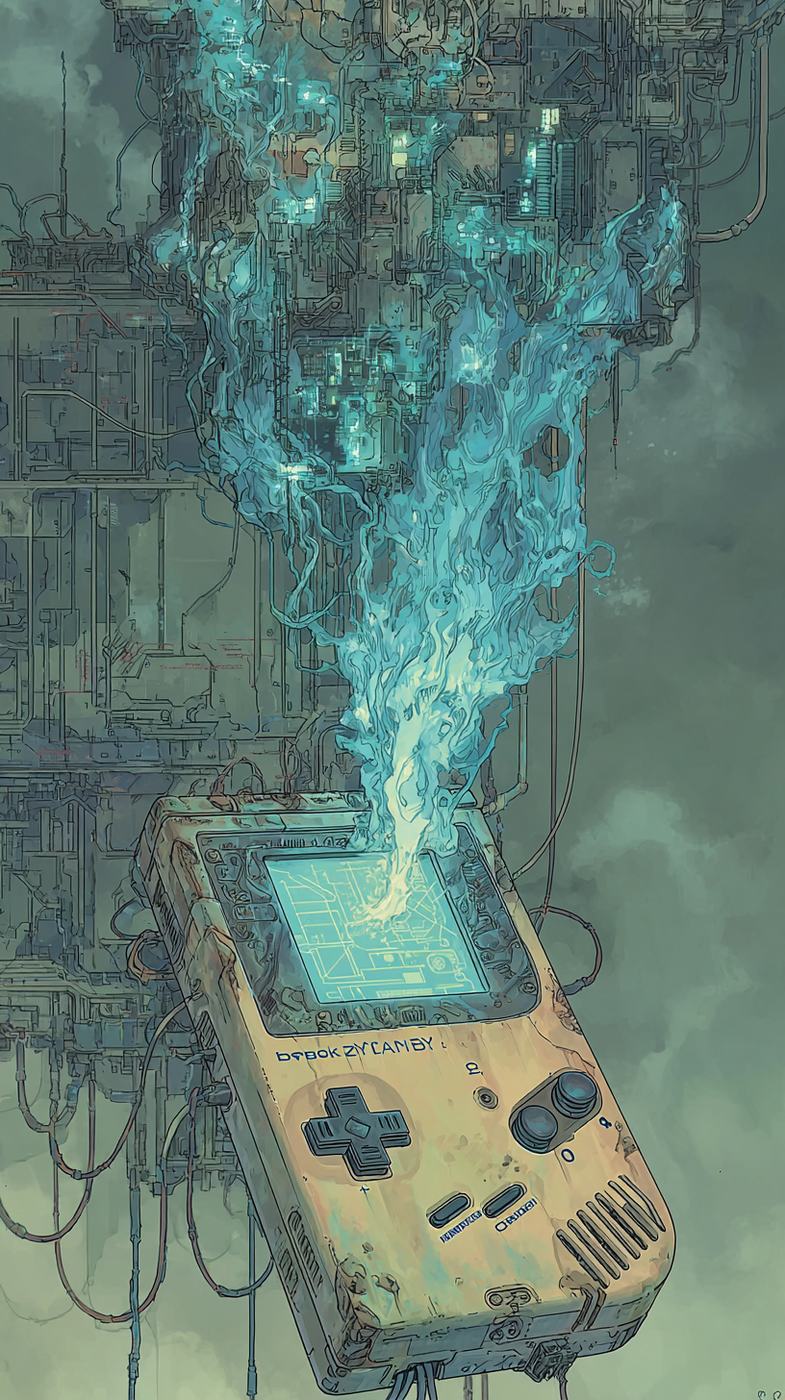
I first felt different when I got the Game Boy.
My mom brought it back from a trip to New York. 1989. I was eleven. Nintendo Game Boy, gray plastic, green screen, Tetris cartridge.
I was the only kid in my class who had one.
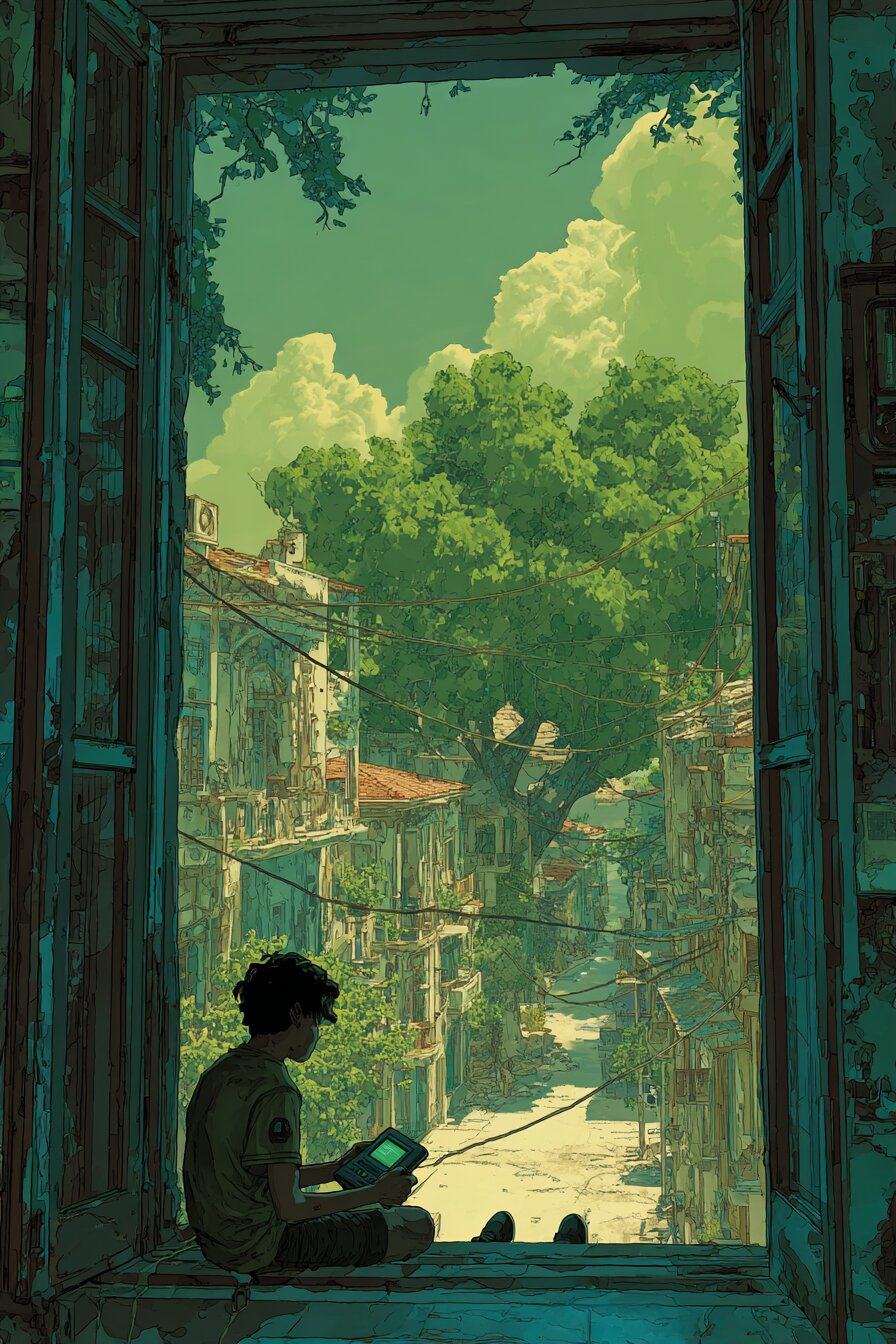
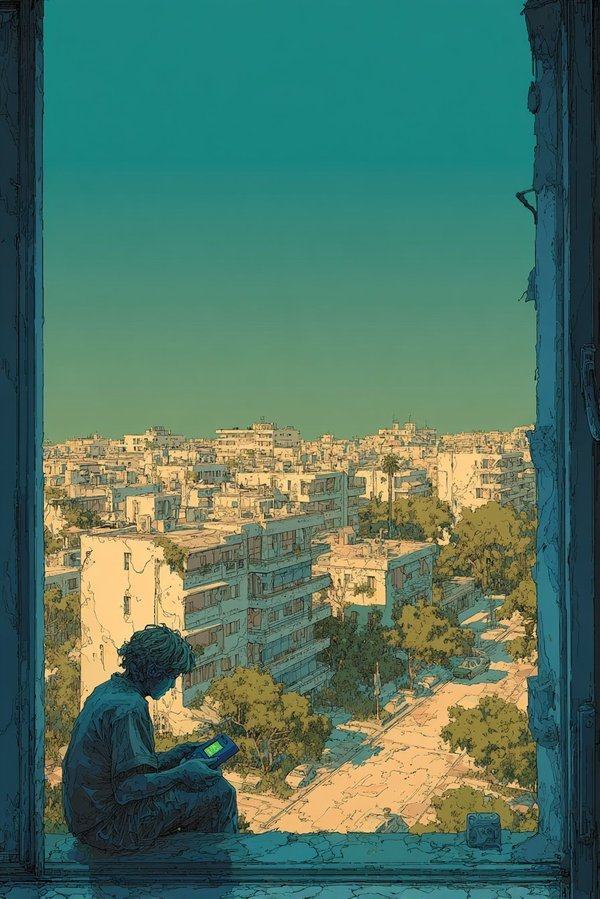
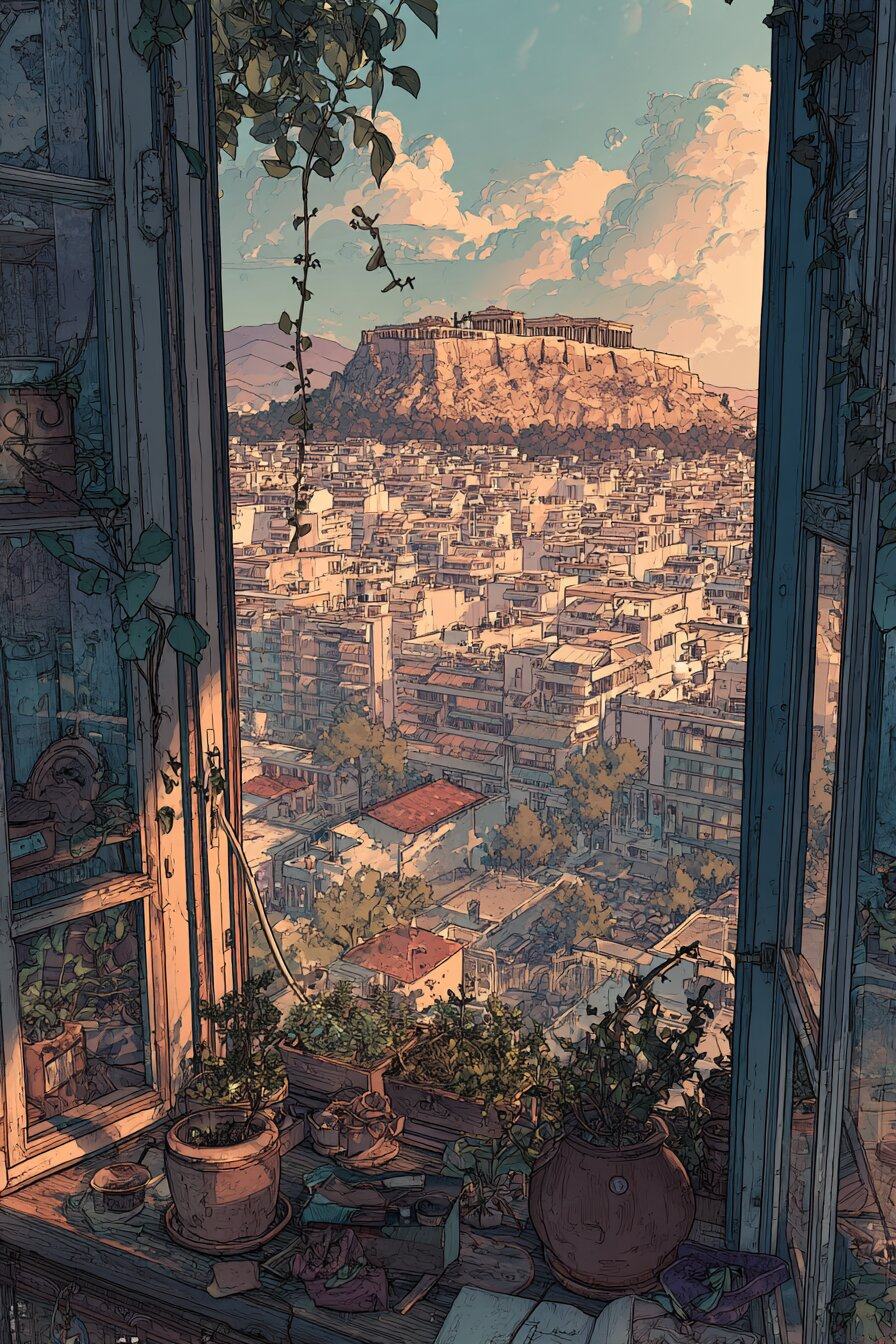
I'd sit by the window in our apartment in Kifisia, a northern Athens suburb, trees and quiet streets, playing Tetris and Super Mario for hours. And I felt it even then: this little machine was from the future. A future that existed in America and Japan but hadn't fully arrived in Greece yet.
The impulsive desire to control something and determine its fate made me feel like I was a little god, ruling over a world that was made for me.
I was living in two timelines.
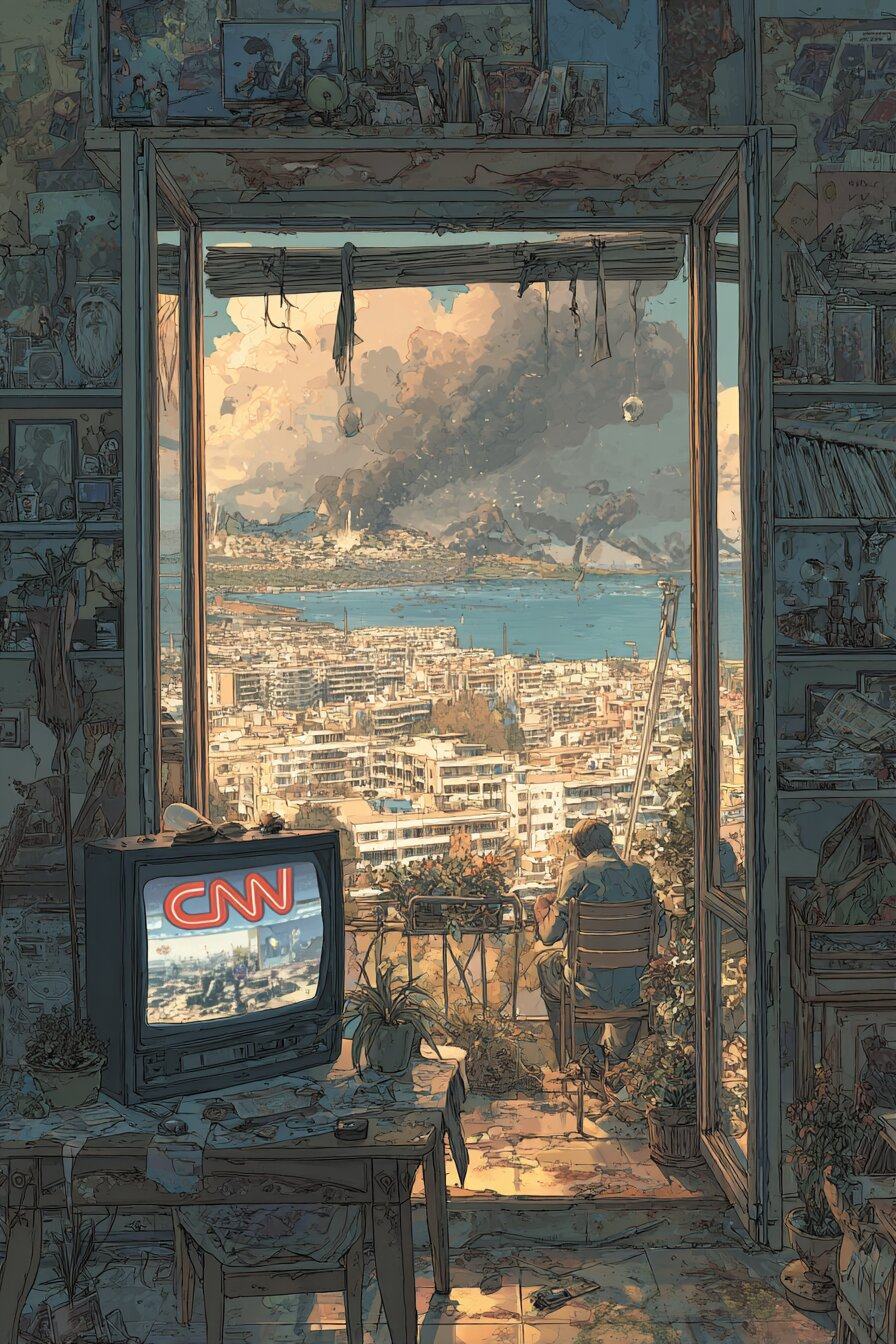
We had just recently got 15 more channels on TV; before this we had only 3 channels, all of which were government-owned and limited their programming to news, documentary, children’s programming, and a few good films.
Now I could be a second god also, the god of the remote control, and could watch MTV, CNN, Sky, and many other European and international channels. Wow! They looked so much better than our public channels. I am not sure why, but it might have been the colors, the rhythm, the style. I could never put my finger on it; it just looked cooler, like it was from the future or something. Flipping through the channels, I could not but notice one that stood out. MTV was a pulse that hypnotized me, the Pied Piper that manipulated the interiors of the Greek youth’s mind, shaping my mythologies, my projections, and the aspirations of my life.
There was something different about that time of my life. It must have been the light; the colors looked more vibrant, and new, almost like when you look at slides and compare them to photos of the same thing. Maybe it was my new eyes getting used to the glow of life, maybe the light really did have a different frequency.
My friends and I would watch MTV for hours. Absorbing it. Imitating it. Trying to decode what coolness was, what being young meant in this new global culture that was suddenly accessible.
It changed us. Changed Greece. Changed everything.
What I could not see from the window was the size of the jump. Western Europe and America had been at this for fifty years. Greece did it in a decade. I did not have words for it at eleven. I found them later.
We jumped forward, and time started to accelerate. The present and the future coming closer and closer together.
And in order to move forward, do you need to forget as well? Is there a finite amount of memory in your hard drive, where if you want to put new things in you have to delete old things? There were countries that were not willing to do that. Especially countries where tradition was very important.
The timing was weird.
I grew up in the golden age of analog. Vinyl records, film cameras, physical maps. The technology of the material world at its peak.
But I came of age digital. CDs, email, the internet, cell phones. The technology of information beginning its explosion.
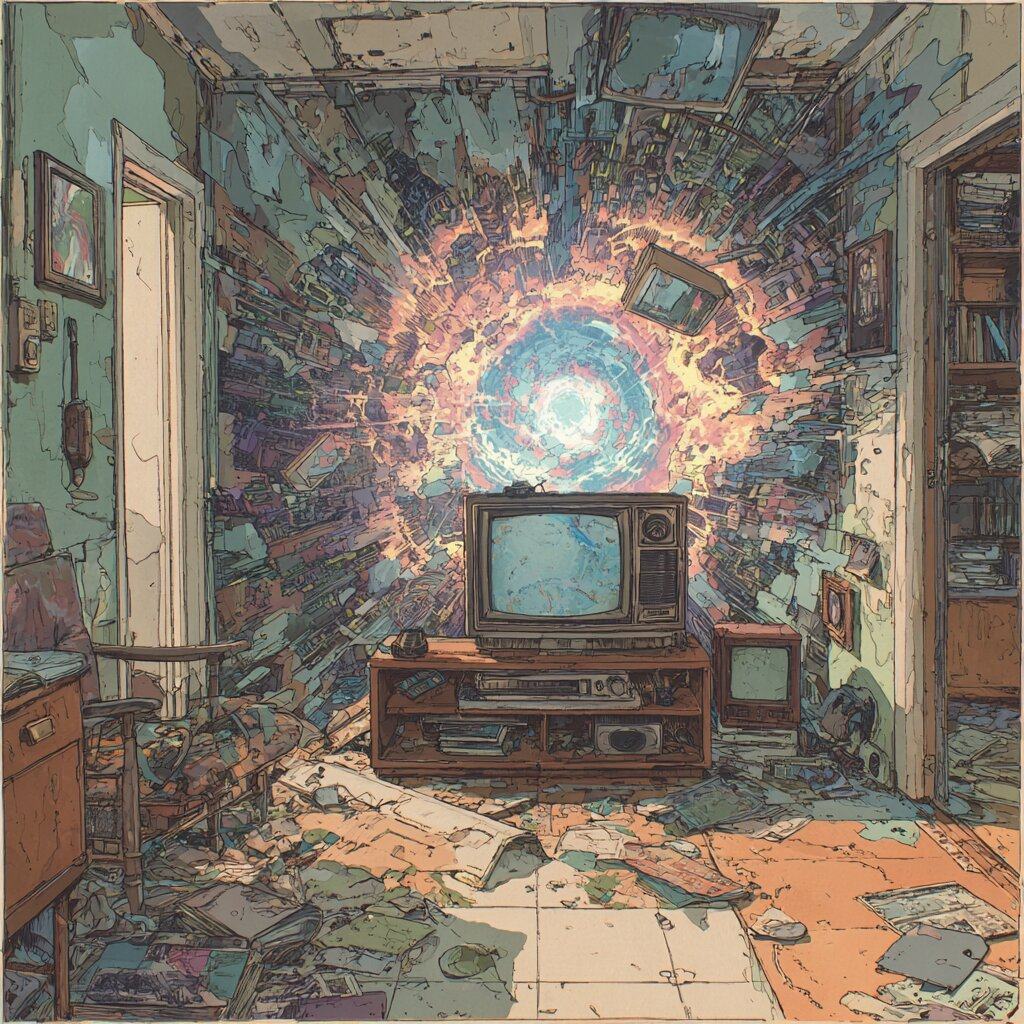
Tarquin, on the bus, called it being a First Waver. One foot in the analog past, one foot in the digital future. Born between 1975 and 1985, right at the hinge point.
And that hinge point, that feeling of living between two worlds, became my permanent condition.
People who are younger than me don't know how to fix their bikes. And people who are older than me don't know how to use the internet.
My parents' generation was obsessed with engineering.
For the privileged minority in Greece, engineering seemed to be in the title of most men’s degrees. Engineering and shipping were equally admirable, provoking valid steps toward the ultimate goal of earning an MBA. After WWI, the influx of refugees into Athens increased the need for more buildings, and a new landscape was destined, physical and abstract. The immediacy of need paired with the recent memories of discomfort launched a very pragmatic, materialistic, and ambitious Neo-Greek, the generation of my parents. An anarchy of civilized behavior bloomed in Athens. Sheltered by the overprotective generation of my grandparents, reckless and irresponsible behavior was fostered and tolerated, making it the standard of Greek life of the 50s. Deprived by the misfortune of the wars, our grandparents’ generation was the first to facilitate their children’s growth, disregarding simple rules of grace and common sense, ensuring themselves a home in the countryside, by their village to retire to.
My father was a mechanical engineer. He grew up in the golden age of the internal combustion engine.
He came from Greece, from a poor background, and arrived in post-war America fascinated by engines and cars. To him the car was an amazing piece of engineering. It was also the thing that transformed the world. It meant freedom. It gave him access, knowledge, insight. It took him places.
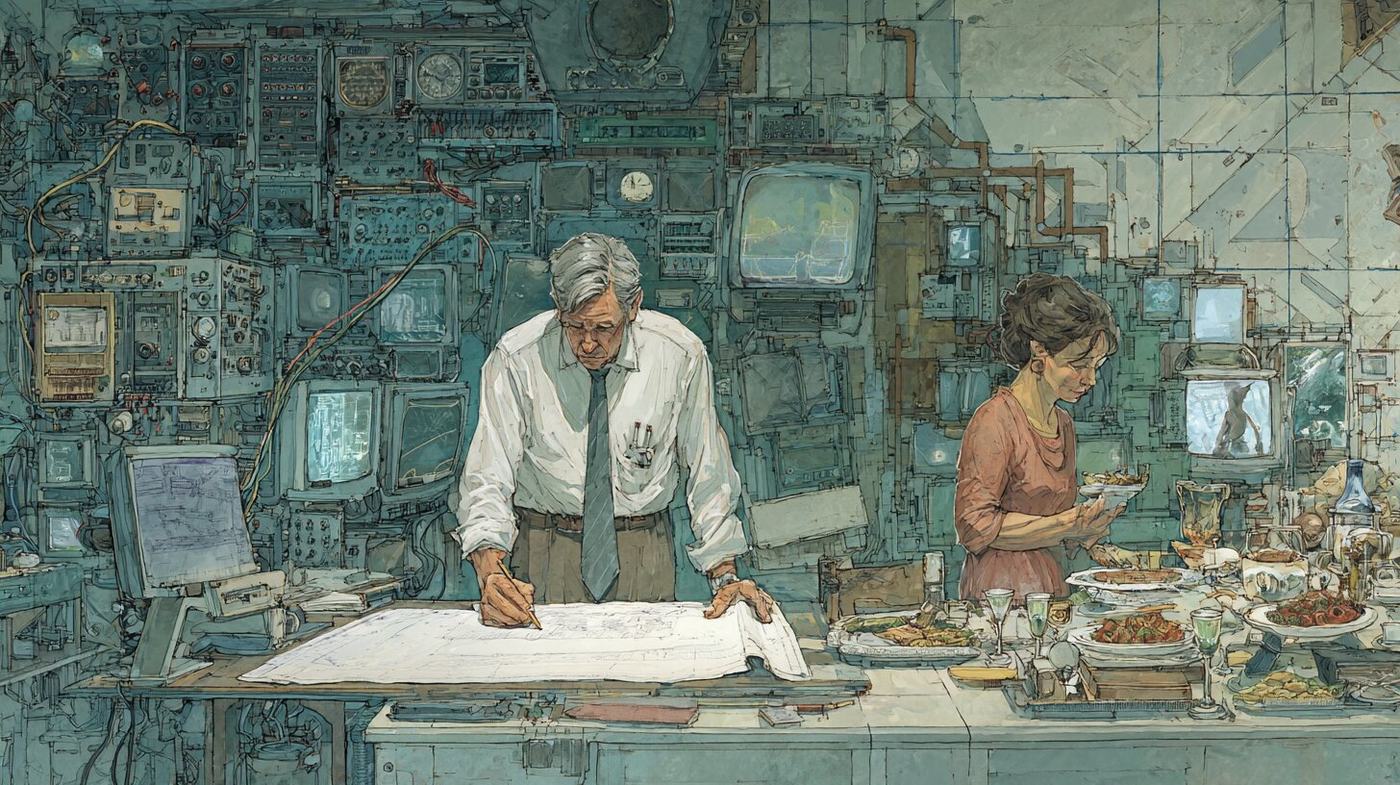
For my generation that object was the computer. The most sophisticated machine we had. It gave me what the car gave him. Freedom. Access to knowledge and information. Wider horizons.
He never saw it. He never thought I was particularly technical, never thought I understood or respected machines and engines. I had the same fascination he had, but for the object of my generation.
That's the irony, and the sad part of the story.
He worked very hard. He was good at it. Successful. Pragmatic. Rational. The kind of guy who could fix any broken machine but had no idea how to talk about feelings. Very kind, thoughtful and loving. He was just not around very often, and not good at saying what he felt.
My mom was different. More artistic. But she'd suppressed that side of herself to fit the role of wife and mother in a culture that valued pragmatism over poetry. She was a housewife with unfulfilled artistic ambitions, channeling her creativity into elaborate dinner parties and perfectly arranged flowers, always with a hint of what might have been.
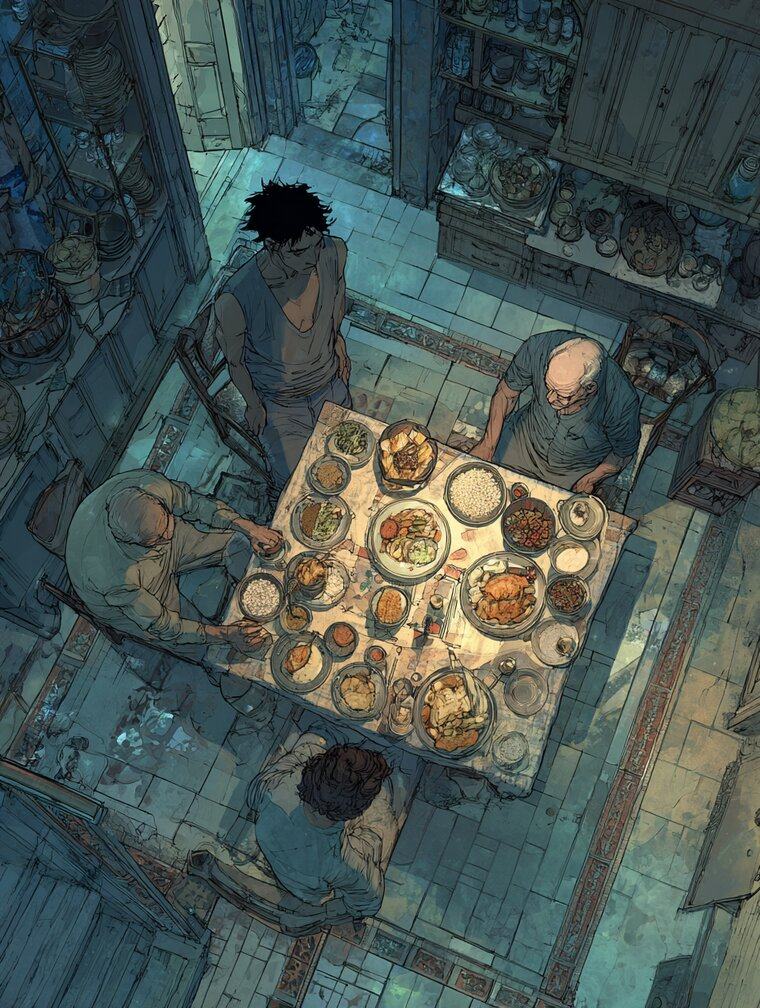
What might have been had a sound in our apartment. It came late at night, father and mother, and I heard it as a fight between two halves of me.
There seem to be two distinct, almost opposite philosophies about the role that family members should play in each other’s lives. Perhaps this is related to being liberal or conservative, perhaps not, but in a nutshell, the Spartan view sees the family’s role as a mirror that reflects back all the things that we can’t see on our own. It’s through this harsh critique that we show our love for we want to help you survive and toughen you up for the real world, which is full of sycophants who will never tell you the hard truth about yourself. On the other side of the spectrum is the Karakatsaneiko philosophy of life, which sees the role of the family as a magnifying glass that only focuses on the virtues and delights of each other’s being. Family should overlook the imperfections, and should be the place where we feel safe and unguarded, and by cultivating our personalities in this safe space we become more resilient out in the world.
Two philosophies in one apartment. Years later I would say Apollonian and Dionysian and call it a pendulum, the thing every epoch swings on, and spend a book on it. Then I had a simpler version. There were two ways to love a kid, and I was torn between them. We loved each other. We just did not agree on what the world was.
And I was my parents' firstborn. Their hope. The one who was supposed to carry forward the family trajectory: good schools, engineering degree, respectable career.
But I was wrong from the start.
I was the kid who daydreamed in math class. Who asked questions no one wanted to answer:
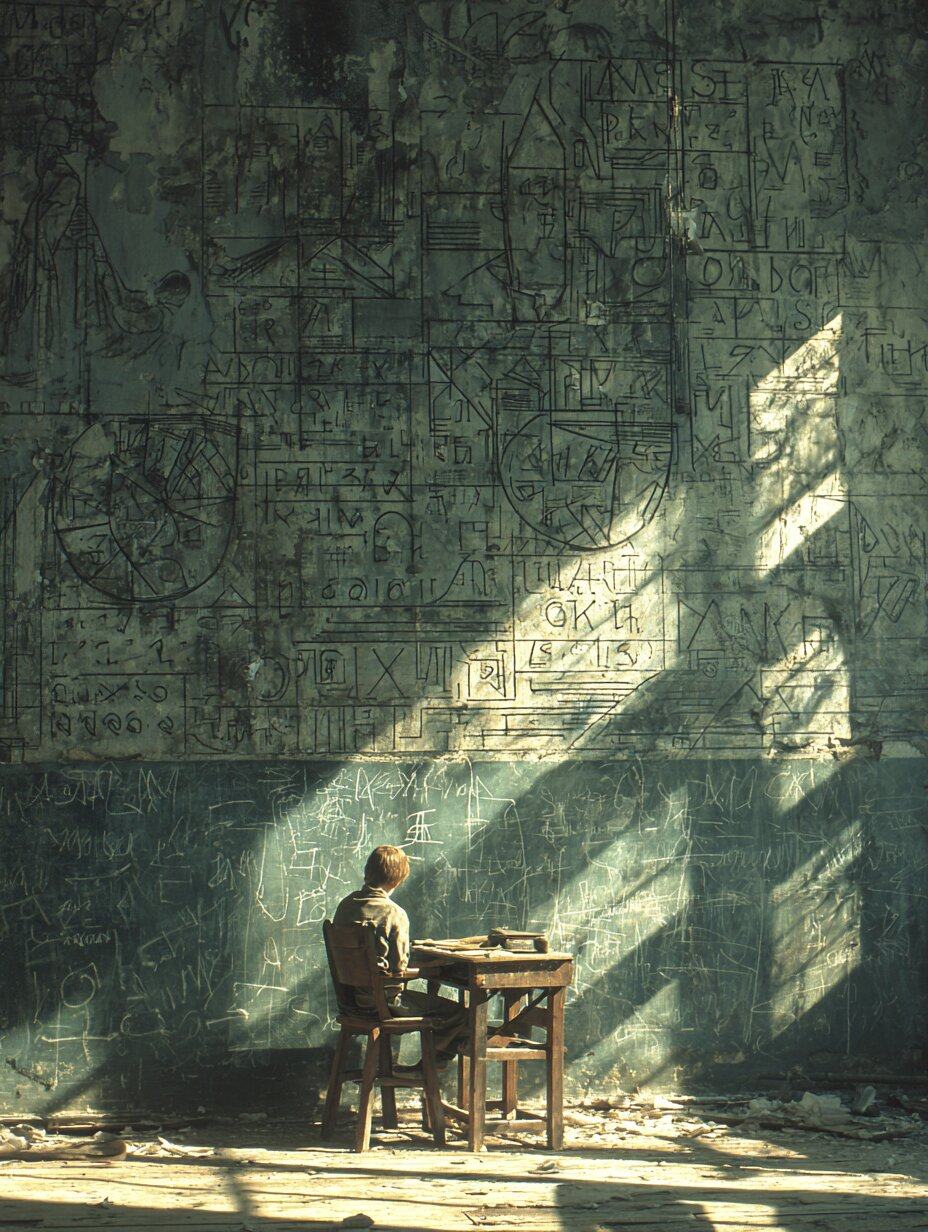
Why do we have to learn this? What's the point of any of this? Why does everyone seem so unhappy if we're doing everything right?
My teachers didn't like me. My parents didn't know what to do with me. Even my friends, kids I'd known my whole life, started to seem alien. They cared about normal things: sports, grades, which girl was cute. And I cared about... I didn't even know what I cared about. Just that it was something else.
Something deeper.
Something real.
The only person in my family who seemed to understand was my grandmother.
My dad's mom. She was old-school Greek. Orthodox Christian, went to church every week, said her prayers, observed the fasts. She believed in saints and miracles and the power of faith.
My parents thought she was naive. Old-fashioned. They'd go through the motions, church on Easter and Christmas, but it was performative. Empty ritual.
But my grandmother actually believed.
And I remember, even as a kid, feeling like she had something my parents didn't. Some connection to meaning. To purpose. To something beyond the material grind of building and earning and achieving.
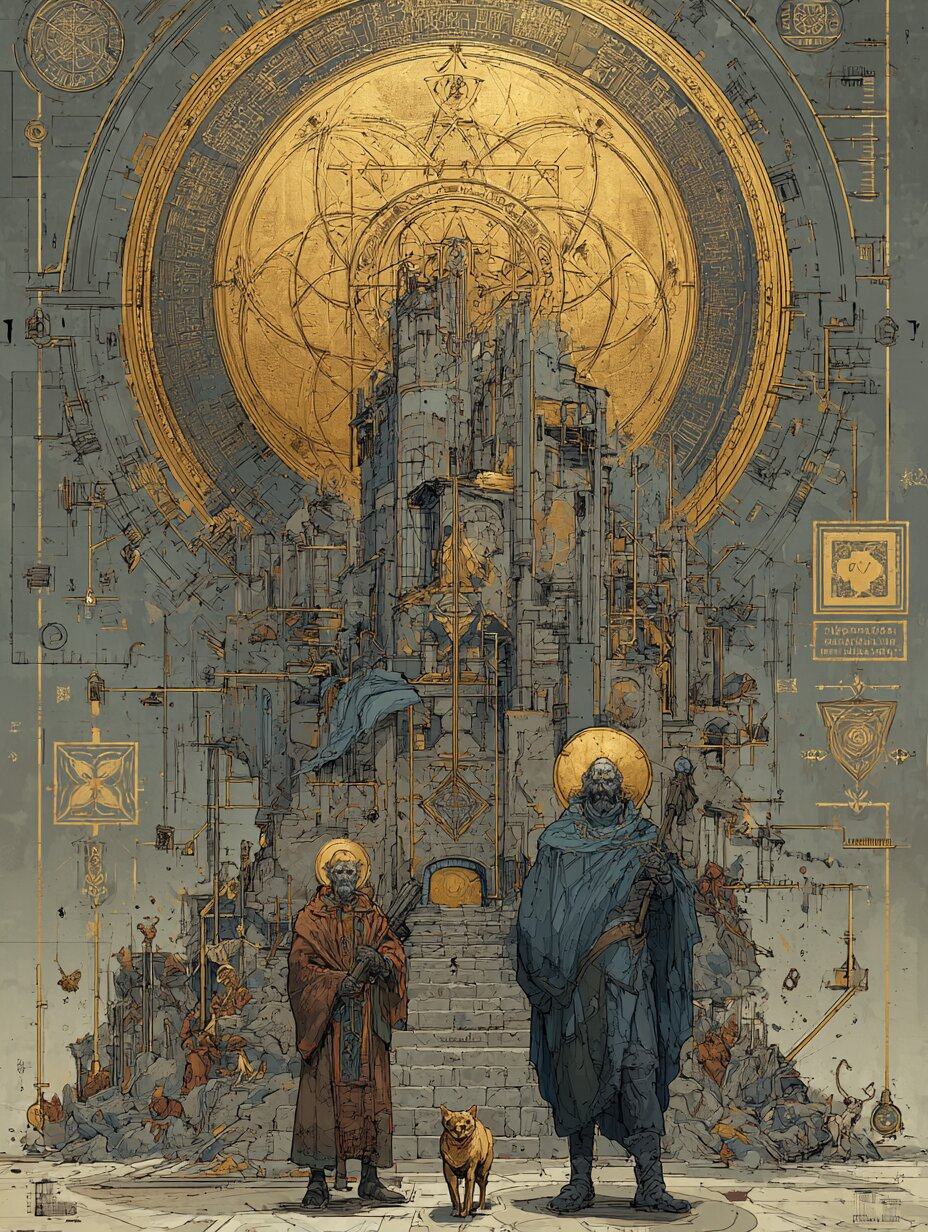
She'd give me these little icons, Saint Christopher, the Virgin Mary, and tell me stories. Not the sanitized Bible stories you get in Sunday school. The wild ones. Saints who spoke to animals. Miracles that defied physics. Mysteries that couldn't be explained.
My parents would roll their eyes. But I loved those stories.
Because they suggested that the world was bigger and stranger and more magical than the engineering textbooks admitted.
But there was one story she told me that I didn't fully understand until much later.
Her own story. From the Greek Civil War.
I was maybe ten or eleven when she first told me. We were sitting in her kitchen in Kifisia, and I'd asked her about the faded photographs on the wall. Black and white images of villages I didn't recognize. People who looked like they'd seen things.
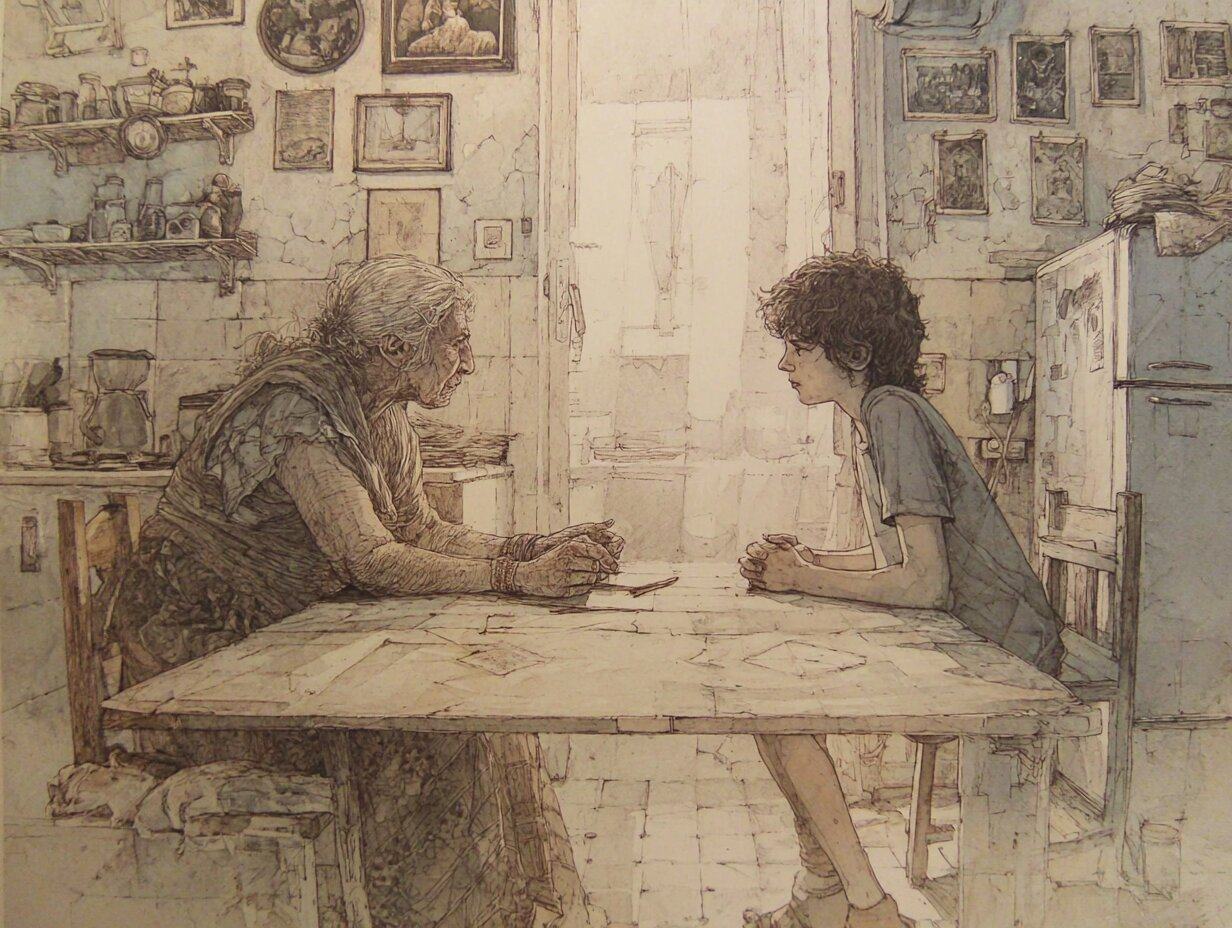
My grandmother, her name was Vera, was thirteen years old when it happened.
“The Communists were really violent. And there is a square in Athens which is called the weeping square, now called Klathmonos. And for a moment, there was a siege of Athens, and the Communists took over. And there were people hanging from trees.”
“And they would take them and just slaughter them. They didn't have enough knives and they were using cans. There were buckets full of eyes.”
My grandmother and her mother were being taken to be executed. One of the guards keeping order, his wife had given birth during the Second World War, and my great-grandfather had delivered the baby. So he recognized my great-grandmother and grandmother in line. And he took them out of the line.
She was quiet for a long time. Then she started talking.
“Do you understand?” she asked me, her hands folded on the kitchen table, eyes holding mine. “That guard could have been looking the other way. For no reason. Random. Chaos. Luck.”
“But why?” I asked. “Why did he save you?”
She shrugged. “Because he remembered? Because he was grateful? Because for one second he saw us as people, not enemies? Does it matter? He looked our way. And because he looked our way at that exact moment, I lived. Met your grandfather. Had your father. And now here you are.”
I remember feeling confused. Wanting there to be a reason. A meaning.
“And if he hadn't looked?” I asked.
She smiled sadly. “Then you wouldn't exist. Your father wouldn't exist. None of this conversation would be happening. All because of which direction a young man's eyes turned that morning. Random.”
She reached across the table and touched my hand.
“This is what I want you to understand, Niko. We are all here because of a thousand random moments. Guards who looked the right way. Boats that missed the storm. Strangers who offered help. Tiny choices that cascaded into everything. You ask me why I believe in God? Because I watched people die and others live, and there was no reason. And yet here we are. Still alive. Still choosing. Still making new moments that will change everything for people not yet born.”
I didn't get it. Not then.
To a ten-year-old kid playing Game Boy in suburban Athens, the Greek Civil War was ancient history. Boring. Sad. But not relevant.
It would take more than a decade before I'd understand what she was really telling me.
That trauma echoes across generations.
That violence repeats in patterns we can barely see.
That survival is often random, but what we do with that survival is not.
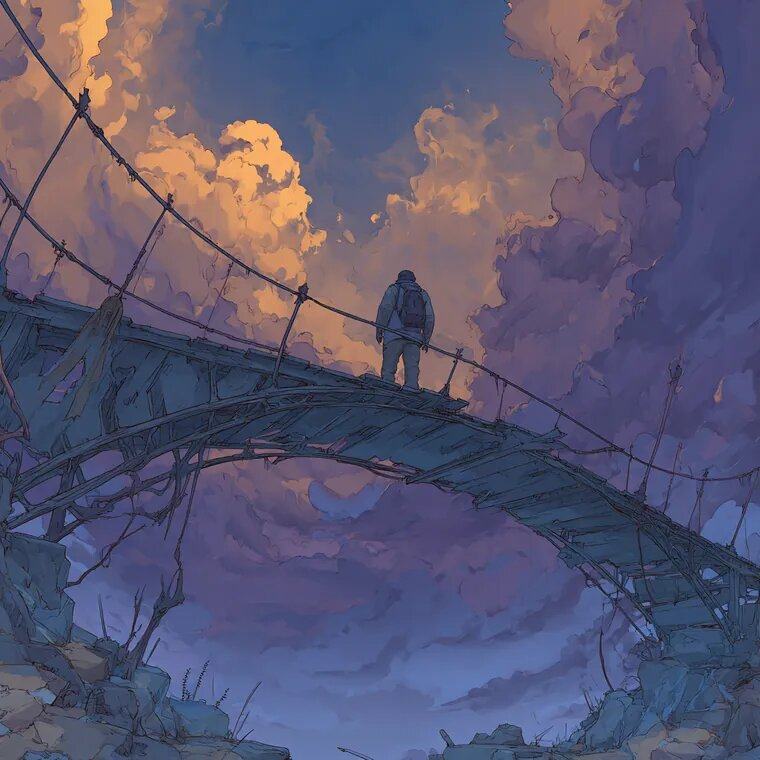
And that sometimes the greatest gift is simply bearing witness, being present for the moments of chaos and horror, and carrying the memory forward so it means something.
My grandmother survived the execution line. And she carried that memory through the rest of her life, shaping how she saw the world, how she raised her children, how she told stories to her grandson.
She turned trauma into transmission. Horror into wisdom.
And when I was old enough to understand, she passed it to me.
Sitting here now, after everything that's happened, I realize my grandmother was right.
The world is bigger and stranger and more magical.
We just got really good at pretending it isn't.
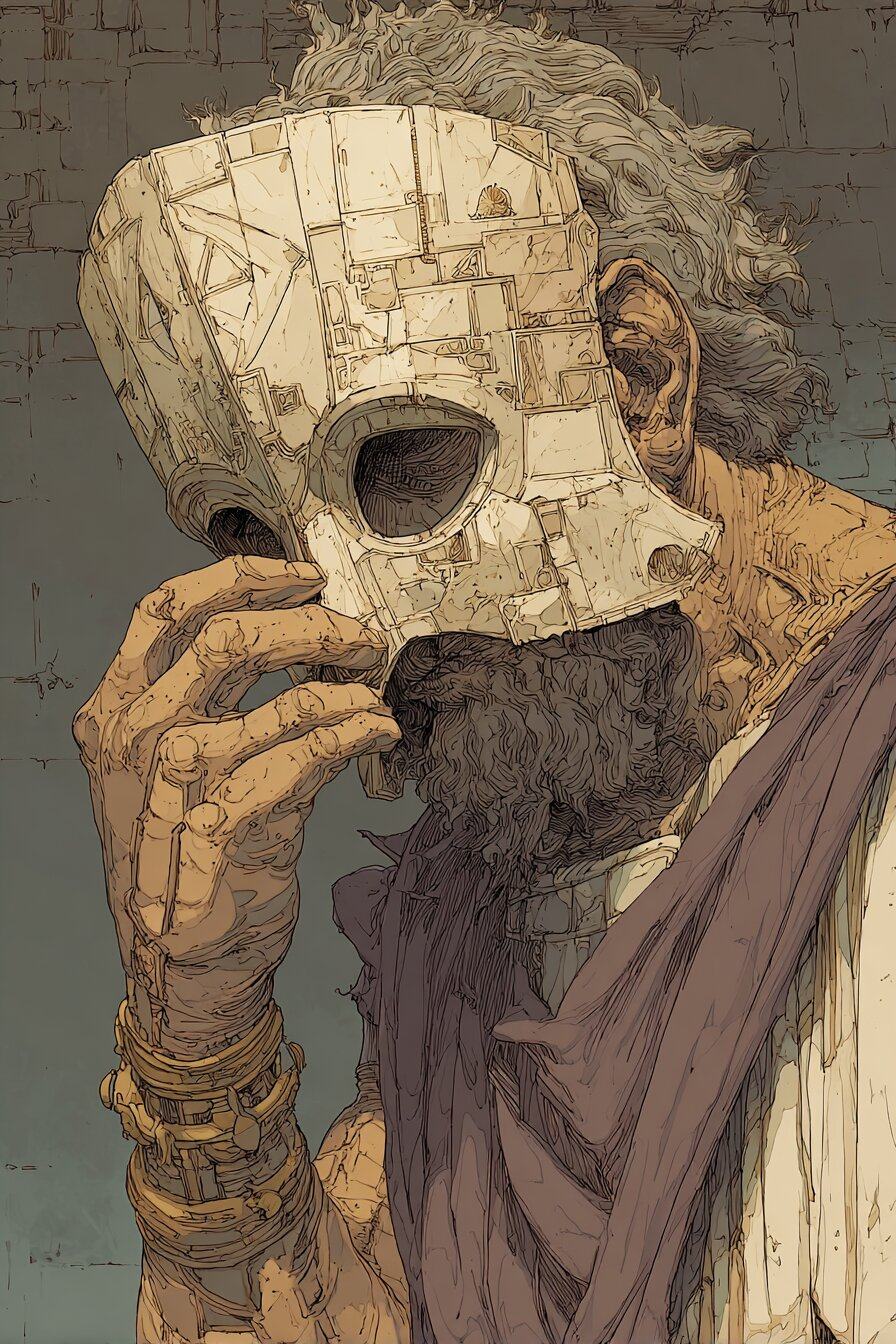
Our existence is a miracle. And being able to acknowledge that, no matter how stressful it is, reminding ourselves of that miracle, and honoring it with the choices we make every single day is what makes your life holy. Spiritual, purposeful, meaningful.
And it's also more random and chaotic and indifferent than the saints' stories suggested.
Stamped in oxide, on paper
Growing Up Digital
Pattern and chaos. Order and randomness. Zero and one.
Both real. Both true. Both operating simultaneously.
The question isn't which one is correct. The question is: How do you live in the space between?
How do you find the pattern without denying the chaos? How do you make choices that matter when you know that sometimes it all comes down to which way a guard happens to be looking?
I didn't have an answer at ten. Or at twenty-three, when I left for Mexico.
I'm not sure I have one now.
But the whole journey, the whole search for flow and synchronicity and the wave, was an attempt to answer my grandmother's question.
I didn't want a comforting story that erased the terror of that square. I wanted to know if there was a way to sense pattern without lying to myself about how much is just luck.
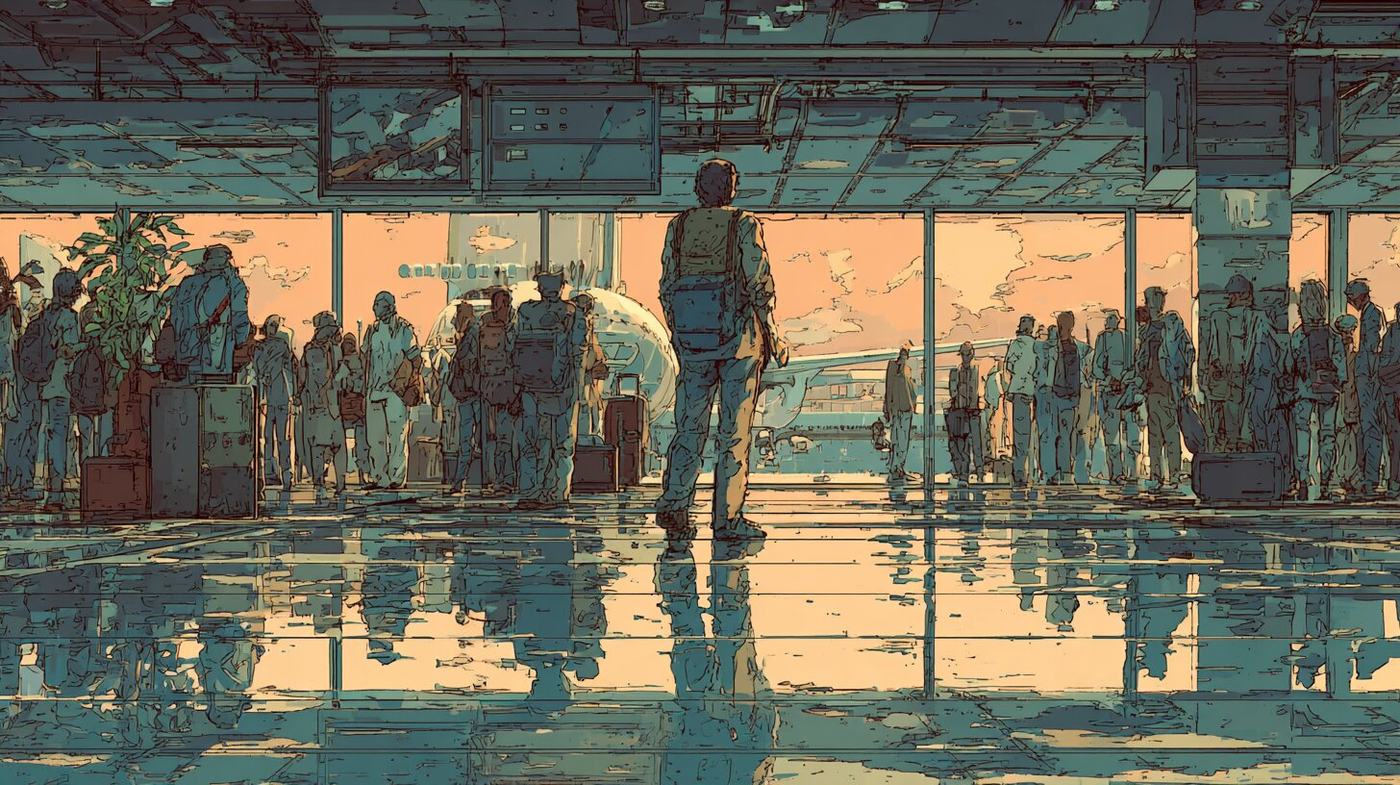
Is there pattern in the chaos? Can you find it? Can you surf it?
Or are we all just standing in line, waiting for a guard to look our way?
Good people who had their flow died in that line.
No doubt. I'm not saying that you can avoid death. The best surfers in the world die on a wave. There's no guarantee.
When I was a teenager, things got worse.
I'd hit puberty, which is hard for everyone. But I also hit this crisis of meaning. This feeling that everything I'd been told was important, grades, success, money, status, was bullshit. Empty. A game everyone was playing because they didn't know any other options.
Love in my family was mediated by money. My dad showed love by working hard and providing. My mom showed love by managing the household and making sure we looked respectable. That was love. Real love, in the currency the house had. But actual intimacy? Actual vulnerability? Actual presence?
Hard to find.
Or if they were there, they were so buried under layers of Greek propriety and materialistic ambition that I couldn't find them.
And I became obsessed with finding it. With experiencing something real. Something direct. Something that didn't require an interpreter or mediator or transaction.
As a young child I never read for pleasure. Of course I had my summer reading to do, but I never picked up a book on my own; it just never occurred to me. As I was reaching the toughest years of adolescence, and the hormones boiled with the desperate need to establish my own resonance, certain people appeared out of the blue. They could have been people I had known for a while or someone I had met on the street or in a café; they would suggest I read some book. Every time the situation arose the flavor of the intimate communication would be the same, as if an honest secret was being shared, self-aware of its transformative potential. I would automatically read the book suggested, sometimes in one sitting. Not only would I read the books quickly, but I would also retain most of the information, a lot of which I had an intuitive sense of even though I had never studied similar disciplines.
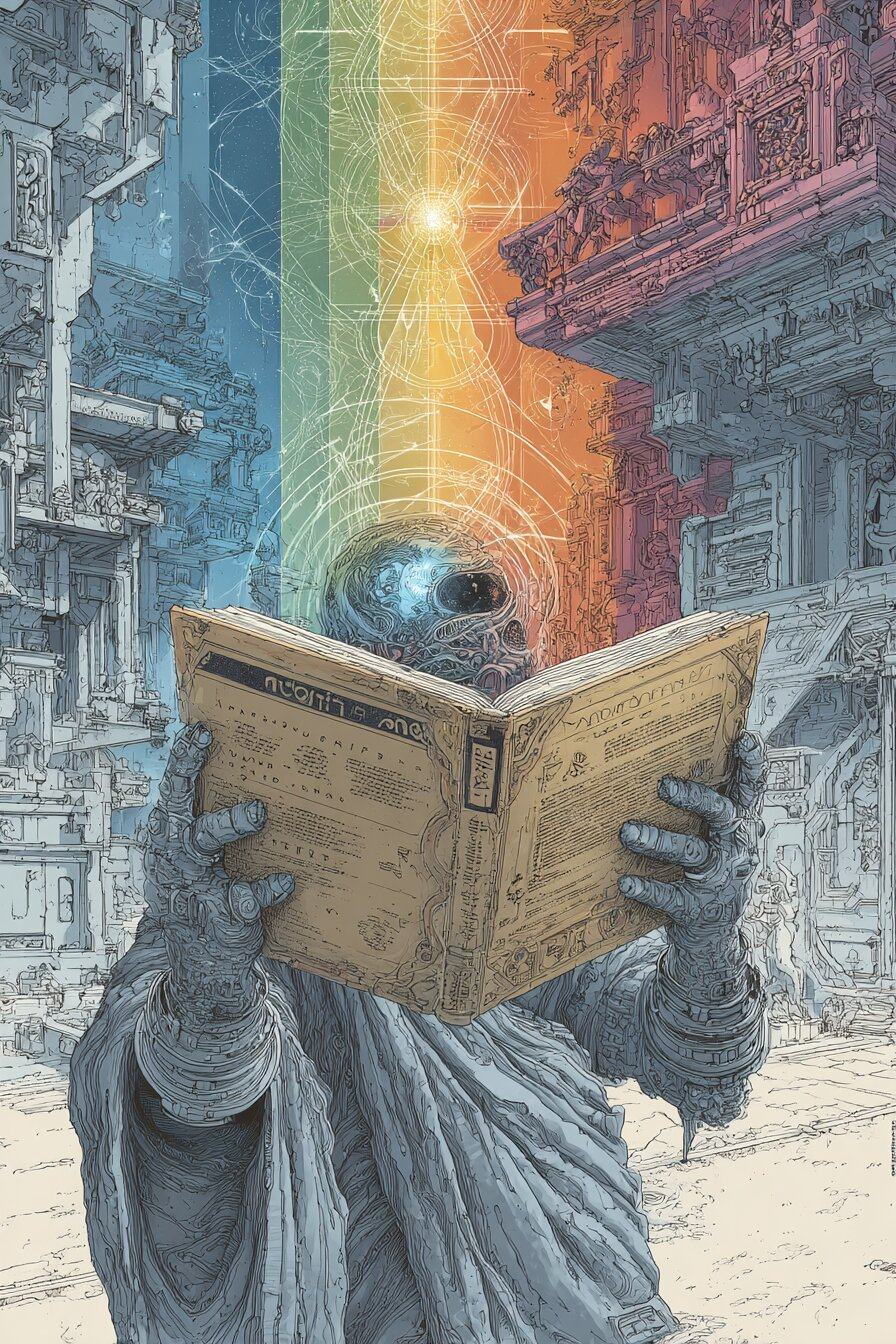
I am eternally grateful to these people who managed to get this information to me. Something deeper inside me knows that the messengers were on quests like mine, and that what we shared moved each of us along our own path, one receiving, one giving. It is as if cosmic opportunity knocks on your door and for a moment you are aware of its possibilities. Some of the authors and books were Carlos Castaneda, The Celestine Prophecy by James Redfield, The Alchemist by Paulo Coelho, and Terence McKenna.
And eventually, though I didn't know it then, I found the first clue that would lead me toward those experiences.
Music.
Specifically: electronic music.
I was sixteen when I first heard trance.
A friend played me a mixtape. Some DJ from Goa, India. Tracks with names I couldn't pronounce, rhythms that didn't follow any pattern I recognized.
And something in me responded. Immediately. Deeply.
This music felt like it was coming from the future. From some reality where the rules were different. Where consciousness wasn't confined to the prison of everyday thinking. Where something more was possible.
I started collecting tapes. Going to record stores in Athens that sold imports. Discovering this entire underground world of people who were making music for a different purpose. Not for radio or charts or mainstream success.
For trance. For transcendence. For the dance floor.
And that became my first tribe. The trance kids. The ones who didn't fit anywhere else either. Who felt the pull of something beyond the material world. Who used music and dance and sometimes drugs to access states of consciousness that school and church and family had failed to provide.
What happens on a dance floor, I worked out later, is not mystical at all if you look at it coldly enough. Take a human apart. Eighty percent water, a brain that runs on electricity, a skin to hold it in. Put a roomful of those in the dark with one beat and the skins stop mattering. One blob joins a bigger blob. At sixteen I only knew that I came out of those rooms with less of me, and did not miss it.
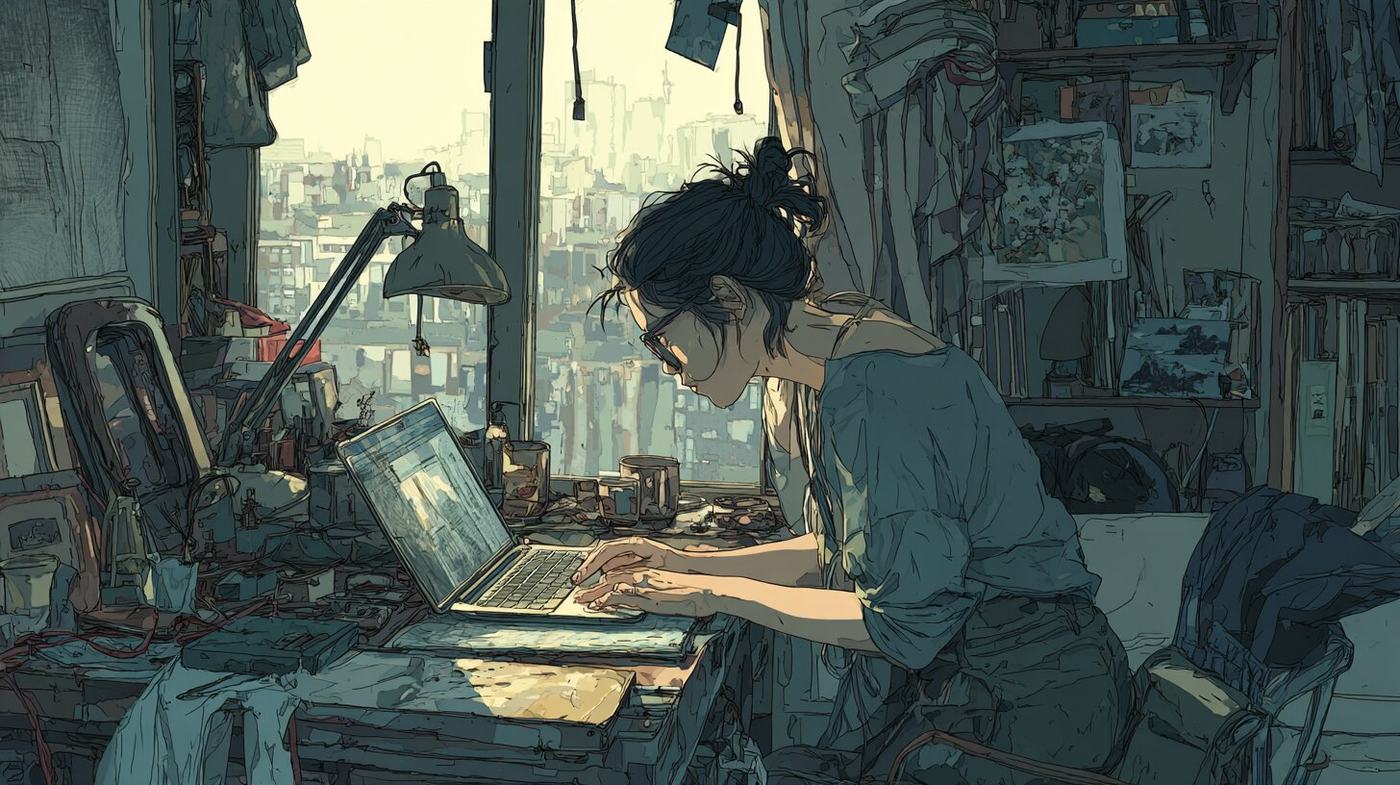
Akiko looks up from her typing.
“So you were always weird,” she says.
“Pretty much, yeah.”
“And you always knew you were weird.”
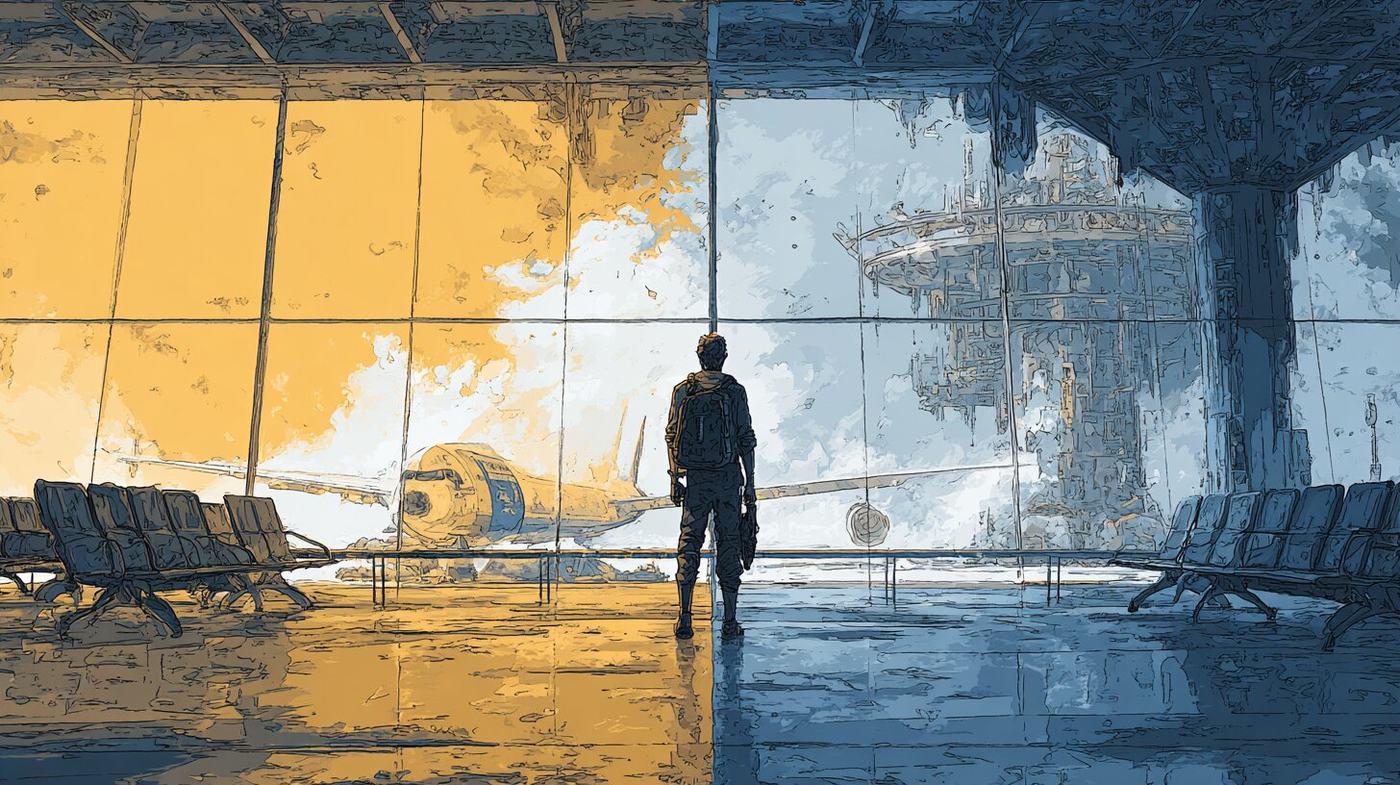
“I always knew I didn't fit. I didn't know what to do about it until much later.”
She nods. “That must have been lonely.”
“It was. It is.”
But sitting here now, after everything, I realize the loneliness was necessary.
Because if I'd fit perfectly into Greek society, I never would have left. Never would have gone to America for college. Never would have fallen in love with Cassie. Never would have had my heart broken. Never would have launched into the Odyssey that changed my life.
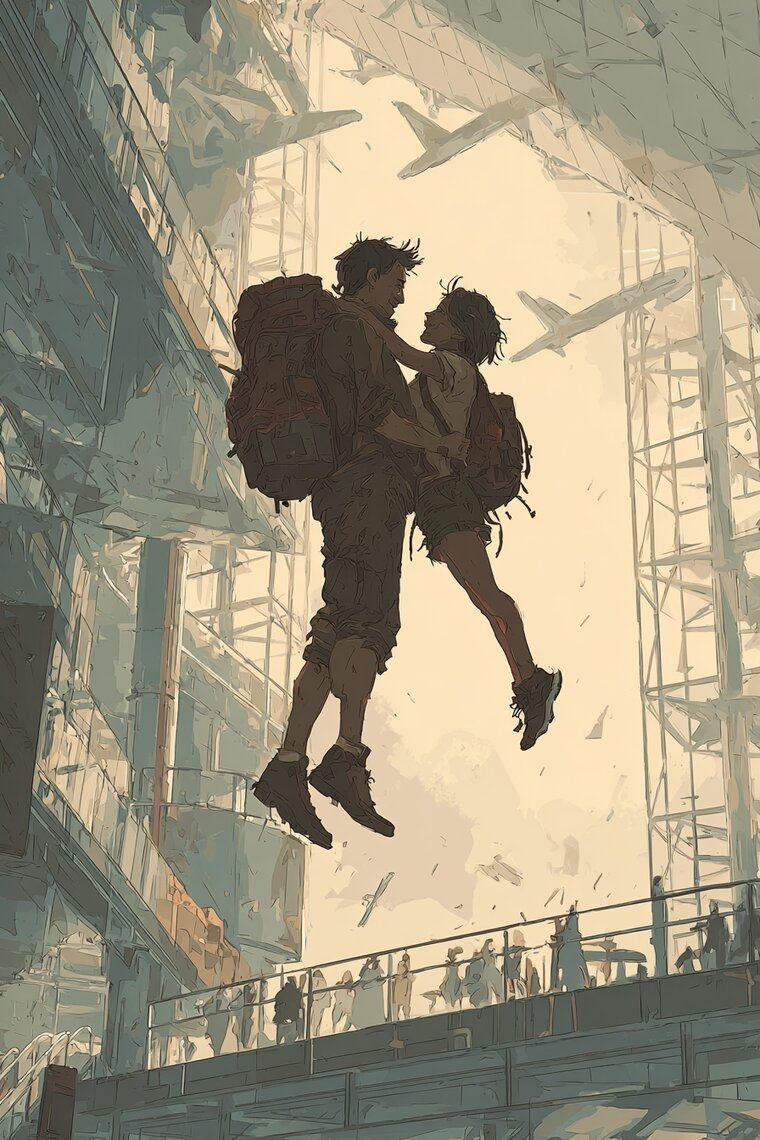
The outsider becomes the traveler.
The traveler becomes the seeker.
The seeker becomes the teacher.
But it starts with not fitting. With feeling like you're from some other world, some other timeline, some other reality.
And maybe you are.
Maybe we all are.
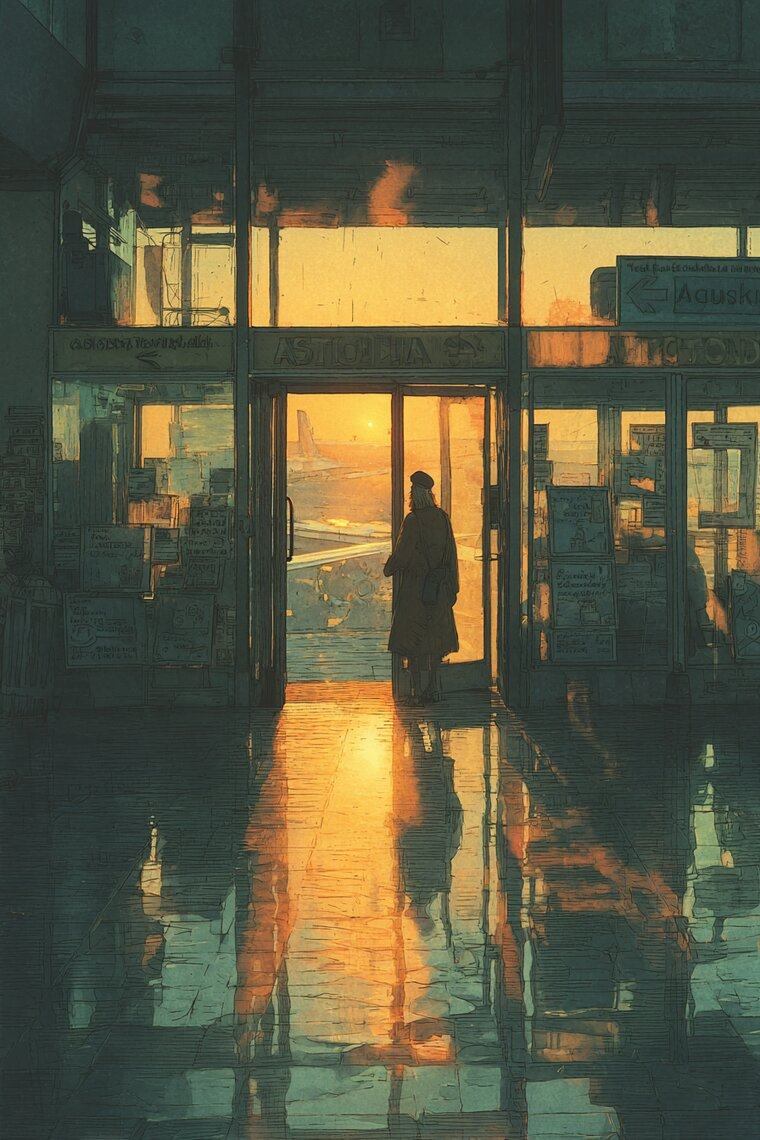
Maybe that's what being human is: being born into the material world while remembering, faintly, distantly, that we're from somewhere else.
And spending our whole lives trying to get back home.
Akiko closes her laptop.
“That's heavy for a childhood chapter,” she says.
“Yeah. But it's true.”
“So next time we'll talk about Paris? Your first trip?”
“Yeah. That's where it started getting weird.”
“Weirder than this?”
I laugh. “You have no idea.”
Outside the window, Avenue C is alive with sirens and voices and the constant hum of the city.
But in here, we're excavating the past. Trying to understand how a kid playing Game Boy in Athens became a man dictating his Odyssey in New York.
The thread is there. I can see it now.
Growing up digital while the world was still analog.
Growing up between worlds while everyone else seemed to have just one.
Growing up searching for something real while everything around me felt fake.
That kid in Athens, sitting by the window, wondering why he didn't fit,
He's the same person sitting here now.
Still searching. Still between worlds. Still trying to find the real beneath all the constructed.
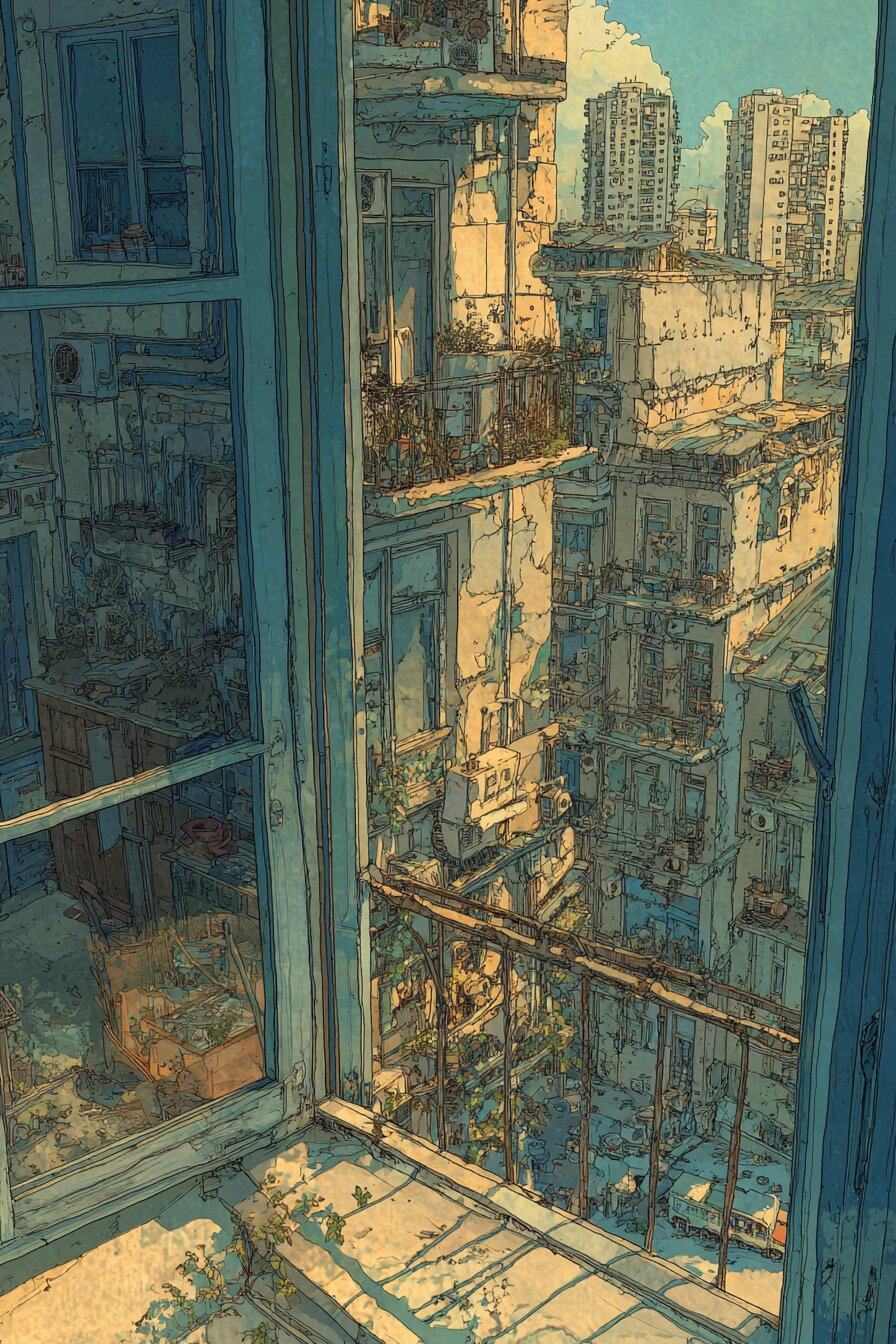
And it all started in Athens, with a kid who didn't fit.
Thank God I didn't fit.
Because if I had, I'd still be there. Comfortable. Numb. Asleep.
And I'd never have woken up.
Why We Dance
Interlude
Here is a story I came up with over the endless nights and days I danced around the fire.
Once upon a time a long, long time ago, actually at the very beginning of time... everything was quiet. Then, instantly the Universe expanded until Life emerged on this Pale Blue Dot we call “home”. When life evolved to the point where it could be aware of itself, in a cave somewhere in the dark of night and while the storm brewed outside, two primitive cave-people sat at the cave’s mouth, staring at the valley below drenched by the rain. In a moment of spontaneous inspiration or perhaps boredom, the larger one of the two grabbed two large stones in the palms of his hands and began to tap them together. Slowly but surely, the tapping of the rocks became a rhythm… a beat… a definition of time, mimicking that sound inside us, that internal clock that beats to the rhythm of life and reminds us we’re alive.
The shorter caveman, mesmerized by the repetitive rhythm, tic tic, tic, tic, tic, tic, grabbed two smaller stones in his hands and began to fit his beat in between the other. As they progressed, their beats were woven together until they became one, a joint rhythm in sync. That was the first time anyone had felt this new form of communication, that magical feeling one has when playing music together. Their minds, their hearts, and their perception of time were synchronized through the rhythm, through the beat, each one holding time in their own pattern, yet combined with the other in a new, superior and more complex rhythm. Ecstatic with their discovery, they played all through the night, experimenting with the limits of how to fold the sounds together while expressing their uniqueness through the cadence of their beat. The rain continued to pour as the vibrations from the cave's mouth echoed in the valley below.
In the dark of night, zoom out from the planet, into the cold quiet universe where life elsewhere has yet to be identified. Look back at the earth, as a beat spirals out from the cave, a synchronized vibration extends out into the universe for the first time; two humans collectively defined time, and within each beat, the intention: “I am here, I am aware of my existence, I define time, I am alive!” Through that minimal beat, a recording of our history, a ripple in the universe, a fingerprint, a footprint, a soulprint.
The cavemen experimented with different objects, tapping, hitting, banging, and they played until the early hours of dawn. The storm passed, the sun rose, and they decided to share their discovery with the rest of the tribe. With primitive gestures, grunts and groans, they demonstrated their new magical ability to keep rhythm with each other and communicate with sound. Shyly, each member of the tribe, fascinated and mesmerized by the performance, slowly found a stone, stick, or shell, a hollow piece of wood, a dry bean gourd with seeds, and gently tried to fit their own beat in this collective primitive drum circle that was just emerging for the first time.
Eventually, each instrument, each stone, stick, or berry branch, was chosen in a way that seemed to represent the personality of the person who had selected it. Adults and larger folk gravitated towards larger objects, while children, women, and the elders used items that were easier to handle. This made their beat and sound gentler, together weaving an auditory tapestry, each one contributing a thread, colored, and textured to represent them, retaining their identity but contributing to something bigger and more meaningful than the sum of all its parts.
In no time, that magic sense of communion felt by the two cavemen the night before was contagious. It extended to the entire group. Each person felt the other, from the inside, and together with their beat, the rhythm synchronized their primitive beings and made them feel connected as one like never before. Through the vibration of each beat, each sound encapsulated the echo of their soul, the personality of each of these members of this early clan. The collective beat was an acoustic metaphor. It was a manifestation of the vibration of the tribe's collective energy, as it was ritualistically organized for the first time. It represented the group’s identity, its unique view of the world, its understanding of the expression of itself in an abstract collective form that was choreographed spontaneously. Each member, like a droplet, vibrated with the sound, and the sound made each droplet's surface tension weaker, and the droplets got closer and closer, till they merged and became one big droplet pulsing and vibrating to the rhythm of their collective beat.
Overwhelmed by the experience, the clan tried to understand where the magic of this communication originated. What was it that allowed them to feel so close to one another by engaging in this magic of tapping things together in sync? They decided to conduct these magical gatherings at night so that they could concentrate on their rhythm and avoid distraction from the visual world and the things that they could see. A good time would be when the big round thing in the sky was full, and soon, on the full moon every month the tribe would gather around the fire and do this early ritual of beating things together in sync. The beats became complex, and grunts turned into chants, and breathing was synchronized. They felt as one, and the sonic flower they wove together blossomed under the full moon.
As the seasons changed, full moons came and went, and the ritual evolved as the tribe members embraced this new midnight stage around the fire. A member of the tribe, the scruffy one, the one who spent long hours in the forest picking wild berries, and had learned the magical properties of herbs and mushrooms… the early shaman character, he/she also attended these proto-ceremonies. As he watched the dance and listened to the beats, strange visions and ideas about his people enchanted his mind and heart. He noticed the dance of the tribesmen and tribes-women, the pitch of their chanting, the movement of their hips, the stamping of their feet. He saw that embedded within each of those movements, certain truths were revealed about their personalities. The movements hid truthful expressions, their characters and their true archetypal role. The early ceremony became a performance, a celebration of our humanness, a space and time to express and experiment with what it meant to be human. This early stage became the inspiration and fuel for stories, stories that would define that tribe. Stories that would become myths, legends, and would ultimately enrich the lives of these early ancestors with meaning, with culture, with history, with civilization.
This early ceremony around the fire, tapping in sync with each other is where it all began. Through the unique experience of unification through vibration and intention, and feeling connected, in sync with one’s clan; amplified through mind-altering substances, the profound was temporarily collectively accessed. Language, music, art, mythology, dance; all intertwined intimately at the root of civilization, being born, being brought into existence with these early rituals.
Over time this primitive ritual becomes the source of all culture, all memes, all myths and archetypal truths, a spring for civilization, the place where meaning is cemented into our collective human cultural heritage. Our music, our language, our art, our myths, our culture become expressions and derivatives of these proto-ceremonies and trickle down into everyday life, infusing the human experience with language, culture, and civilization…. The more primitive humans invested into the early rituals, the richer everyday life became. That first beat in the cave echoed through eternity, shaping our world, shaping our biology, and today your foot taps away, rhythmically to a tune playing on your laptop, and gives you pleasure.