
Chapter 12
Ecuador
When Flow Becomes Freefall
QUITO, ECUADOR, NOVEMBER 2001
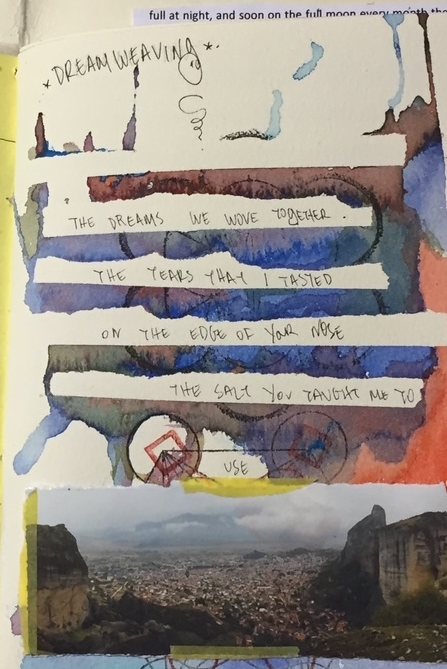
I had initially set out to do an independent project documenting eco-communities, shamanism, indigenous culture in a travel log format, but I found myself slowly getting caught up trying to document the synchronicities of everyday life. This proved to be futile since maybe certain things are not supposed to be documented; maybe the presence of a recording device interrupts the sacredness and fluidity of the process. Recording devices have the potential for reflection, and reflection many times causes doubt. ’Dance like nobody’s looking,’ a wise proverb says; self-consciousness makes us stumble in our dancing footsteps. So as I tried to document the fluidity of my dance through the Latin continent, I ended up like a dog chasing its tail, frustratingly decelerating the cycle of enthusiasm and the unraveling of my path.
It was so bizarre: I was in some of the remotest locations and yet I had the ability to feel so close to all these people just by entering an internet café. Instant messaging people simultaneously on three different continents, getting the appropriate information at the right time, meeting up with other travelers, sending notifications to others of your arrival, it was incredible! Every day I felt that information pulsated everywhere, and as long as I was aware of the cues, I could surf this predestined path that was uniquely my own. Yet it overlapped, crossed and affirmed others on similar paths; the World Wide Web became a medium through which we helped each other out. It was our cry for wisdom, our desperate cry: We Want Wisdom, systemic collaboration tailored to the individual’s archetypal needs. People helping each other out of sheer goodwill, trading information that instantly impacted their lives, and the very real choices in the forks of a 21st century traveler’s road.
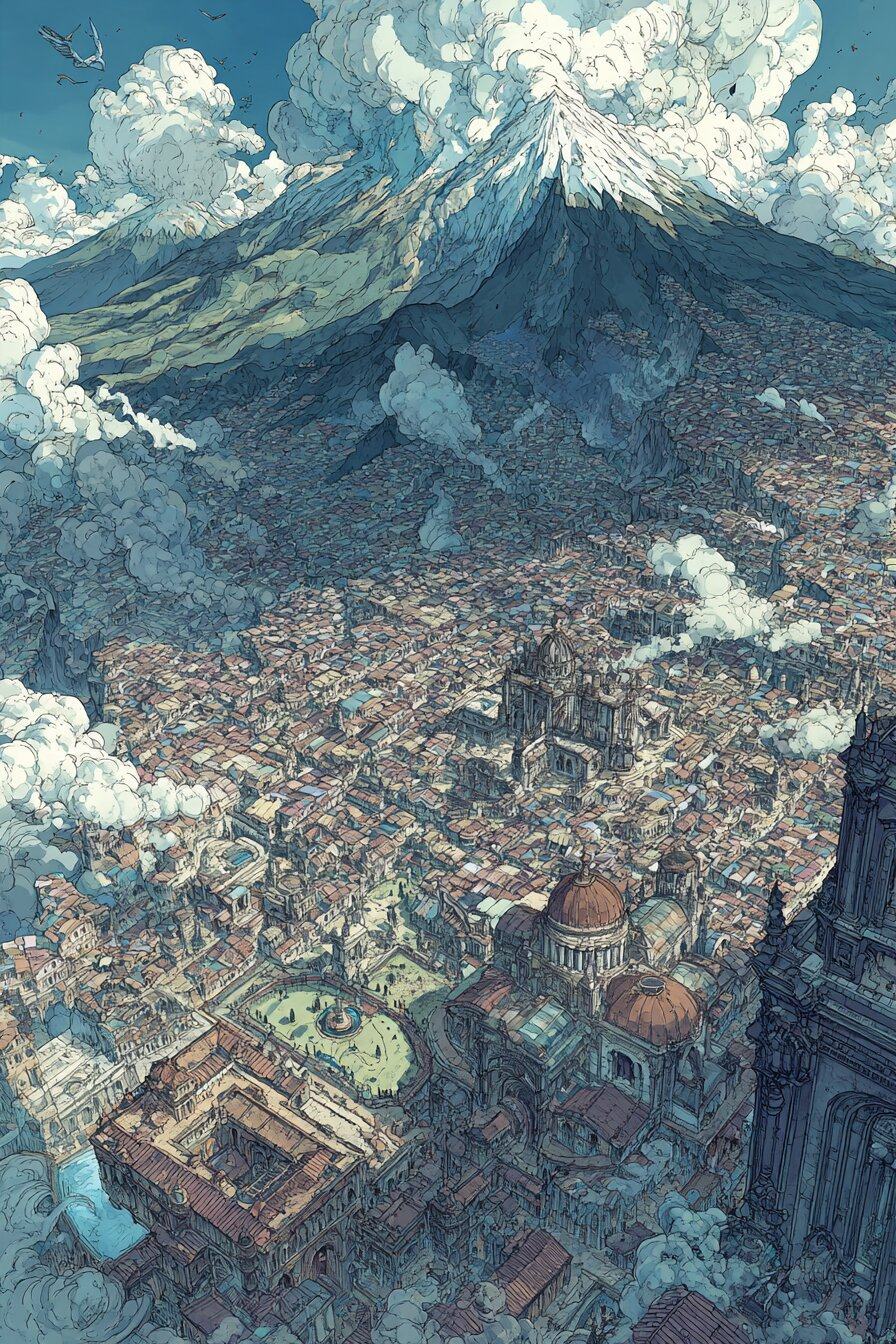
Panos and I decided to skip Colombia.
I'd met Panos in Costa Rica. We were both Greek-American, both in our mid-twenties, both carrying the swagger that comes from growing up between two cultures and not fully belonging to either. When we looked at the map plotting our route south, Colombia just felt too heavy. Cartel violence. Kidnappings. FARC guerrillas in the mountains. We'd heard the stories.
“Let's go straight to Ecuador,” Panos said. “We can always come back.”
We never did.
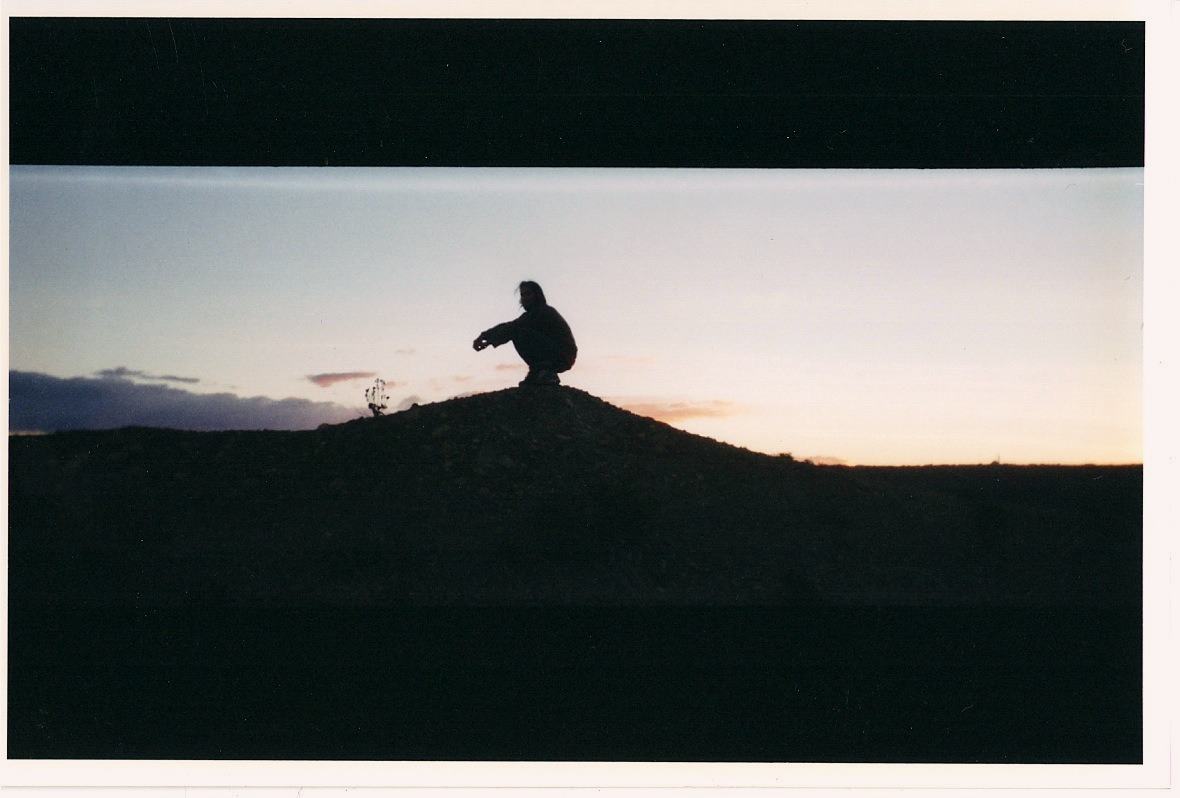
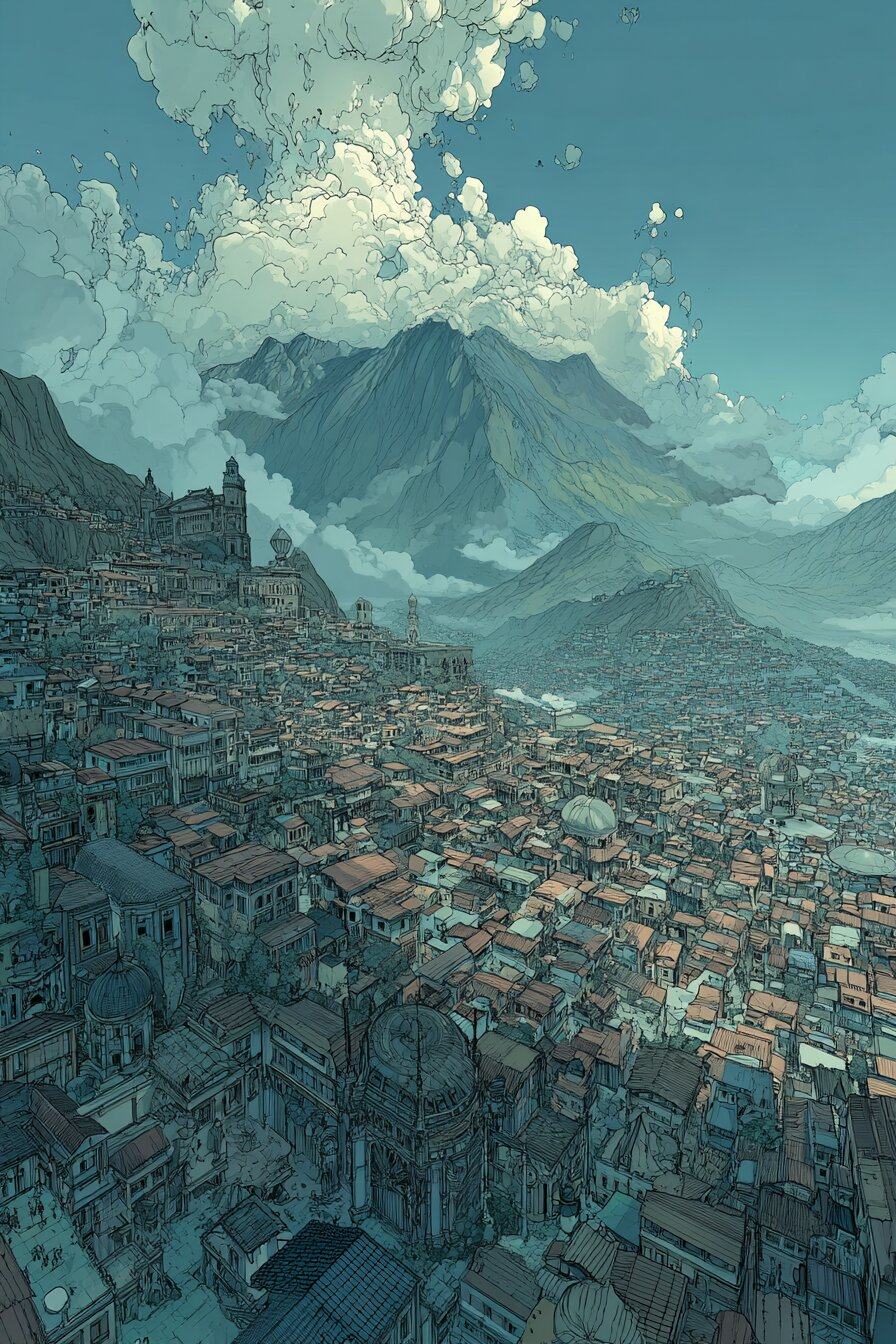
Quito sits at 9,350 feet, nestled in a valley between volcanic peaks. The altitude hits you immediately, thin air, shortness of breath, a lightness in your head that feels almost psychedelic. We dropped our bags at a hostel in the old colonial center and headed straight to a bar.
By midnight, we were drunk and restless. That particular kind of drunk where everything seems like a good idea.
“I want weed,” I announced.
Panos laughed. “Good luck finding it here.”
But I was already scanning the street outside. And that's when I saw him.
Long curly hair. Tattoos crawling up his arms. Pants so tight they might have been painted on. Chains hanging from his belt. He looked like a South American heavy metal fantasy, equal parts dangerous and ridiculous.
“That guy,” I said, pointing. “Let's ask that guy.”
Panos raised an eyebrow. “You sure?”
“Absolutely not.”
We followed him anyway.
The guy's name was Jorge. He was nineteen years old and had the kind of face that had already seen too much, angular, intense, with eyes that looked through you rather than at you.
“You want marijuana?” he said in broken English. “Come.”
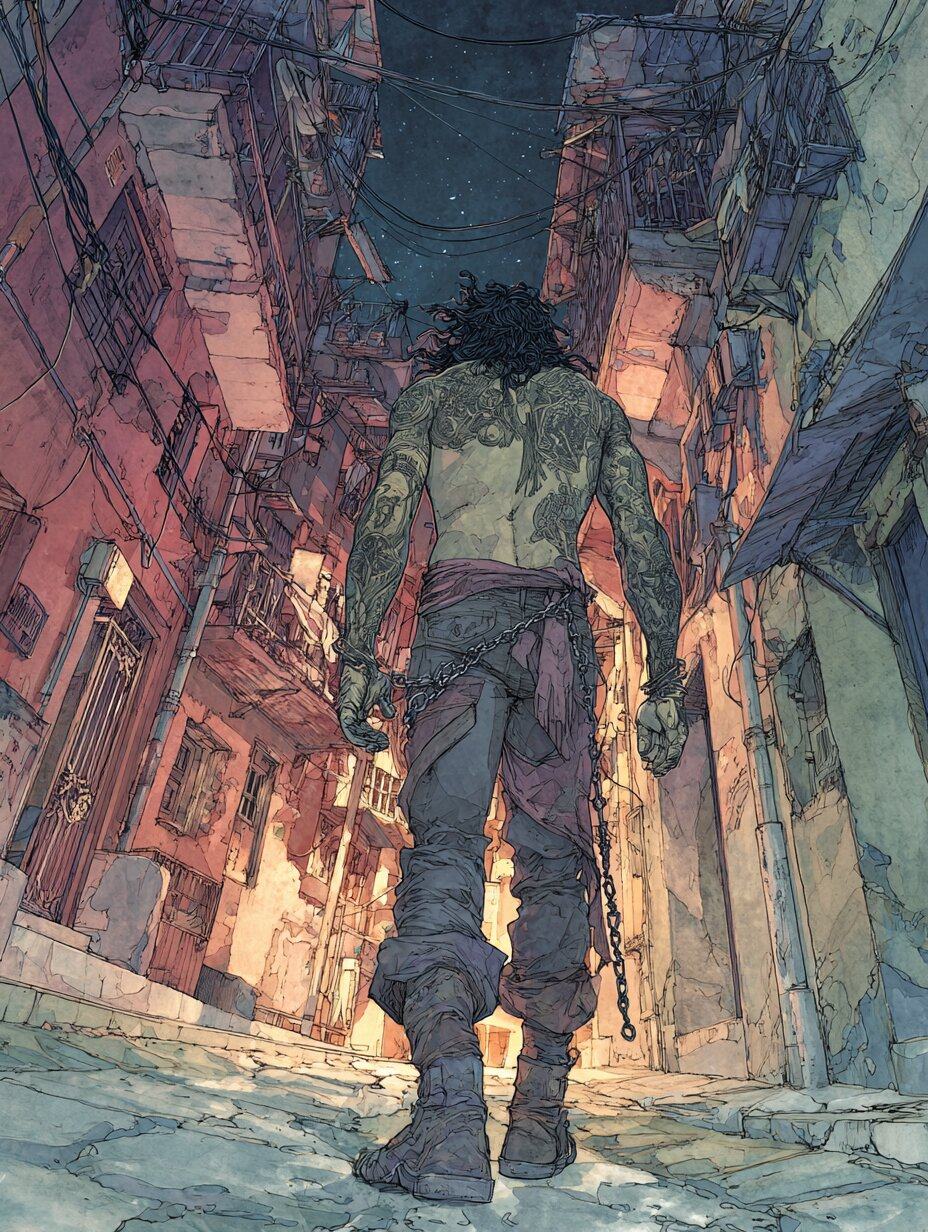
We walked through the center of Quito, down streets that got emptier with each block. There were cops on every corner, not the sleepy, corrupt cops you'd see in beach towns, but alert guys with Rottweilers straining at their leashes. Each intersection was lit by a single streetlight, casting pools of yellow in the darkness, and in each pool stood a cop with a dog.
Jorge walked straight toward one of them.
“Uh,” Panos muttered. “What the fuck is he doing?”
I was already thinking about exit routes. But Jorge just walked right up to the cop, leaned in close, and whispered something. The cop's hand moved to his pocket. He pulled out a small plastic bag and handed it to Jorge.
Jorge slipped him some bills.
Then he turned back to us and smiled.
“Come,” he said again.
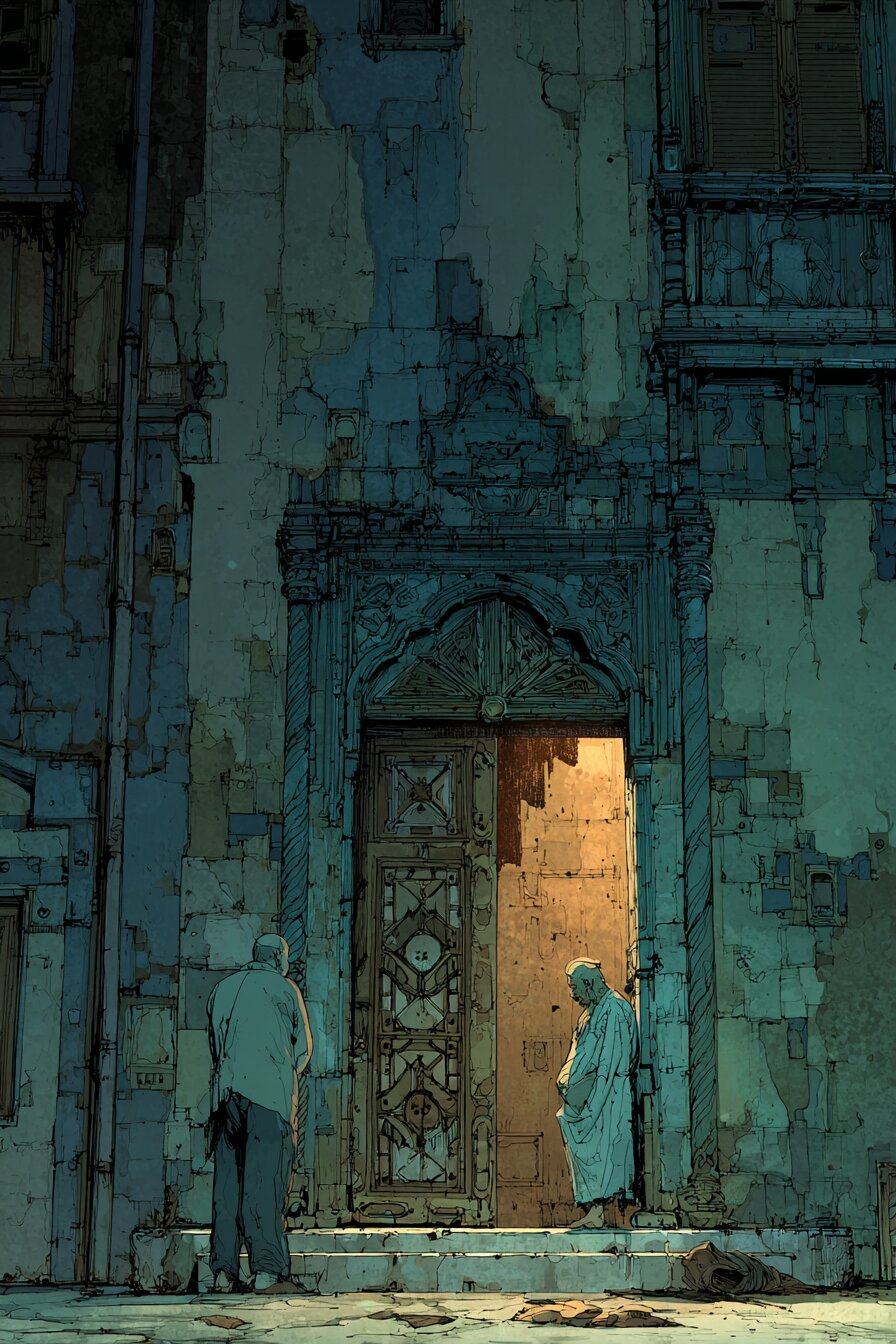
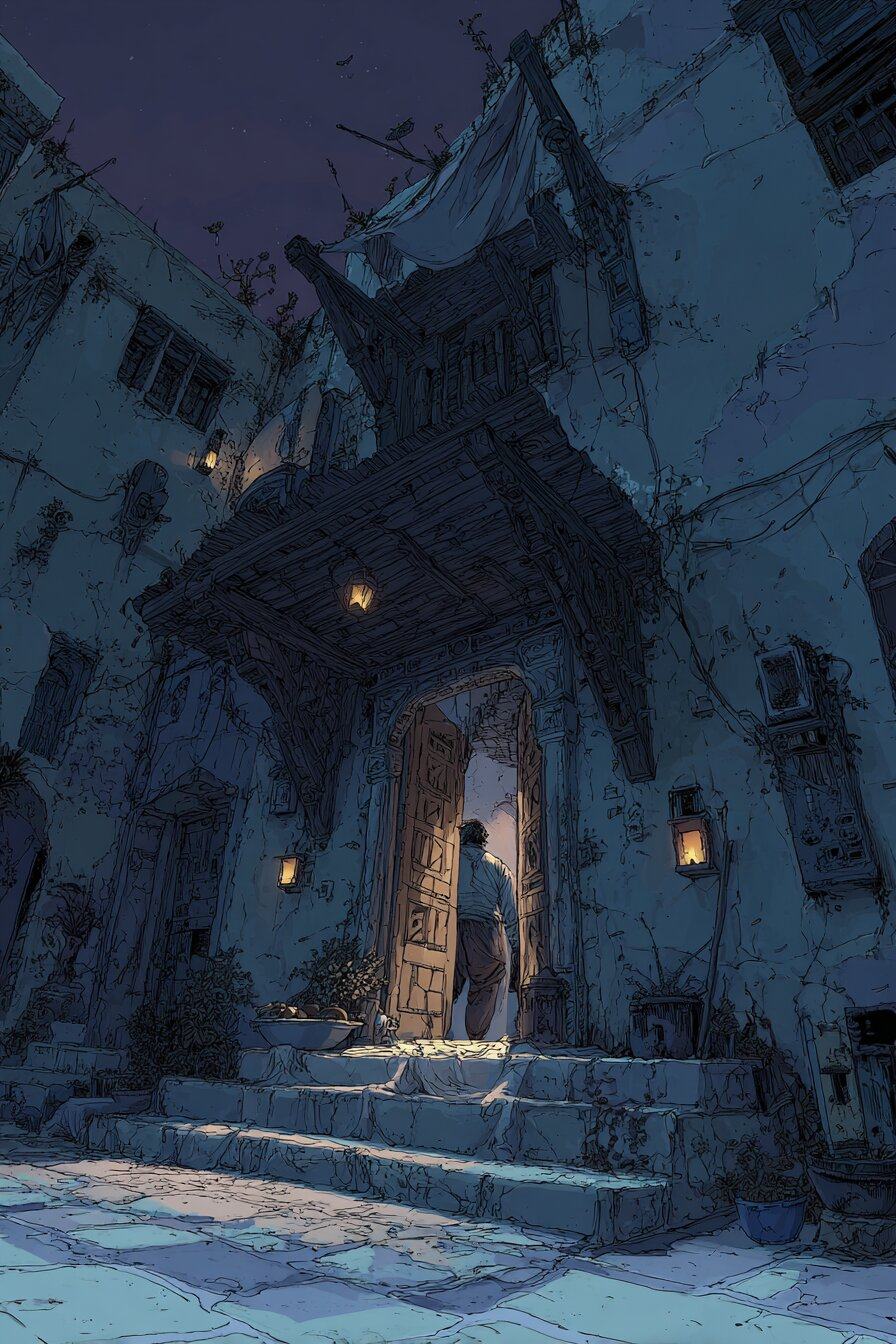
We followed him into a courtyard. At the far end was a door. Jorge started pounding on it, not knocking, pounding, like he was trying to wake the entire neighborhood. After what felt like an eternity, the door opened.
This guy wakes up, he's in his boxer shorts, and the guy's like, get out! The guy in a minute is out of the place. We go in and we sit down and then he starts telling us his story.

Jorge was from Colombia. Orphan. Lived on the streets since he was a kid. When he was fourteen, he and some older guys robbed a bank. The cops killed everyone except him. He went to jail. Two years later, during a riot, he broke out and fled across the border into Ecuador.
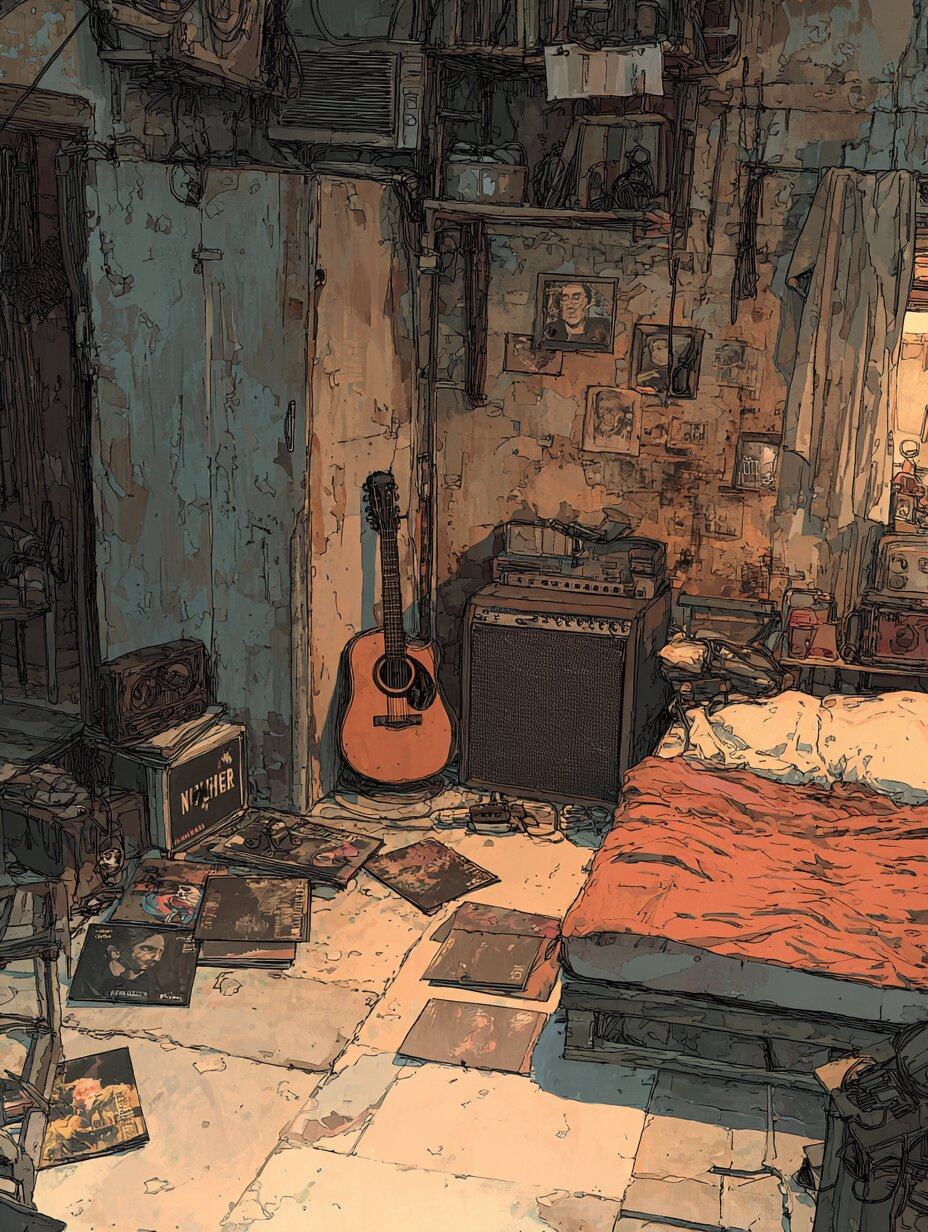
“I want to be musician,” he said, picking up the guitar and strumming a few chords. “Black Sabbath. You know Black Sabbath?”

“Of course,” I said.
He smiled, a genuine, childlike smile that momentarily broke through the hardness of his face.
We smoked. We talked. The conversation drifted between broken English and broken Spanish, filling in gaps with gestures and laughter. And then, casually, like he was offering us coffee, Jorge asked:
“You want to do some cocaine?”
I glanced at Panos. He glanced at me.
This was exactly the kind of thing I'd been trying to avoid. The slippery slope. The point where the adventure tips into something darker. But we were already here, already deep in this stranger's apartment at two in the morning, already complicit.
“Sure,” I said.
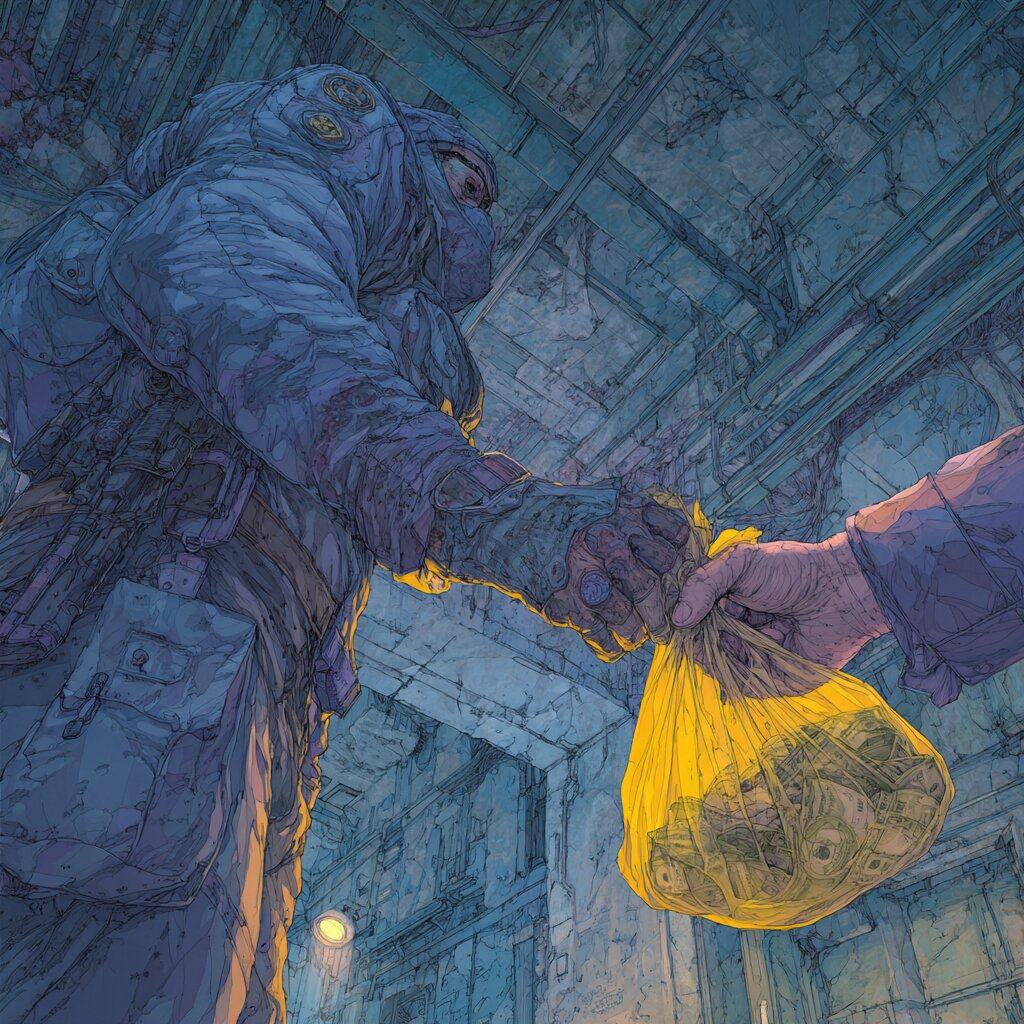
Jorge reached over the bed to a shelf and pulled down a plastic bag. Not a small bag. A big bag. Baseball-sized. Just sitting there like a bag of sugar.
He pinched some out between his fingers and snorted it straight, no ceremony, no ritual. Then he handed the bag to us.
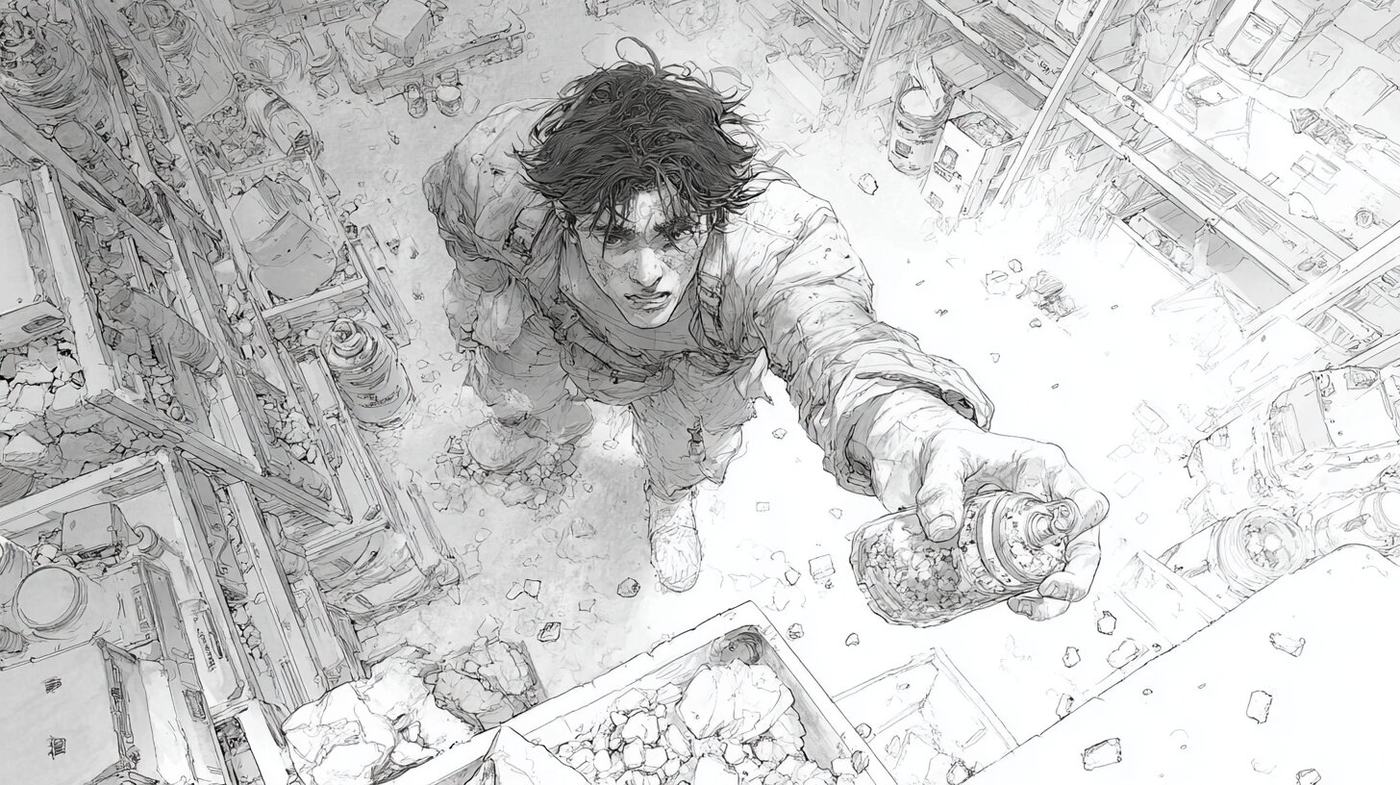
We did lines. More lines. The conversation got faster, more intense, spiraling through topics, music, violence, God, freedom, the meaning of suffering. Jorge talked about wanting to tour with a band, about his dream of playing stadiums. His eyes burned with this feverish intensity.
Mid-sentence, he stood up.
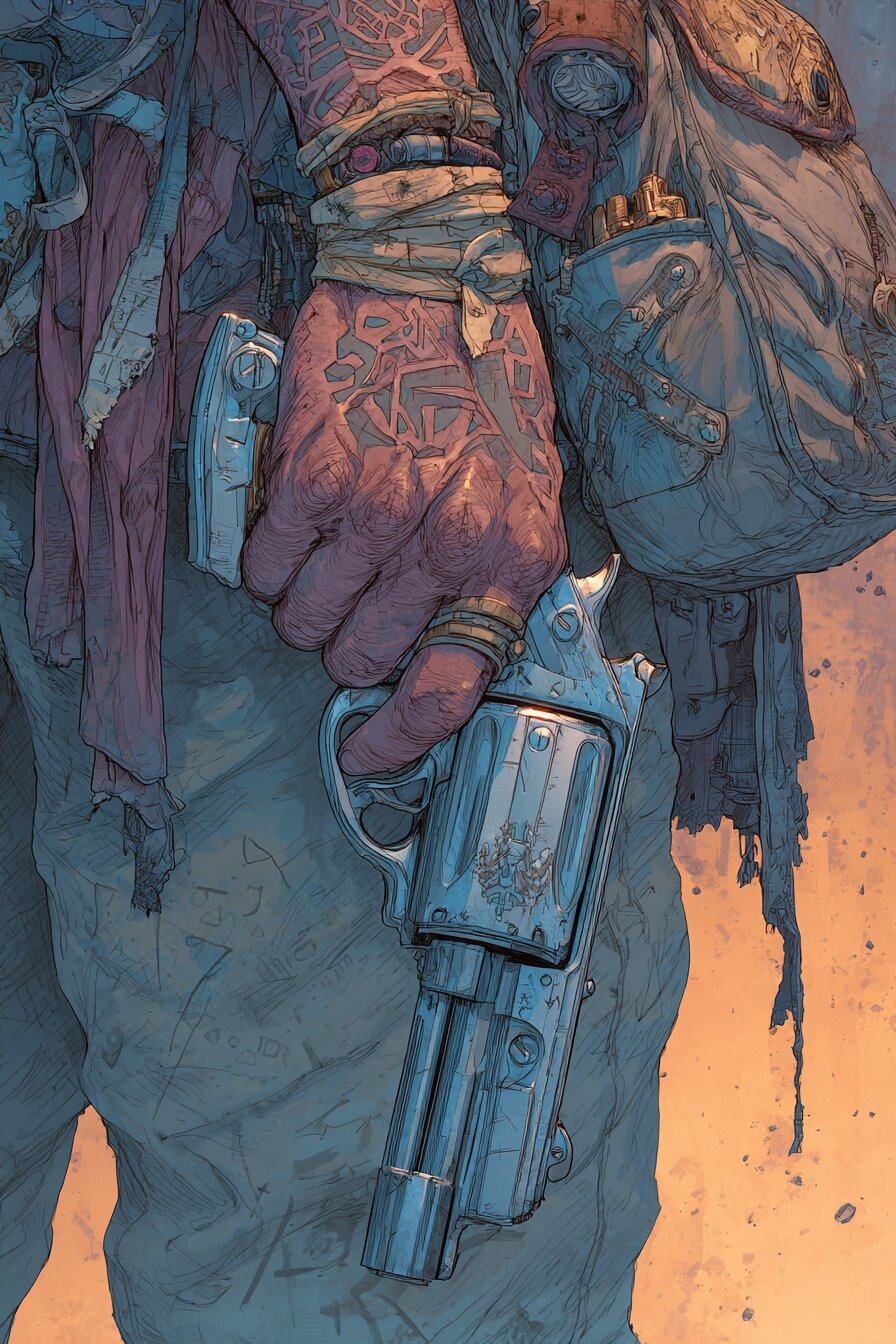
He walked to the window. Pulled a revolver out of his waistband. An old-school cowboy revolver, the kind you'd see in a Western.
“What the, ” Panos started.
Jorge pointed the gun out the window and fired.
The sound was deafening in the small room. My ears rang. I looked at the window and saw, bullet holes. Multiple bullet holes, clustered around the streetlight outside.
Jorge turned back to us, grinning.
Panos and I looked at each other.
That was our cue.
Akiko's typing stops completely. “He shoots out streetlights? Every night?”
“He does it every night. That's how he turns off the lights.”
“We should go,” I said, standing up too fast, the cocaine making everything sharp and jittery.
“Yeah,” Panos agreed. “Early morning tomorrow. Thanks for, uh, thanks.”

We stumbled back to the hostel as the sky was starting to lighten. I lay in my bunk, heart still racing, while Panos climbed into the bed above me.
“What the fuck just happened?” I whispered.
“Shut up,” Panos said. “I don't want to talk about it.”
The next morning, Panos made his position clear: “No way are we hanging out with that guy again. I'm going to check out the market.”
I agreed. Absolutely. We'd had our adventure. Time to move on.
But as we walked out of the hostel, Jorge appeared around the corner.
Panos looked at me, looked at Jorge, and made his decision.
“I'm out,” he said, and walked away.
Leaving me alone with Jorge.
“I need help,” Jorge said. “I'm moving my apartment today. Please. You help me?”
I should have said no. Every instinct I had was screaming at me to follow Panos to the safety of the tourist market. But something in Jorge's face, maybe loneliness, maybe desperation, made me pause.
“Okay,” I said. “But just for a few hours.”
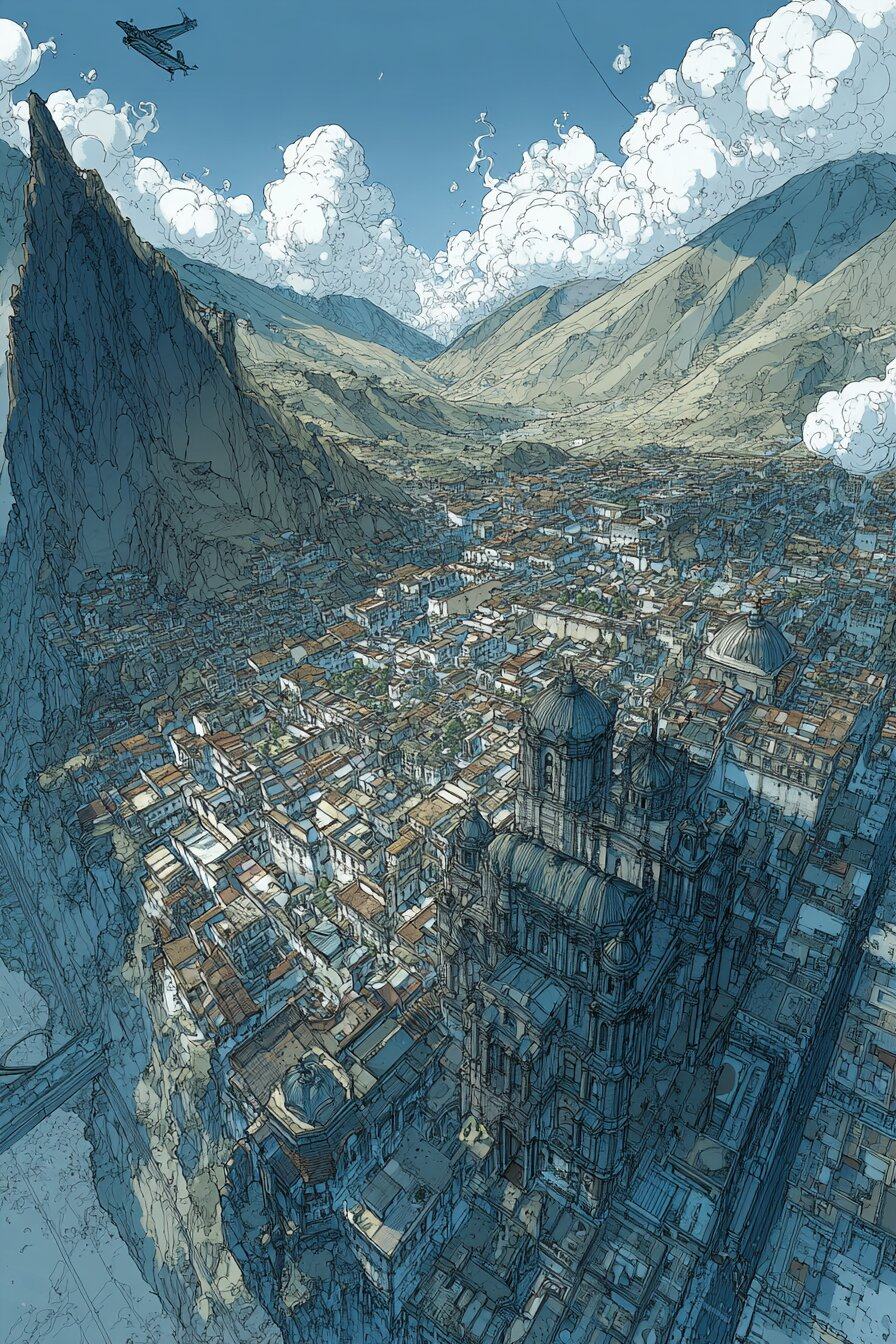
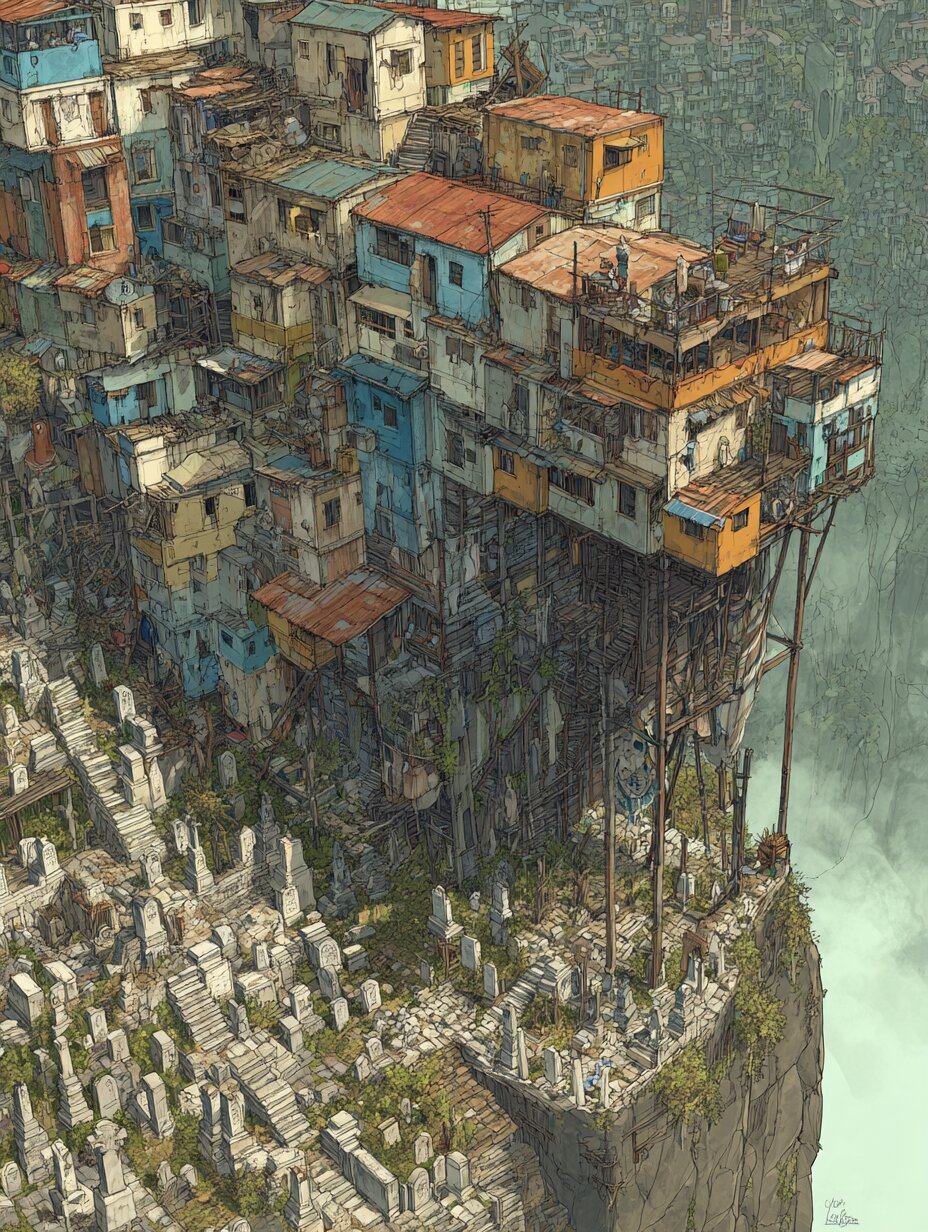
Quito sits in a valley, surrounded by mountains. On the eastern edge, the city climbs up the side of a cliff, and perched on that cliff are the favelas, shanty towns built on the edge of oblivion. The neighborhood was called Guapulo.
We took a cab to the top. The streets were dirt, the houses cobbled together from corrugated metal and cinder blocks. Dogs roamed in packs. Kids watched us from doorways.
Jorge's apartment was a long, narrow room with a massive window taking up one entire wall. The view looked directly down onto a graveyard, tombstones and crosses stretching out below us like a city of the dead.
His possessions were minimal. The guitar. The amp. Some boxes of records. All heavy metal. Black Sabbath, Iron Maiden, Metallica.
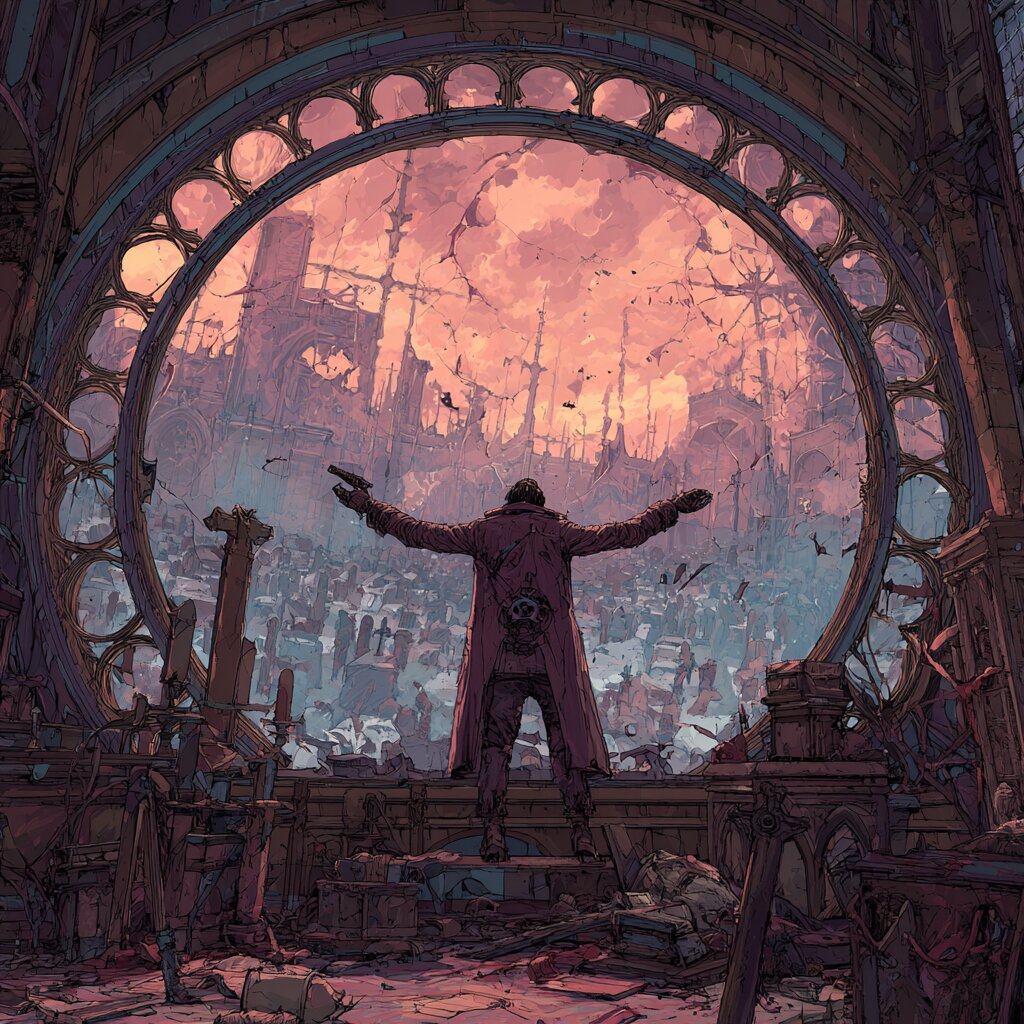
He stood at the window as the sun began to set, blasting death metal from a portable speaker. The music echoed across the graveyard.
“I am the Black Wizard!” he shouted, arms spread wide, the revolver tucked into his waistband.
I stood there holding his guitar, wondering what the hell I was doing with my life.
“Okay,” I said. “Let's move this stuff.”
We started hauling his things down the favela's steep streets. I was carrying the amp, sweating in the altitude, when Jorge turned to me.
“Here,” he said, pulling the revolver from his waistband. “Hold this for me.”
He handed me the gun.
I stood there, frozen, this cold piece of metal in my hand. I was wearing baggy hippie pants, drawstring waist, no belt, and when I tucked the gun into my waistband, it stuck out at an angle, visible to anyone who looked.
Where are we going? Is this even your stuff? What the fuck are we doing?
“Don't worry,” Jorge said, seeing my expression. “Is okay.”
We kept walking.
Halfway down the hill, a car came racing up toward us. A jeep. Jorge stepped into the middle of the road, arms spread, forcing it to stop.
The driver's window rolled down. Inside were two teenagers, maybe sixteen and eighteen, a boy and a girl. They had that same wild, desperate look that Jorge had. The kind of look that said they'd already seen more of life's dark side than most people see in a lifetime.
“My friends!” Jorge said. “They give us ride.”
We loaded everything into the back of the jeep. I climbed in, the gun still tucked awkwardly in my waistband.
The driver pulled out a golden pipe, a miniature Incan chillum, ornate and beautiful. He filled it with white powder and lit it.
Cocaine. He was freebasing cocaine.
While driving.
The jeep lurched forward. The driver steered with one hand, held the pipe to his lips with the other, and accelerated up the winding mountain road. The music, more death metal, blasted from the speakers. The girl in the passenger seat was laughing, head thrown back, utterly unconcerned.
I gripped the door handle. My heart was pounding. The gun was digging into my hip. We didn't even know if the stuff was ours. We didn't know where we were going. We didn't know anything.
“Whoa, stop, stop. We need to stop. I need to get out. This is crazy.”
The jeep screeched to a stop.
I tumbled out onto the pavement, desperate for solid ground.
The gun fell out of my waistband and clattered onto the street.
I looked down at it.
Then I looked up.
We were parked directly in front of a building with a sign: POLICIA.
The main police station in Quito.
Everything slowed down. The noise from the jeep faded. I could hear my own heartbeat in my ears.
I bent down, picked up the gun, tossed it into the backseat of the jeep, slammed the door, and ran.
I didn't look back. I just ran, through the streets, past startled pedestrians, around corners, until my lungs were burning and I was sure I'd put enough distance between myself and that fucking jeep.
Finally, I stopped in a small plaza. Sat on a bench. Put my head in my hands.
And started laughing.
Not because it was funny. But because I'd just come within inches of spending the rest of my life in an Ecuadorian prison, and somehow, impossibly, I hadn't.
Later that night, back at the hostel, I wrote in my journal.
I'd been riding the flow for months now. Following synchronicities. Trusting the path. Saying yes to every strange opportunity that presented itself. And it had worked, it had led me to incredible experiences, profound teachers, moments of genuine magic.
But somewhere in Ecuador, I'd crossed a line.
“That's the Ecuador story,” I say. “Jorge, the gun, the jeep. Riding the flow until I crossed a line.”
“What is it about?” Akiko asks.
I tell Akiko what the story is about. Getting too comfortable and too crazy with the flow. Knowing when to quit before a crazy wave comes and crashes over you.
“Part of the flow is caution,” Akiko says.
There's a difference between surrendering to the flow and surrendering your judgment. Between trusting the universe and being reckless. Between courage and stupidity.
Jorge wanted the stadium. He had the guitar, the amp, the records, a bag of cocaine the size of a baseball, and the one thing he could not stand was the streetlight.
How do you pursue your archetype and individuality without letting the ego go to your head as you attain the mastery? How is it that a martial artist attains that mastery and doesn't want to go beat everyone up? How do you attain your excellence and maintain your humility? How do you become the humble warrior?
I'd learned the lesson. Barely. Just before getting burned.
The next morning, I found Panos at a cafe, drinking coffee and reading a guidebook.
“You good?” he asked.
“Yeah,” I said. “I'm good.”
“We leaving Quito?”
“Yeah. Today.”
He nodded, didn't ask questions.
We caught a bus south toward the coast. As the city disappeared behind us, I felt the weight lift. We were back on track. Back in the flow, but this time, with a little more caution.
Panos and I parted ways on the Pacific coast. He was heading to Brazil, chasing the summer and the parties in Florianopolis. I was heading deeper, east, into the jungle, toward the Amazon, toward the ayahuasca ceremony I'd been hearing whispers about since my time at Solstice Grove.
“You sure about this?” Panos asked as we said goodbye.
“No,” I said. “But that's kind of the point.”
I found Peter in Lima. The same Peter I'd left at breakfast in Puerto Viejo without a goodbye. Within a day, we'd made the decision: Iquitos. The jungle. The vine.
The journey took eight days. A bus across the Andes, those impossible mountains, roads carved into cliff faces, buses teetering over thousand-foot drops. Then down the eastern slopes into the Amazon basin, where the air got thick and the green swallowed everything.
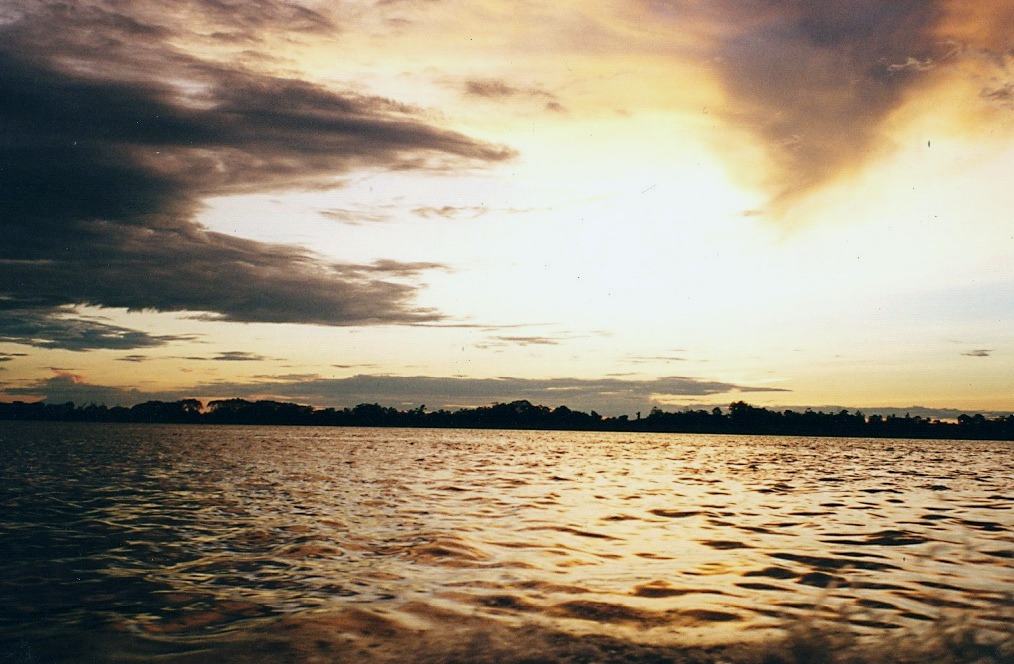
And then, finally, the boat.
We floated down the Amazon River, watching the jungle close in around us. The hum of the motor. The sticky heat. The sense that we were traveling not just through space but through time, back toward something ancient that was waiting for us in Iquitos.
I was ready.
Or at least, I thought I was.