
Chapter 14
Brazil
Love and Not Wanting to Be Loved
FLORIANOPOLIS, BRAZIL, FEBRUARY 2002
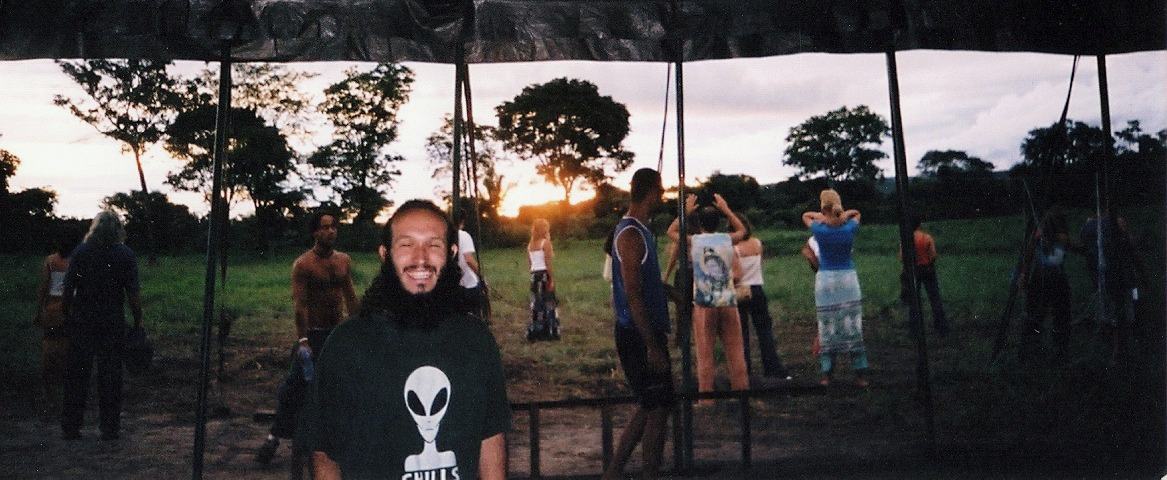
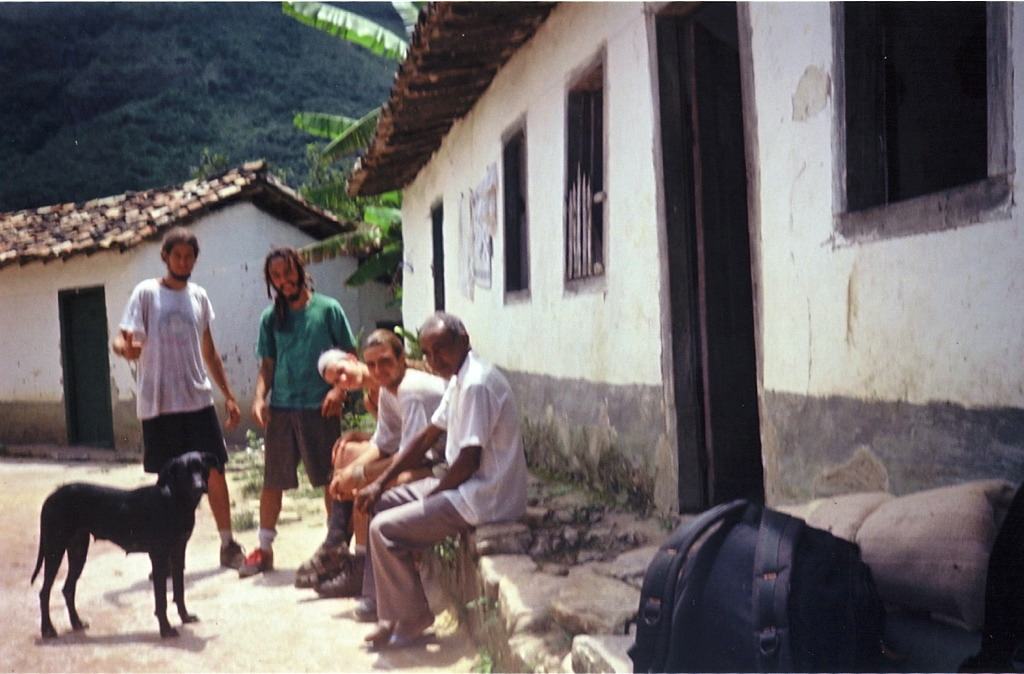
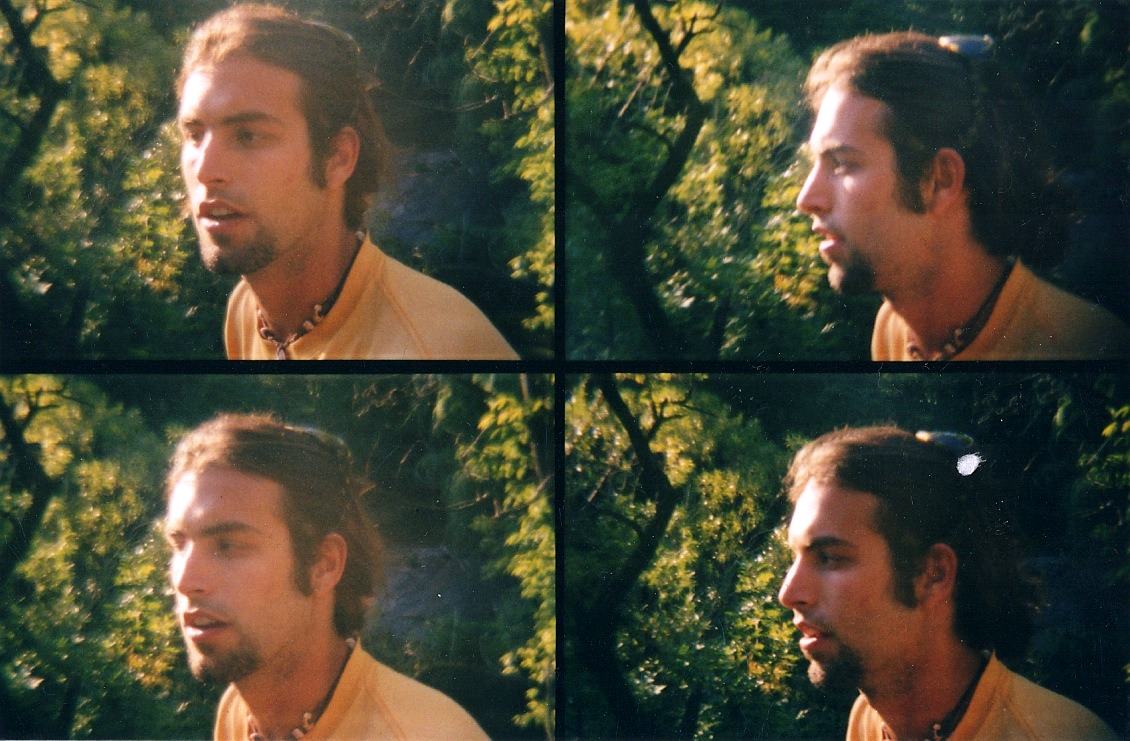
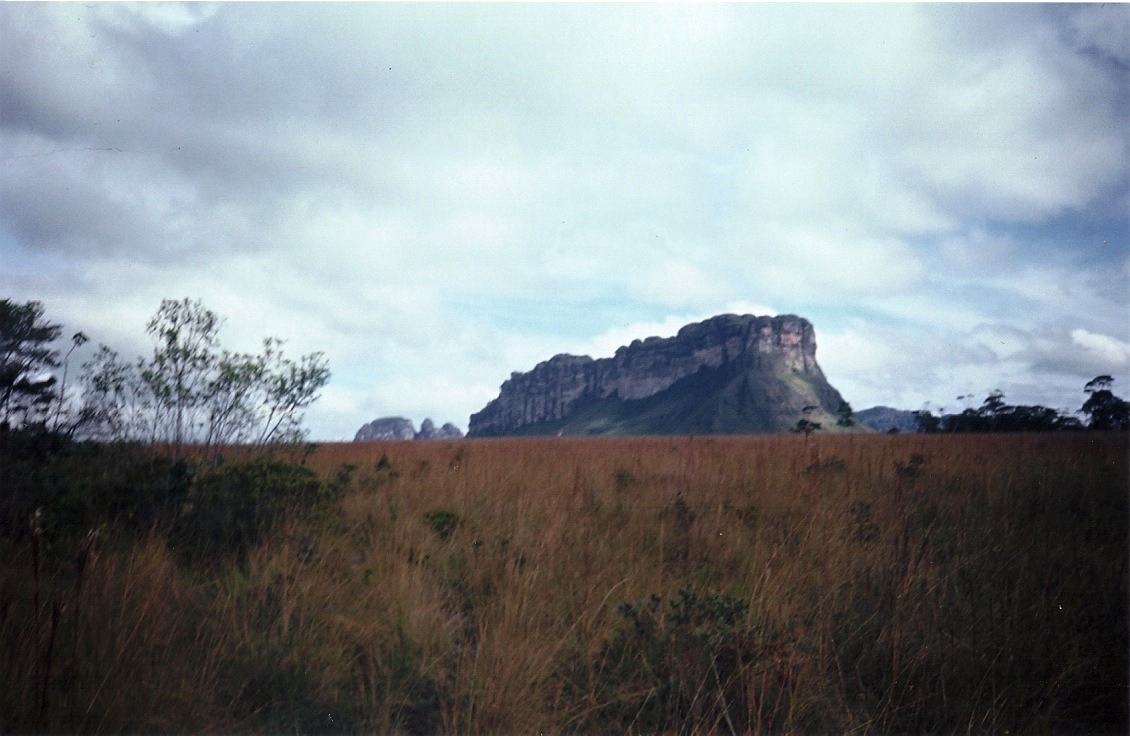
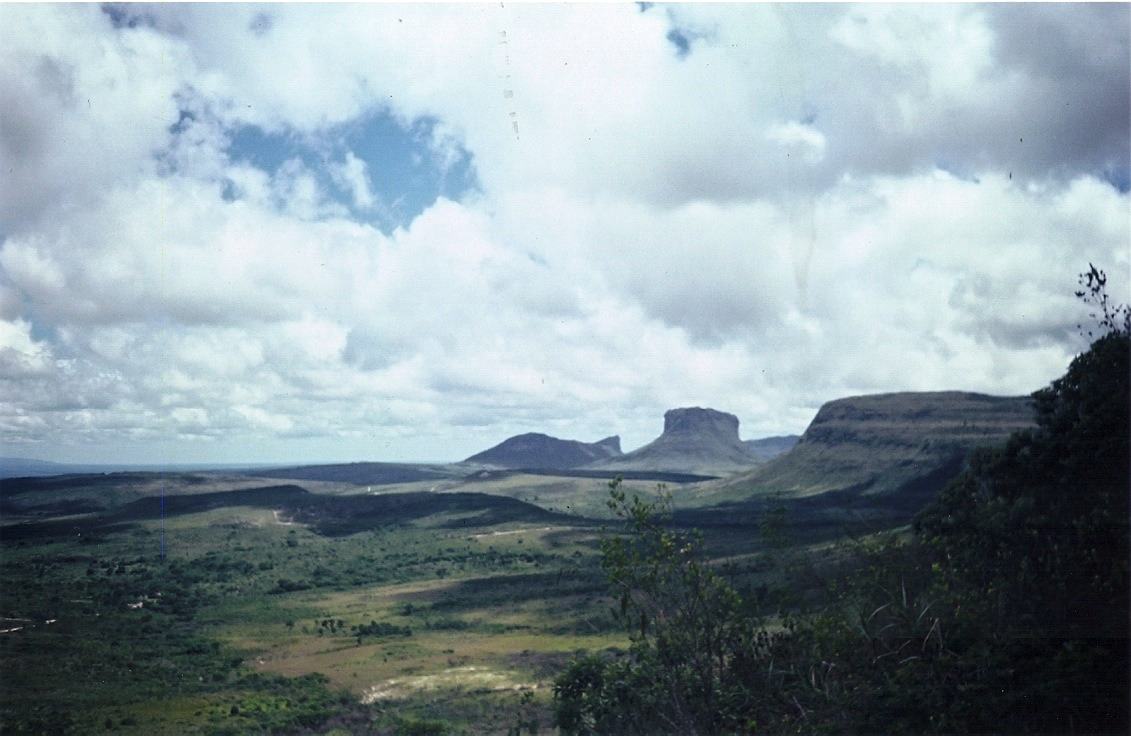
Before Florianopolis there was Trancoso. In her letters my sister Sophia had asked if she could come and find me, maybe Christmas, maybe New Year's. She came. She flew to Brazil in the middle of January, to Trancoso, on the coast of Bahia. She slipped at the airport on arrival and sprained her ankle. So for the whole week she was there she could not dance and she could not party. That was her visit. On the Trancoso tape another filmmaker asks why I am filming.
I also make videos for the internet. I'm making this for an internet project. I started in Mexico. I go to all Mayan ruins. I have footage of Mayan ruins. Guatemala, all of Central America. Ayahuasca ceremonies. I want to make all the connections. And put on the internet small. 20 seconds, 30 seconds.
Then I went south.
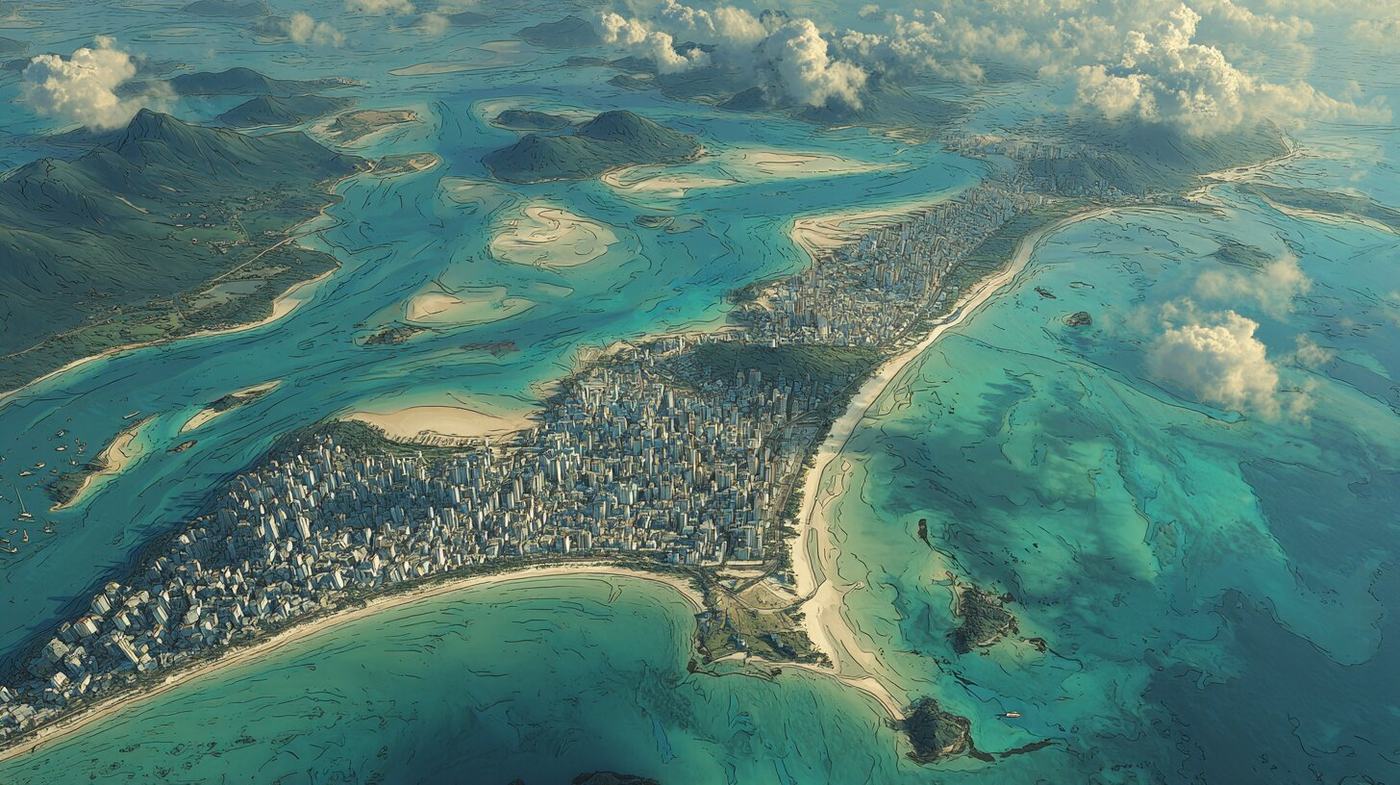
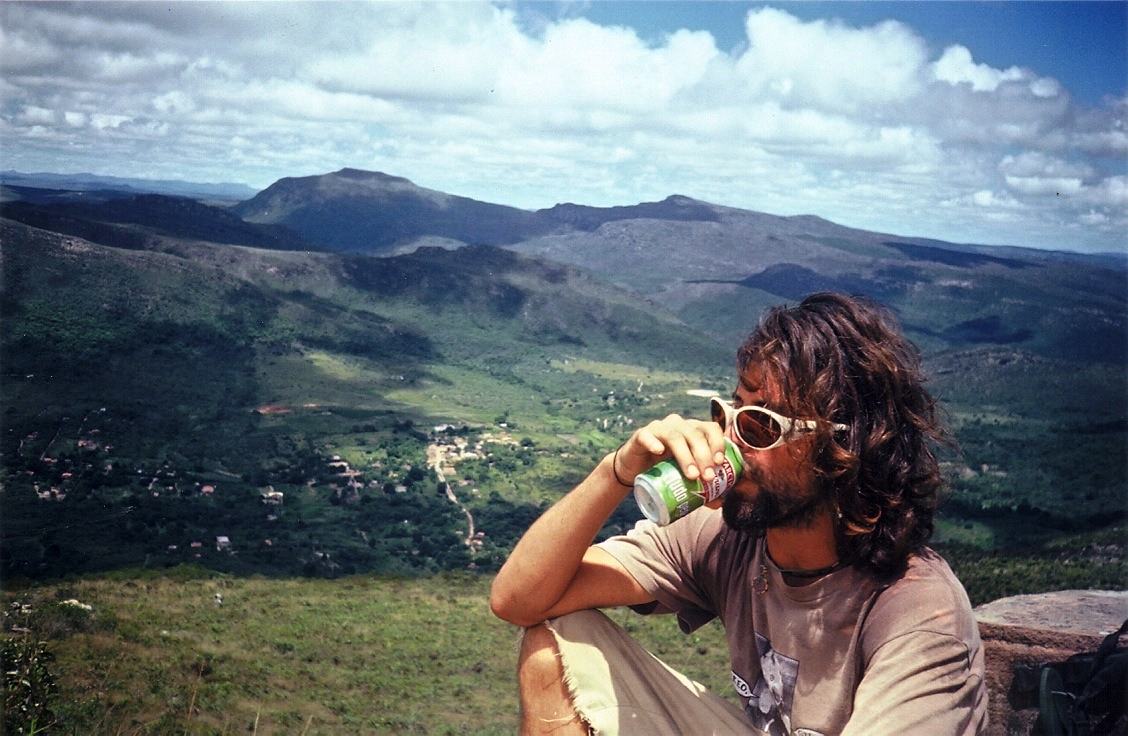
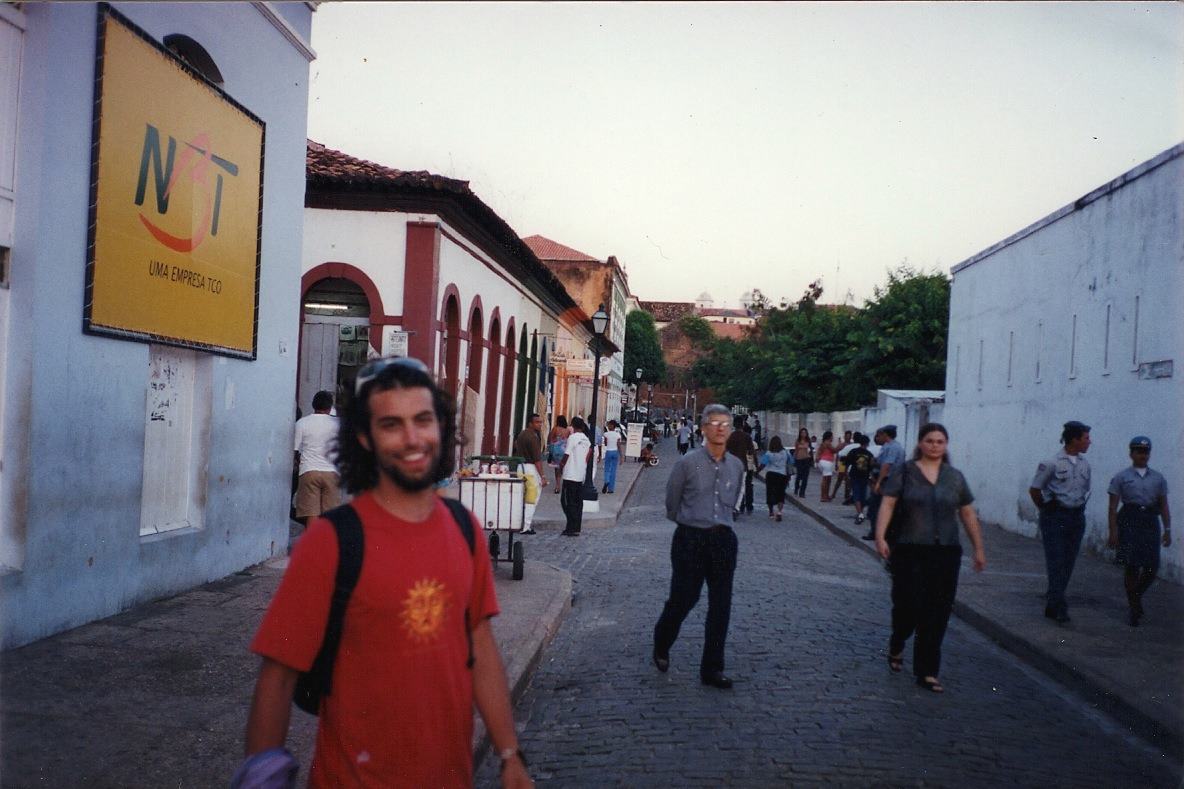
I arrived in Florianopolis in early February 2002, at the tail end of the South American summer. The city sits on an island off Brazil's southern coast, half urban sprawl, half pristine beaches that curve like parentheses around turquoise water.
I thought I'd figured it out.
I was wrong.
The hostel in Floripa was run by a French guy named Luc who'd been there so long he'd forgotten he was supposed to leave. The kind of place where people showed up for three days and stayed for three months. Everyone spoke at least three languages. Everyone had a story. Everyone was running from something or toward something, usually both.
I'd planned to stay a week, maybe two. Just long enough to rest, hit the beaches, maybe catch some of the Carnival energy that was building across Brazil.
That was before I met Luciana.
She was Brazilian but didn't look it. Or rather, she looked like the Brazil nobody tells you about, the European settler Brazil, the German immigrants who colonized the south, the blonde Brazilians who break every stereotype Americans have about what Brazilians look like.
Twenty-three years old. Medical student from Porto Alegre, taking a break before her final year. Fluent in Portuguese, Spanish, English, and German. She played classical guitar and could argue about Nietzsche in three languages.
And she had this laugh that made you want to say ridiculous things just to hear it again.

We met on my second night at the hostel. A group of us were drinking caipirinhas on the rooftop terrace, watching the sun set over the bay. Someone had a guitar. Someone else had weed. The conversation bounced between languages like a volleyball game where everyone kept changing the rules.
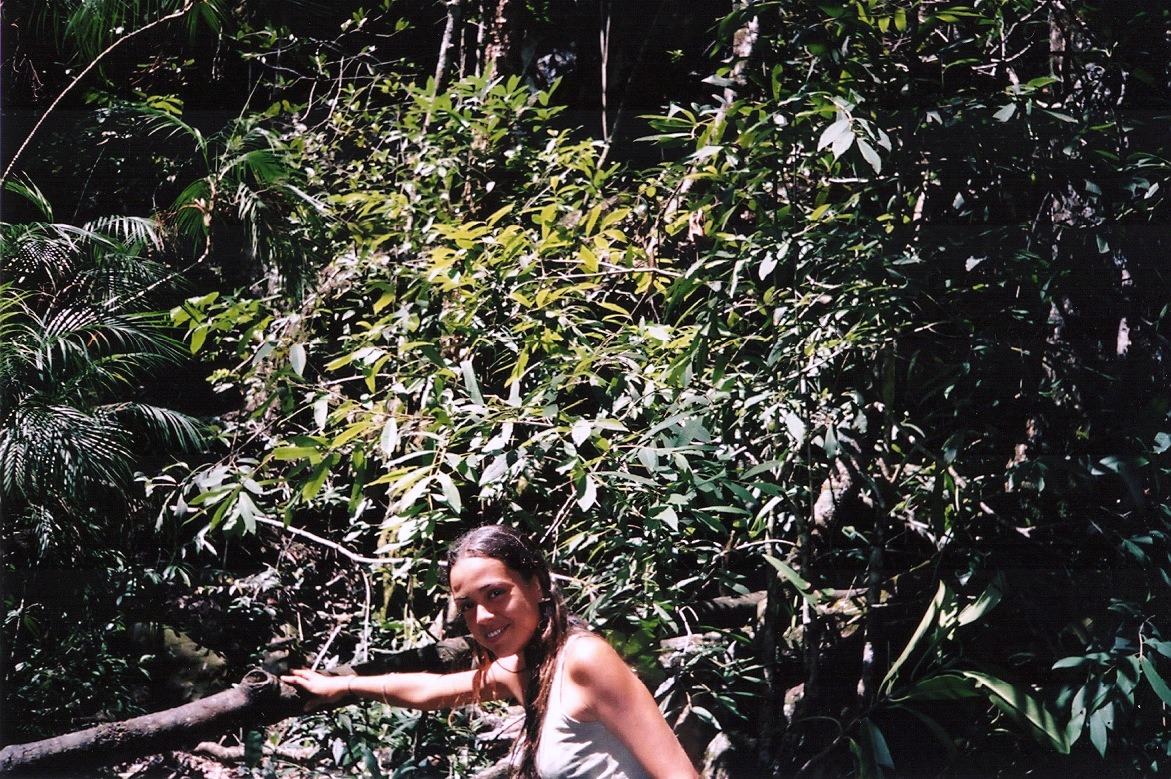
She was sitting across the circle from me, and I noticed her because she wasn't trying to be noticed. While everyone else performed their travel stories, the usual competition of who'd been to the most dangerous place, who'd taken the craziest drugs, who'd had the most spiritual awakening, she just listened. Smiled at the right moments. Asked questions that made people talk more than they'd planned to.
Someone asked me where I'd been, and I started talking about Peru, about the vine in Iquitos, about the ceremony that hadn't given me a roadmap and had given me a mirror instead.
When I finished, there was the usual moment of silence. The moment where people decide if you're profound or pretentious.
Luciana broke it.
“So you're learning to trust the flow,” she said. Not a question. A statement.
“Yeah,” I said. “I'm trying.”
“That must be hard,” she said. “After being hurt.”
I hadn't mentioned Cassie. Hadn't mentioned the betrayal.
“How did you know, ”
“You have the eyes of someone trying to trust again,” she said. “It's different from someone who never lost it.”
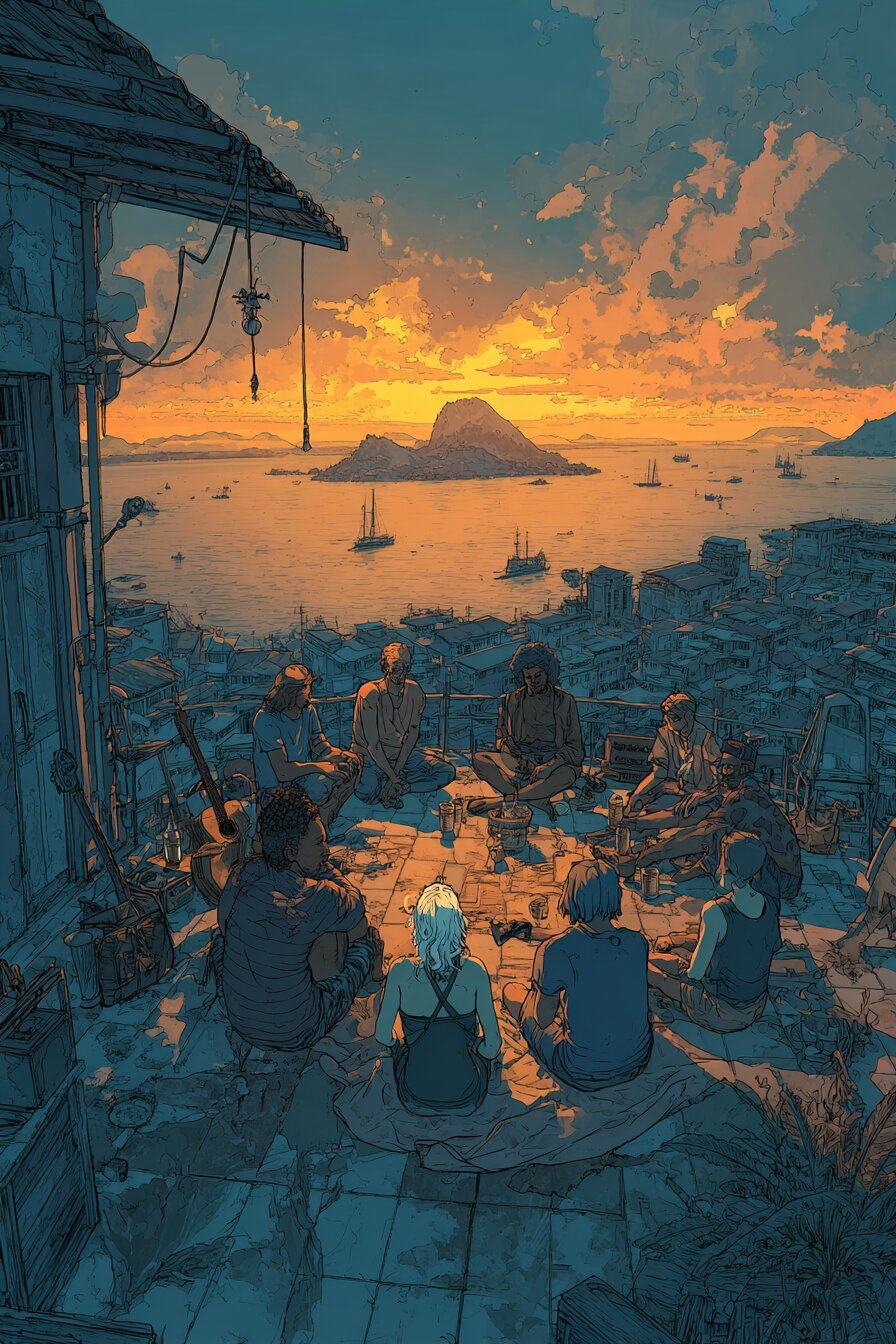

We talked until four in the morning that first night. Not the performative conversation of the rooftop circle, but real talk. The kind where you surprise yourself with what you're willing to say.
She told me about growing up in Porto Alegre, the pressure to become a doctor because that's what her family did, the feeling that she was following a script someone else had written. The medical degree was her compromise, she'd do what was expected, but on her terms, in her own time. This trip to Floripa was her last breath of freedom before diving into the final year that would lock her into the path.
I told her about Athens, about growing up between cultures, about the engineering parents who gave me stability but not soul. About Cassie and Damian. About watching the world change on September 11th and realizing I couldn't stay in the old paradigm.
“And now?” she asked. “What are you looking for now?”
“I don't know,” I said. And it was true. The journey had started with a question, where is truth, where is something real, but somewhere along the way the question had dissolved. Or maybe transformed into something I couldn't articulate yet.
“I think you're not looking anymore,” she said. “I think you're becoming.”
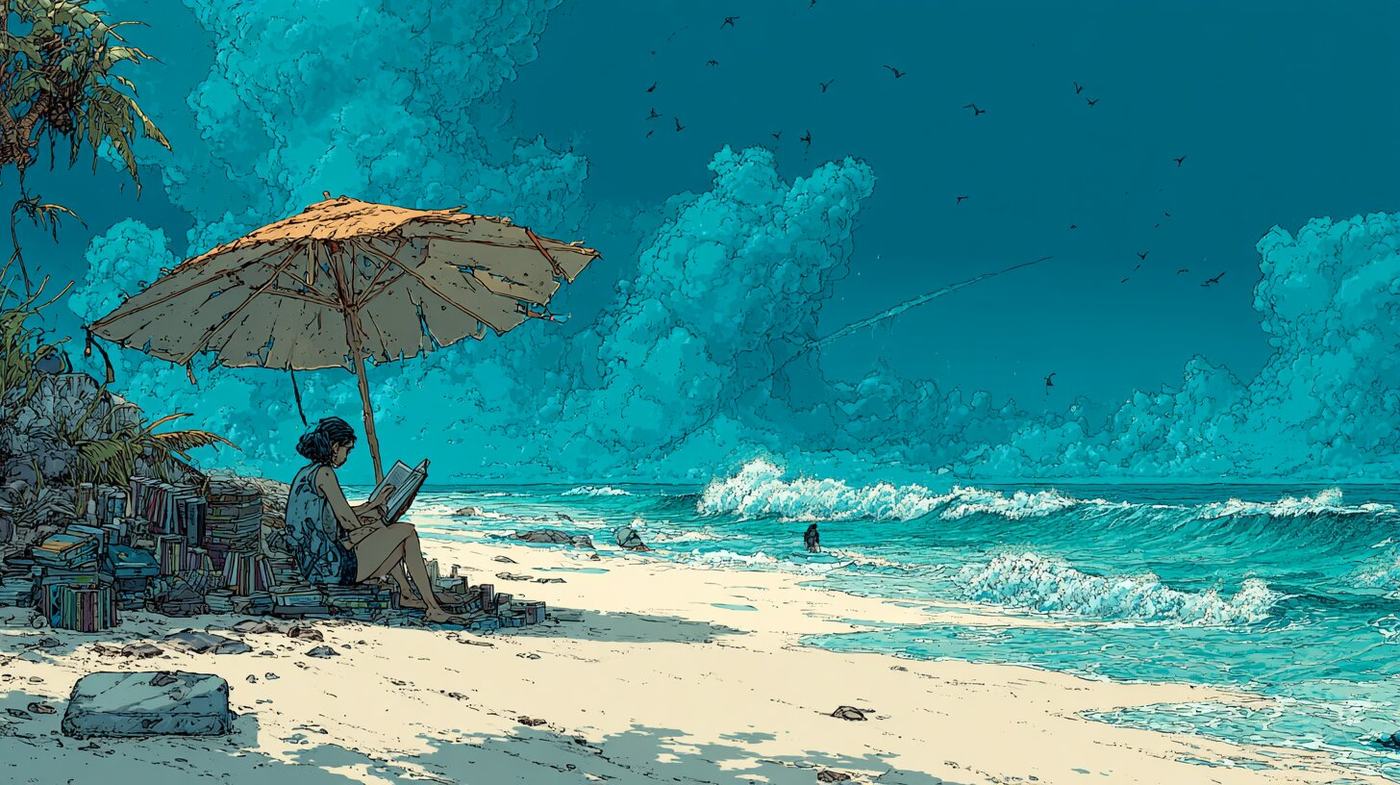
The next day we went to Praia Mole, one of the surf beaches on the east side of the island. The sand was white, the water was warm, and the waves were perfect for someone like me, big enough to be exciting, small enough not to kill you.
Luciana didn't surf, but she sat on the beach and read while I spent hours in the water. Every time I came back in, dripping and grinning, she'd look up from her book and smile like she was genuinely happy I was happy.
That night we cooked dinner together in the hostel kitchen. Nothing fancy, pasta with whatever vegetables we could find at the market, cheap wine from a box. But something about the domesticity of it felt radical after six months of constant movement.
I realized I hadn't cooked a meal in half a year. Hadn't stayed anywhere long enough to think about what I'd eat tomorrow, let alone plan for it.
“This is nice,” I said, chopping onions while she stirred the pot.
“What is?”
“This. Being still. Not running.”
She looked at me with an expression I couldn't read.
“Are you running? I thought you were traveling.”
“What's the difference?”
“Running is away from something. Traveling is toward something. Or just... moving because movement is good.”
“And how do you tell which one you're doing?”
“You ask yourself: If I stopped right now, what would I feel?”
I didn't answer, because I didn't want to know the answer.
We fell into a pattern over the next week. Beach during the day. Cooking together at night. Long walks through the streets of Floripa, talking about everything and nothing.


She showed me the parts of the city tourists don't see, the markets where old women sold acai and tapioca crepes, the hills where you could watch the sunset without ten other backpackers trying to get the same photo, the bars where locals actually went instead of the expat hangouts.
And slowly, without either of us acknowledging it, something was shifting.
The way she'd grab my hand when crossing a busy street, then forget to let go. The way I'd catch myself looking for her when I walked into a room. The way conversations that started at dinner would continue until sunrise, both of us too engaged to notice we'd been talking for eight hours.
One night, about ten days into my stay, we were lying on the beach under the stars. The hostel had organized a bonfire.
We'd drifted away from the group, finding a quiet spot where the only sound was waves and distant laughter.
“Can I ask you something?” she said.
“Sure.”
“Why did you really leave?”
“I told you. Cassie, ”
“No, I mean really. But what's the deeper reason? What were you searching for?”
I thought about it for a long time. Listened to the waves. Felt the sand still warm from the day's sun.
“I wanted to know if I was real,” I said finally. “Everything in my life felt like a performance. Like I was playing the role of Nikos, good son, good student, good boyfriend. But I didn't know who I was underneath all that. I thought if I stripped everything away, if I went far enough from home, I'd find... I don't know. My authentic self or whatever.”
“And did you?”
“No.”
“No?”
“I found something better. I found out that there is no authentic self underneath. There's just... choices. Every day you choose who you want to be. And if you choose consciously, with intention, you become that person. Not because it was always true, but because you made it true.”
She was quiet for a moment.
“That's a little terrifying,” she said.
“Why?”
“Because it means we're responsible. We can't blame our childhood or our circumstances or our nature. We're actively creating ourselves every moment.”
“Yeah,” I said. “It's terrifying. But it's also liberating.”
She rolled onto her side to look at me.
“So who are you choosing to be?”
“I don't know yet. Still figuring it out.”
“Liar,” she said, but she was smiling. “You know exactly who you're choosing to be. You're choosing to be the person who leaves.”
She was right, of course.
By the third week, Floripa had started to feel like home. I knew the bus routes. I had favorite restaurants. I could have conversations in broken Portuguese with the old men who sold coconuts on the beach.
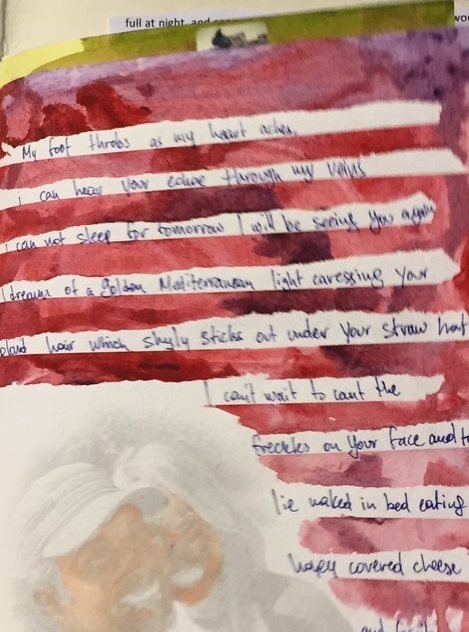
Can I lie next to you?
Look into your golden eyes
Can I lie to you and tell you
I don’t love you
Can I protect a bruised part?
Can I rip open a rusty door?
And I was falling in love with Luciana.
Not the desperate, clinging love I'd felt with Cassie. Not the you complete me codependent bullshit that had made that relationship so fragile.
This was different. This was two whole people enjoying each other's company. No neediness. No games. Just... ease.
And that's precisely what made it dangerous.
One afternoon we were walking back from the market, arms full of mangoes and avocados and fresh bread. She was telling me about a professor at her medical school who'd been caught plagiarizing his research, and I was laughing at her impression of the dean's passive-aggressive email.
And suddenly I had this flash of the future: Coming home to her every day. Learning Portuguese properly. Maybe finding a job teaching English or working at one of the surf shops. Building a life.
It wasn't a bad vision. In fact, it was beautiful.
And that's when I realized I was going to leave.
That night I couldn't sleep. I lay in my bunk listening to the sounds of the hostel, someone snoring, someone coming home drunk, someone having quiet sex in the bathroom.
I thought about what I'd learned over the past five months.
And now, in Brazil, I was learning something harder:
That love and attachment are not the same thing. That you can care deeply for someone without needing to possess them. That staying might actually be running away from the harder path.
The truth was simple: It would be so easy to stay. But I'd left home to become someone new, and that process wasn't finished. If I stayed now, I'd be choosing comfort over growth, using Luciana as an anchor, using love as an excuse to stop moving.
I told her three days later.
We were sitting on the wall above Praia Mole, watching surfers catch the late afternoon waves. The light was golden, the air was warm, and everything felt perfect except for the knot in my stomach.
“I'm going to leave next week,” I said.
She didn't look surprised. Didn't even look sad, really. Just nodded.
“Where to?”
“Sao Paulo, probably. The parties. Maybe Goa for the end of the season. I haven't decided.”
“Do you want to decide?”
“What do you mean?”
“I mean, you're choosing to leave, but you don't even know where you're going. So it's not about the destination. It's about the leaving itself.”
She wasn't wrong.
“I'm not ready to stop yet,” I said. “The journey, I mean. I can feel that it's not finished.”
“And I'm a distraction.”
“No. You're not a distraction. You're, ”
“I'm a temptation to stop.”
“Yeah.”
She smiled, but it was a sad smile.
“Can I tell you something?” she said.
“Of course.”
“I'm relieved.”
That wasn't what I expected.
“When you got here,” she continued, “you were so... light. So free. You'd figured out how to move through the world without carrying all that weight people usually carry. And I loved that about you.
“But these past few weeks, I've watched you getting heavier. Starting to think about tomorrow, and next week, and next month. Planning things. Settling.”
“Is that bad?”
“No. It's human. It's what people do when they're in love. But it's not who you are right now. And I don't want to be the reason you stop becoming who you're supposed to be.”
“Who says I'm supposed to be anyone?”
“You do. Every time you talk about the journey. Every time your eyes light up describing some crazy thing that happened in Peru or Ecuador. You're not done yet. And you know it.”
We had six more days together after that conversation. We didn't pretend everything was fine, but we didn't torture ourselves either.
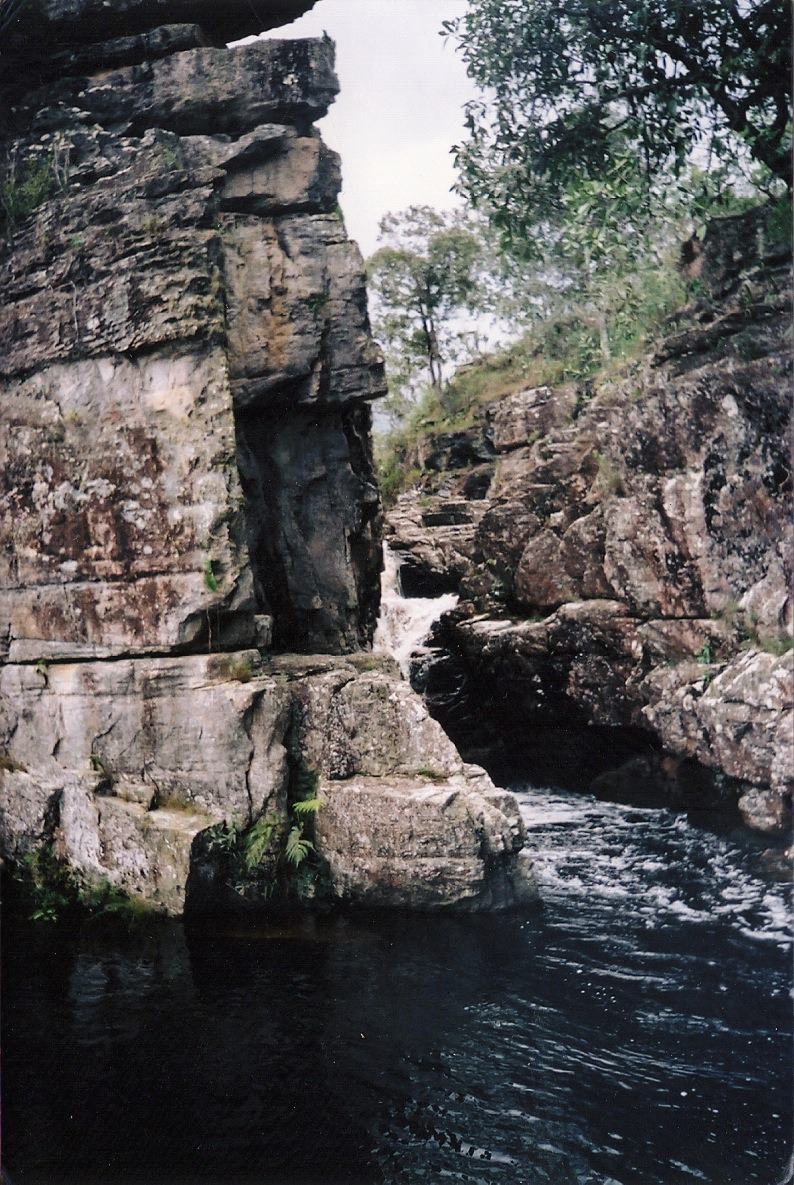
We spent the days at the beach, the evenings cooking together, the nights talking until sunrise. But now there was a poignancy to it. The awareness that this was temporary made every moment sharper, more present.
On my last night, we went to a bar in Lagoa da Conceicao, a lagoon on the island's interior. Live samba, cold beer, humid air thick with salt and possibility.
We danced for hours. Not the awkward tourist shuffle, but real dancing, the kind where you stop thinking and just let the rhythm move through you.
And at some point, mid-song, she leaned close and said in my ear:
“Thank you.”
“For what?”
“For leaving. For not staying just because it would be easier. For not loving me the lazy way.”
The next morning I packed my bag. The same backpack I'd left Athens with, now covered in patches from different countries, held together with duct tape and optimism.
Luciana walked me to the bus station. We didn't say much. Everything important had already been said.

When the bus pulled up, she hugged me. Not a desperate, clinging hug. Just a solid, warm, complete hug.
“Where are you really going?” she asked.
“I honestly don't know.”
“Liar,” she said again. But she was smiling. “You're going to become who you're supposed to be. And when you figure out who that is, send me a postcard.”
I watched her get smaller through the rear window of the bus as we pulled away. She stood there until we turned the corner. Not waving, not crying. Just standing.
And I thought about the difference between the person who'd left Cassie and the person who was leaving Luciana.
With Cassie, I'd left because I'd been broken. Shattered. Unable to stay in a world that had betrayed me.
With Luciana, I was leaving because I'd been made whole enough to choose growth over comfort.
That's the difference between a tourist and a traveler.
Cassie's betrayal made me a tourist. The journey made me a traveler.
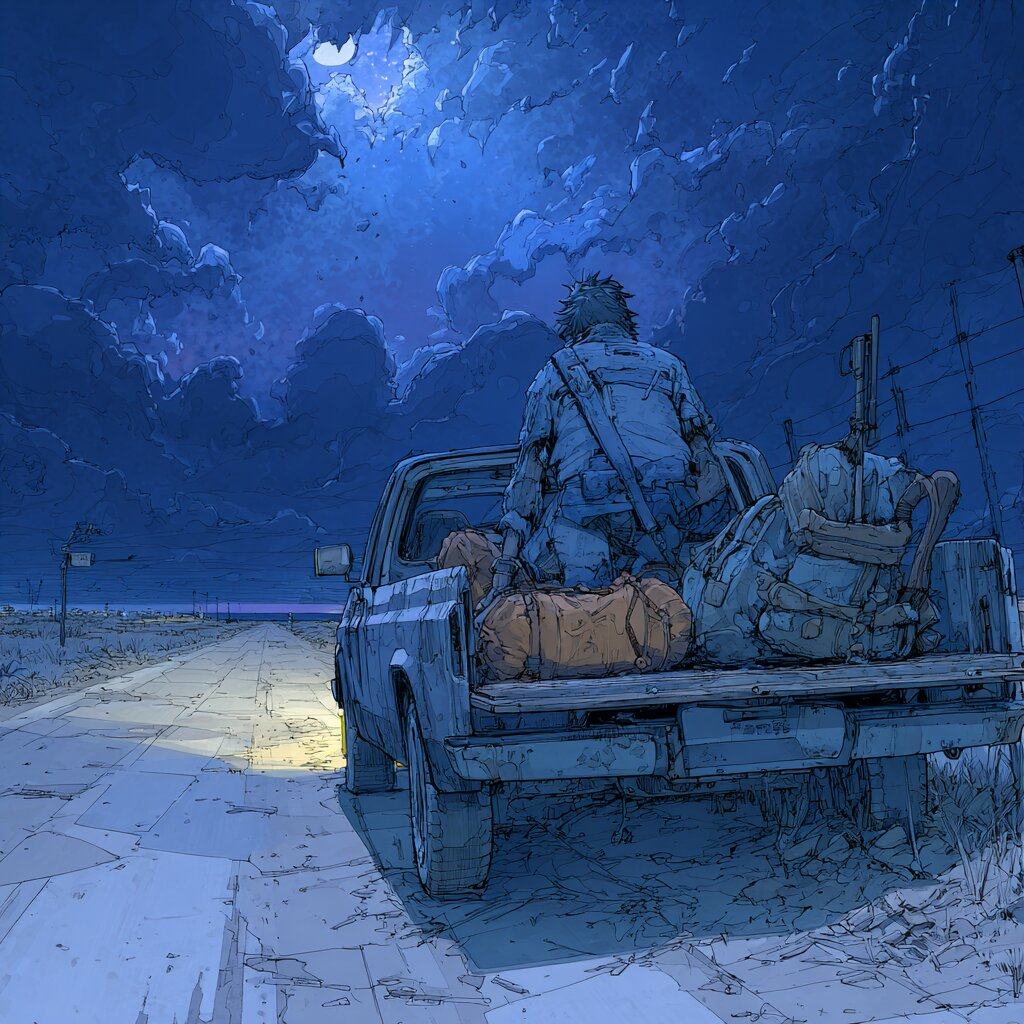
And Luciana, beautiful, wise, perfect Luciana, had held up a mirror and shown me the difference.
Sitting here in New York, dictating this to Akiko, I can see the pattern more clearly.
The opposite of love isn't hate. It's attachment.
Akiko looks up from the PowerBook.
“Did you send it?” she asks. “The postcard.”
Six words. It is the first thing she has asked since Florianopolis. I stop in the middle of a sentence about letting go.
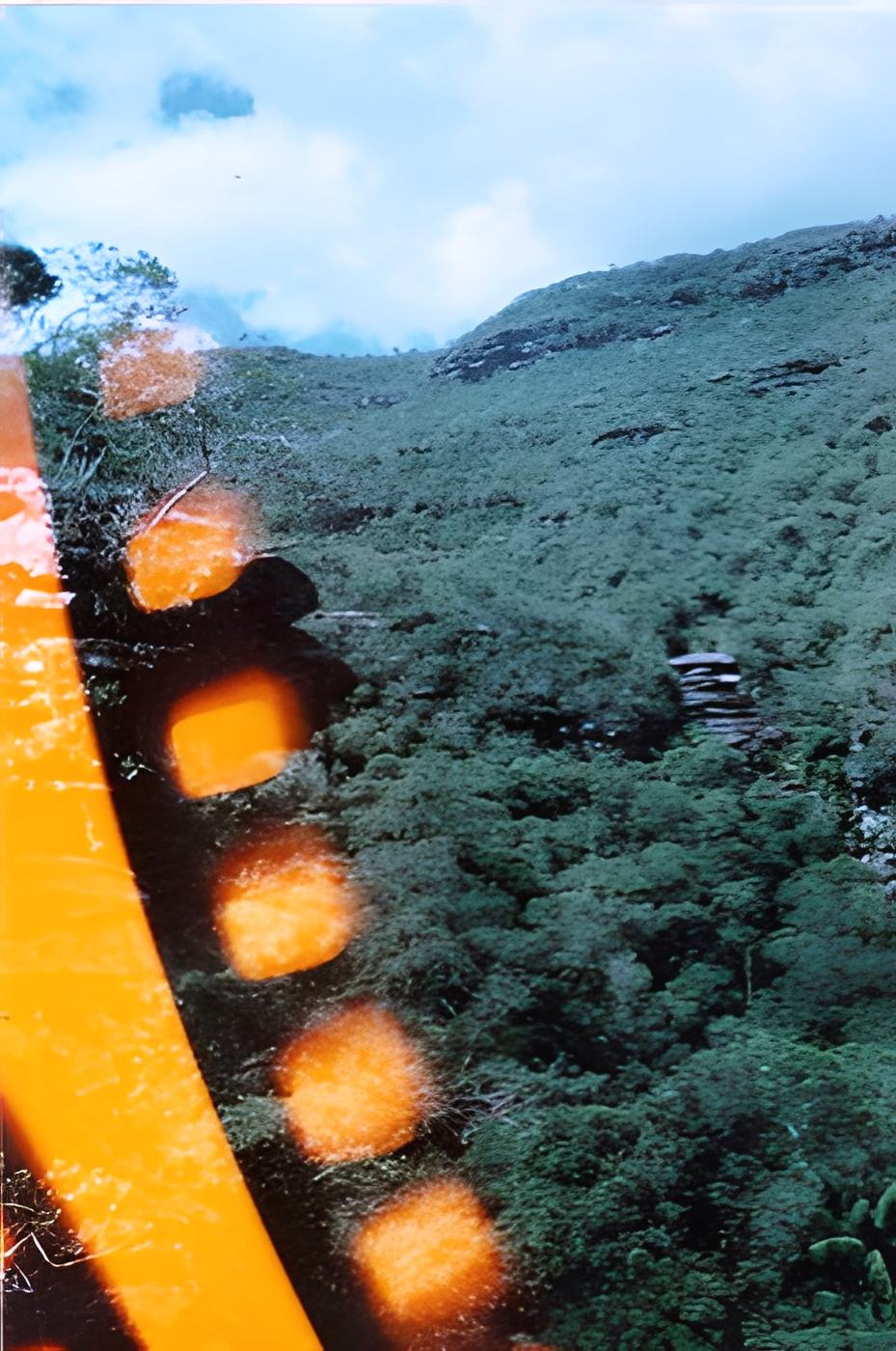
I never did send her that postcard, by the way. I kept meaning to, but some part of me felt like doing so would be reaching back instead of moving forward.
Maybe that's a cop-out. Maybe I just didn't know what to say.
Or maybe the lesson was complete exactly as it was, and any epilogue would dilute it.
I hope she finished medical school. I hope she found someone who was ready to stop, who wanted to build the life she deserved. I hope she's happy.
And I hope somewhere, on some beach in southern Brazil, there's a beautiful blonde woman who occasionally tells a story about the Greek-American traveler who loved her enough to leave.
Because the thing about waves is this:
You can't ride the same wave twice.
You can try to hold onto it, can turn your board around and paddle back. But it's already dissolved into the ocean. Already returned to potential.
The only way to honor a perfect wave is to let it go.
And then paddle out and catch the next one.
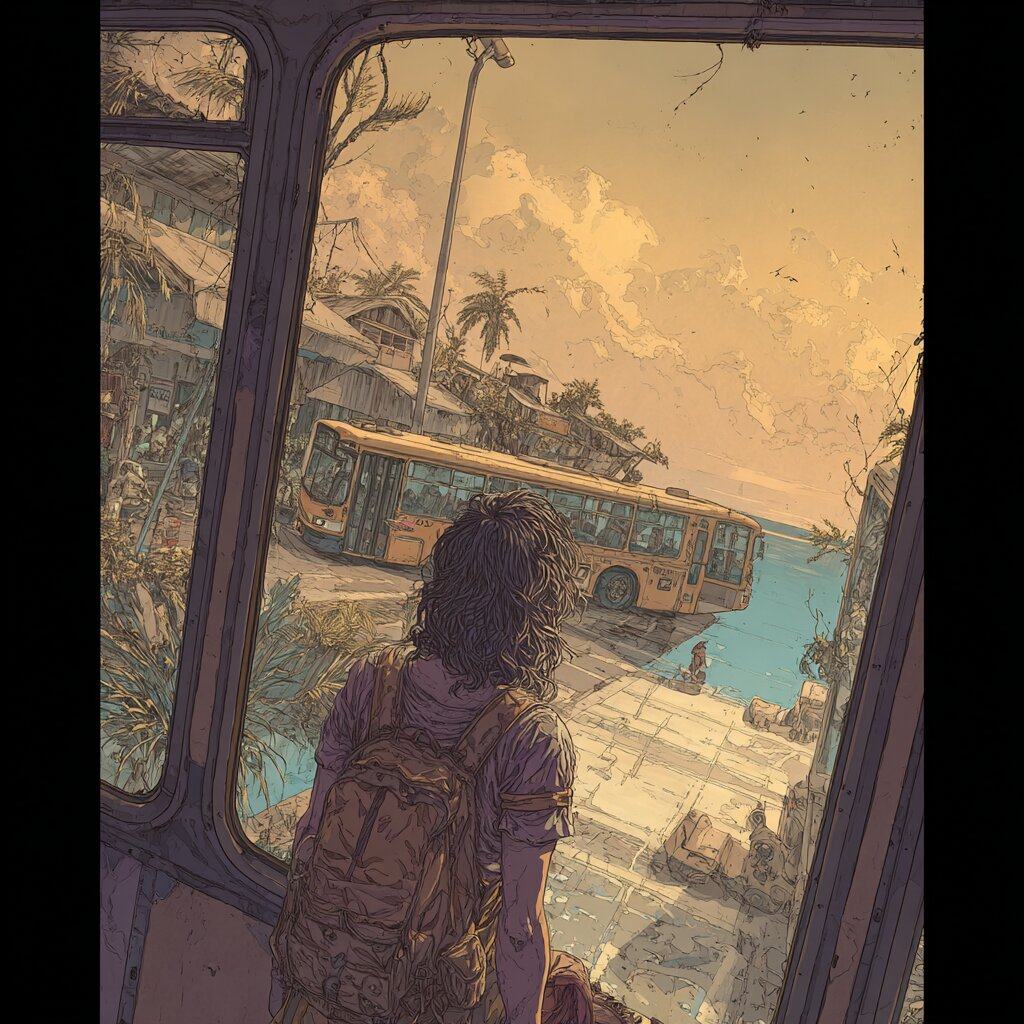
The bus carried me north along the coast highway. Sao Paulo first. After that I didn't know where I was going. Goa, maybe. Or somewhere completely unplanned.
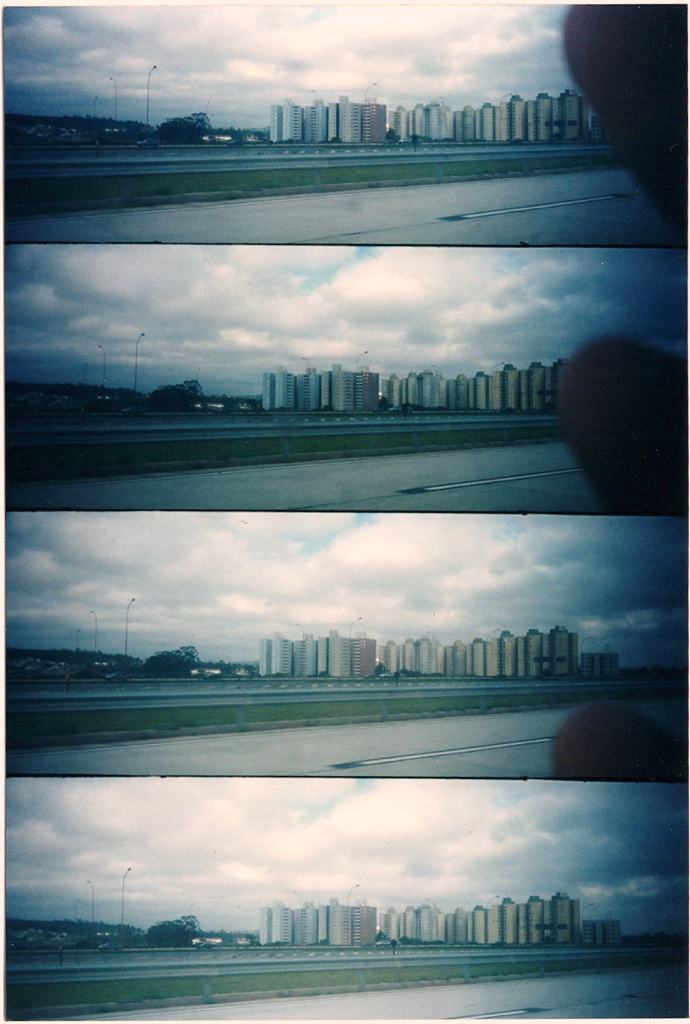
But for the first time in my life, that uncertainty didn't scare me.
I fell asleep somewhere north of Florianopolis, my head resting against the window, the coastline blurring past.
And I dreamed of waves.
Perfect, endless, infinite waves.
All the way to the horizon.
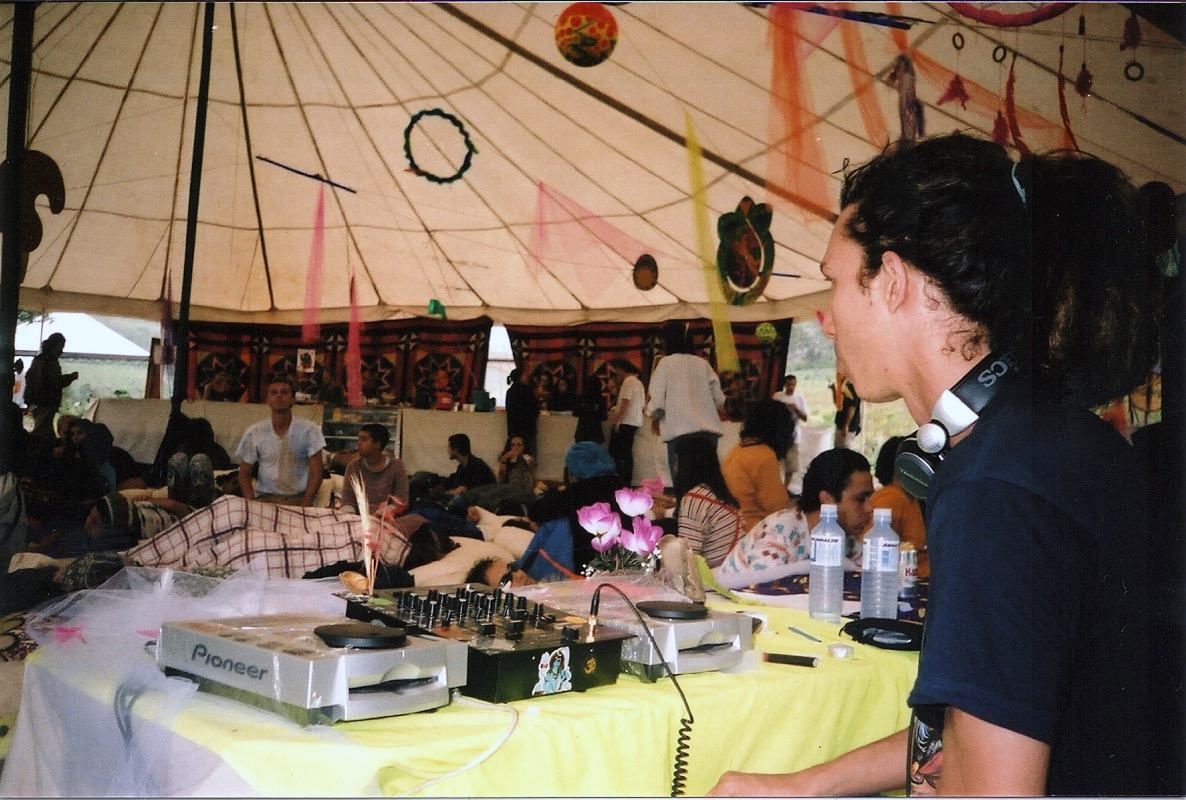
Sao Paulo was nine weeks in a minuscule apartment with an Argentinian model. It was also one night in a club.
After that night I promised myself I would never listen to psy-trance in a club ever again. It’s just too much. It feels like you are being compressed in a box, and you just want to explode!