Act III
Nostos, the return

Chapter 18
Back To Babylon
Finding the Muse
NYC, 2002
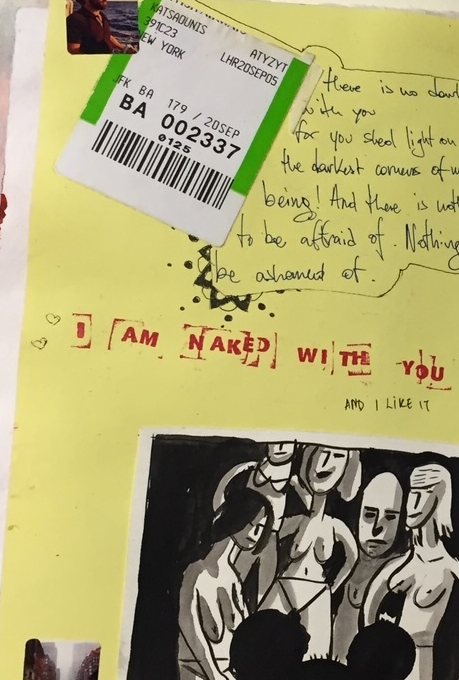
Akiko wants the plane. I give her the boat first.
Athens, on the way back. A friend of mine had lost his brother to cancer when they were young and had gone very religious after it, and he would not let me fly on to New York until I had seen the Holy Mountain with him. Passport stamped. A boat. No women allowed on the whole peninsula.
I had just come back from fourteen months of backpacking. I was twenty-four years old.
Mount Athos, or Agion Oros as it's called, is this unique place. Legend has it that Mary, on her way back from Jerusalem, as she was crossing Greece, pointed toward it and fell in love with it. As of that day no women were allowed on that sacred piece of land. And for a thousand years the most Orthodox of Orthodox Christians make pilgrimages to the many monasteries that exist on this peninsula.
People from all over Greece, all over the world, journey to this place to spend a few days and live with the monks in a monastic life. And beyond the monasteries there are people who live in the valleys, the hermits, old men who have supernatural powers and know your name as you walk up to their doorstep for the first time, or can talk to the animals. Legend has it that when these men pass away their bodies disappear and a rainbow appears on the horizon, and all the other monks have a party and dance and celebrate.
I'd gone to this place when I was a kid with my parents. So many things that I'd heard about these monks and this place resembled some of the mystical stories about the gurus in India or Nepal.
My friend was waiting for me at the port. We jumped onto this boat. It was a short forty-five-minute ride to the first monastery that we would be spending a couple of days at. It was late afternoon. After we settled in, my friend insisted that I go and confess. The sun was setting by now, and there was this spooky tower that was dark and was penetrated by this light coming from the sun setting.
He said that the head of the monastery was this old monk who was a really kind man, and that if I confessed to him, my sins would be absolved.
I had never confessed before. I come from a family who doesn't really practice any particular religion, even though they go to church a couple times a year for cultural reasons.
I thought I'd give it a try, so I shyly walked up the staircase and entered this dark little room in the corner. There was a wooden throne of sorts, and this very old man with a long white beard sat in the candlelight that flickered gently.
He was really calm. His eyes were soothing, his voice was gentle and soft, and he asked me, “My son, why are you here? What are you looking for? What have you done that you regret?”
I sat there and I wasn't really sure how to answer that question. I tried to think of things that I was embarrassed about, but nothing I had done felt like a sin. I told him that I had stolen some candy when I was younger. I had lied to my parents when I was a teenager, and maybe I had cheated on a couple of girlfriends at some point.
But he didn't seem to react.
“What else? What else?”
I sat there for a minute or two, and the awkward silence was broken when he asked me, “Where do you live? What do you do?”
I told him that I lived in New York, and that I was a documentary filmmaker. His sleepy eyes seemed to become more alert, and he looked at me with a more intense stare.
And he said to me, “What are your documentaries about?”
So I told him that I had just returned from South America and that I was shooting a documentary on the ritualistic use of psychedelics in indigenous tribes of the Amazon, and how it's connected to rave culture. I had not finished my sentence, but his eyes widened.
And he said, “Stop. Go back to the United States immediately. Stop what you're doing. You're going to burn in hell, and you're going to make other people burn in hell. This film that you're making, these are heretic things.” Suddenly this gentle old man, so placid and kind, was electrified.

He said, “Tomorrow you're not allowed to commune. Do not participate in the communion.”
And he pointed toward the door.
I exited, perplexed.
My friend was waiting there eagerly and asked me, “How was it?”
“I'm going to hell. I'm going to take a bunch of people with me.”
“Come on, couldn't be that bad.”
“No, he literally said that.”
He didn't want to ruin the trip, so we didn't give it too much thought.
The next days we followed the lives of the monks, waking up at four am, going to prayer as the sun rose. They sang these hymns, and they believed, almost in a pagan way, that their songs gave life to the angels, who actually came and fought the powers of darkness in the chapel above their heads as they sang. And it was the result of that battle, the result of the angels being fueled by the power of these hymns, that light conquered darkness and dawn emerged.
I always thought that there was something more mystical and esoteric about the Greek Orthodox Church when compared to other forms of Christianity. The literalness of the faith and the magic it entailed imbued every act, every ritual, with a magic quality that didn't feel very Christian. Pagan roots.
The next couple of days were rather calm. We did some hikes and met some old hermits. Then we decided to go on to the next monastery. It was the monastery of Agiou Dionisiou, rather unconventional, and the people there didn't really follow the schedule with the same regimen and strictness that you'd find at the other monasteries.
The afternoon after settling in, we sat on the gazebo on the edge of this hundred-meter cliff, the side of the monastery, with some other pilgrims who were visiting. I mentioned the story of my confession and how I was taken aback by the response of the head priest.
A young monk stood in the corner. He couldn't have been older than thirty, wearing his dark black garment covering his entire body, and his crumbly little beard. He sat and listened. Quietly, but intently.
After telling the story, and alluding to the fact that the church today isn't very inviting and essentially pushes people away in their time of need and vulnerability, we went to bed. We were leaving the next day.
As dawn came we woke up to go down to the port, which was half an hour away, to get the boat to leave.
About to arrive at the coast edge, I hear a voice in the background coming from the hill.
“Brother Nikolas, Brother Nikolas. Wait. Wait, don't leave yet.”
I turn around. And I see the young monk from the day before running down the hill toward the port.
I waited for him, and panting he stood before me and said, “I wanted to tell something to you before you leave, and it's very important to me. For ten years I traveled around the world looking for God and truth, and after wandering around four continents, this is the place that spoke to me with the most truth and the most power.”
He rolled up his sleeves, and on one forearm he had a tattoo of Ganesh, and on the other a tattoo of Shiva.
And he says to me, “God exists everywhere. As long as you look for him, you will find him. Don't listen to the old man. They're stuck in their ways. The important thing is that you are searching for truth, and it is the search that matters. Go on your way and be blessed, and don't worry about what the old man said.”
Just as he was finishing up, the boat pulled up and we needed to leave. I gave him a hug and jumped on the boat.
As the boat pulled away I saw the magnificence of Athos, leaving this sacred land, time frozen a thousand years ago.
I couldn't help but wonder how God found a way to speak to me in a way that resonated, in the voice that I would understand, just so I would not lose faith.
The moment I stepped off the plane at JFK, I felt it.
Weight.
Not the good kind, not the weight of being grounded or connected or home. The opposite. The weight of gravity reasserting itself. Of time speeding back up. Of the Machine clicking back into gear, ready to process me, categorize me, slot me back into the life I'd left behind.

I'd been gone fourteen months. Central America, South America, India, then that strange detour through Nevada for Burning Man, and Greece on the way back to New York. Fourteen months of living like time was liquid. Fourteen months of saying yes to every synchronicity, every strange invitation, every doorway the universe opened.
And now I was back in Babylon.
Sitting here dictating this to Akiko, six months after that return, I'm trying to remember what that first week back felt like.
Disorienting. Everything was too bright, too loud, too fast. People rushing past on the subway, staring at nothing, just rushing.
I'd spent fourteen months with no schedule, no cell phone. Just a backpack and the weird faith that if I showed up authentically, the universe would provide. And it had. Synchronicities stacking until the journey felt less like travel and more like a dream the universe was having through me.
And now I was supposed to what? Get a job? An apartment? Pretend like none of it had happened?
How do you keep the lessons with you when you reenter? I don’t even know if that is possible. I think that is part of all my frustration in life. I want to be a mystic in the city and have a conventional life, but maybe you can’t have that. But I don’t know if I can go off on the road and live on the road either. So it puts me in this state of internal conflict. Which at the same time makes me write all of this.
If we could all be in the state of traveling all the time, everything would fall apart. Society creates this norm of how life should be lived, so you make this polarity, and it makes it more meaningful when you go traveling, or you take that risk.
I tried to explain to my parents what the trip had been like. My mom listened politely, occasionally asking about safety or money. My dad wanted to know when I was going to start applying for jobs.
“I have a degree in philosophy,” I said. “From Tulane. That has to count for something.”
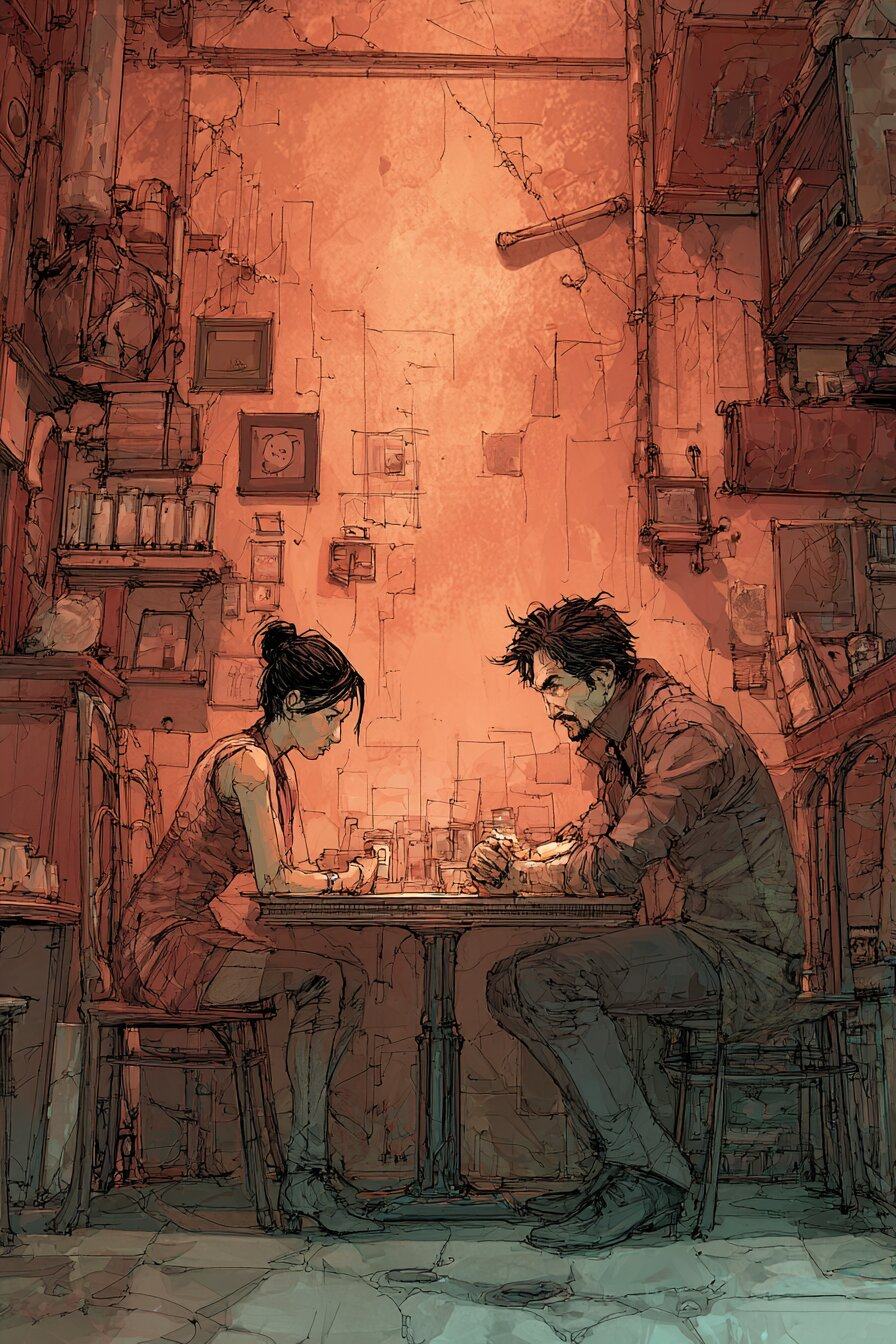
“It counts for nothing if you don't use it,” my dad said. Not unkindly. Just stating a fact.
He wasn't wrong. But he also wasn't right.
Because the thing I'd learned on the road, the thing I'd figured out in Tulum, standing on top of that pyramid with Tarquin, watching the boundaries between everything dissolve, was that the old metrics didn't apply anymore.
The Industrial Age was over. The Information Age was here. And the rules were different now.
You didn't need to climb a corporate ladder. You could build your own ladder. You could create your own path. The internet made it possible. You just had to be brave enough, or crazy enough, to try.
There is a name for what my father was looking at across that table.
It’s the archetype of the jester. He’s the only person who can tell the king the truth and get away with it. There is something sensational about it, but there is a sadness about it because he never fits in. He never can have a normal life. It is scary for me to say that because I think you marry yourself to that archetype. I’m the jester.
Akiko stops typing. This is the one place she departs from me.
I feel like your conception of archetypes can be paralyzing, if you are seeing yourself inside of these systems. Every person is so much more complex than that.
That's a good point.
The problem is, if you take too many drugs you see the patterns all the time. You know what it is, it's like a Labrador that has been overbred. They bring you rocks and you sit there and throw rocks all the time. That's what drugs do, they bring you the patterns. Patterns, patterns, patterns. It's like fireworks. At the same time they are the closest proof of the existence of God.
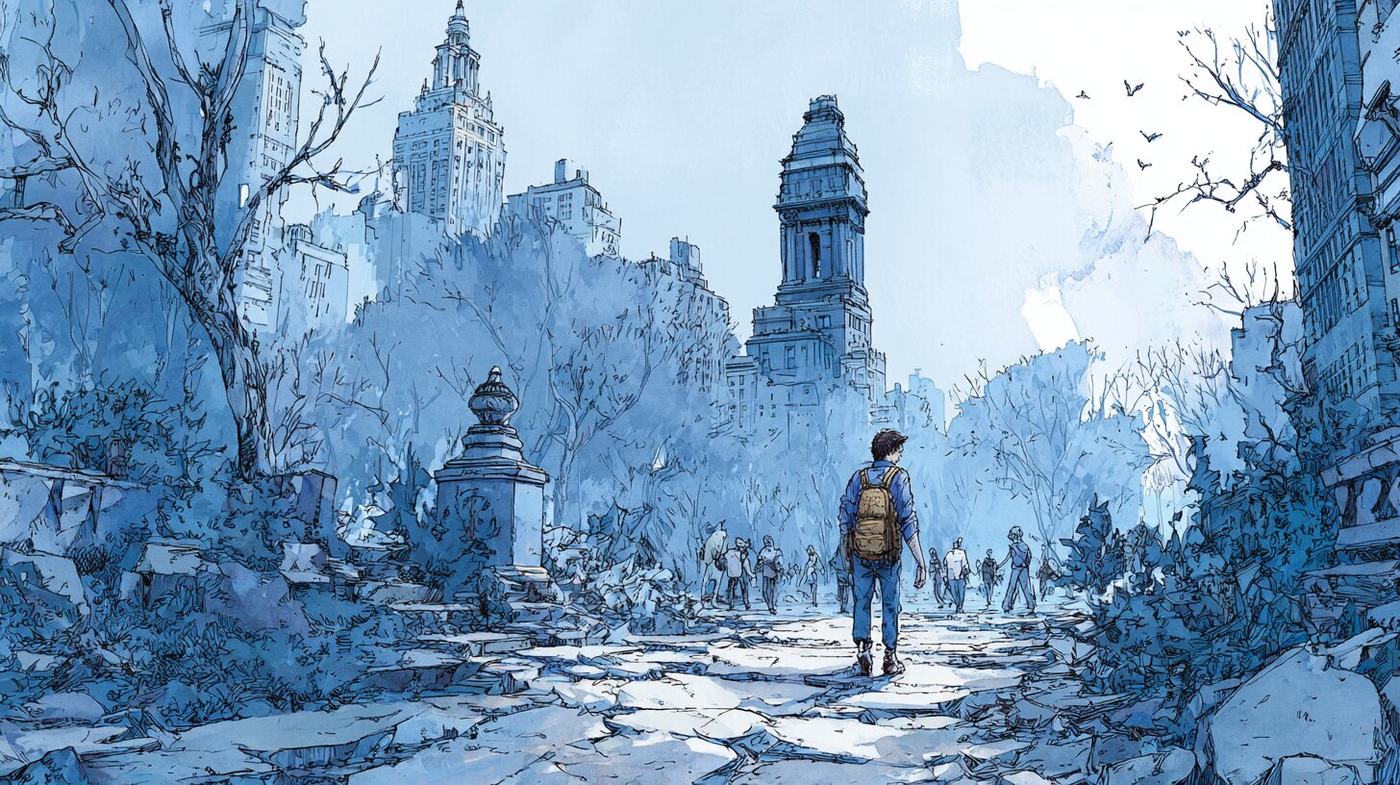
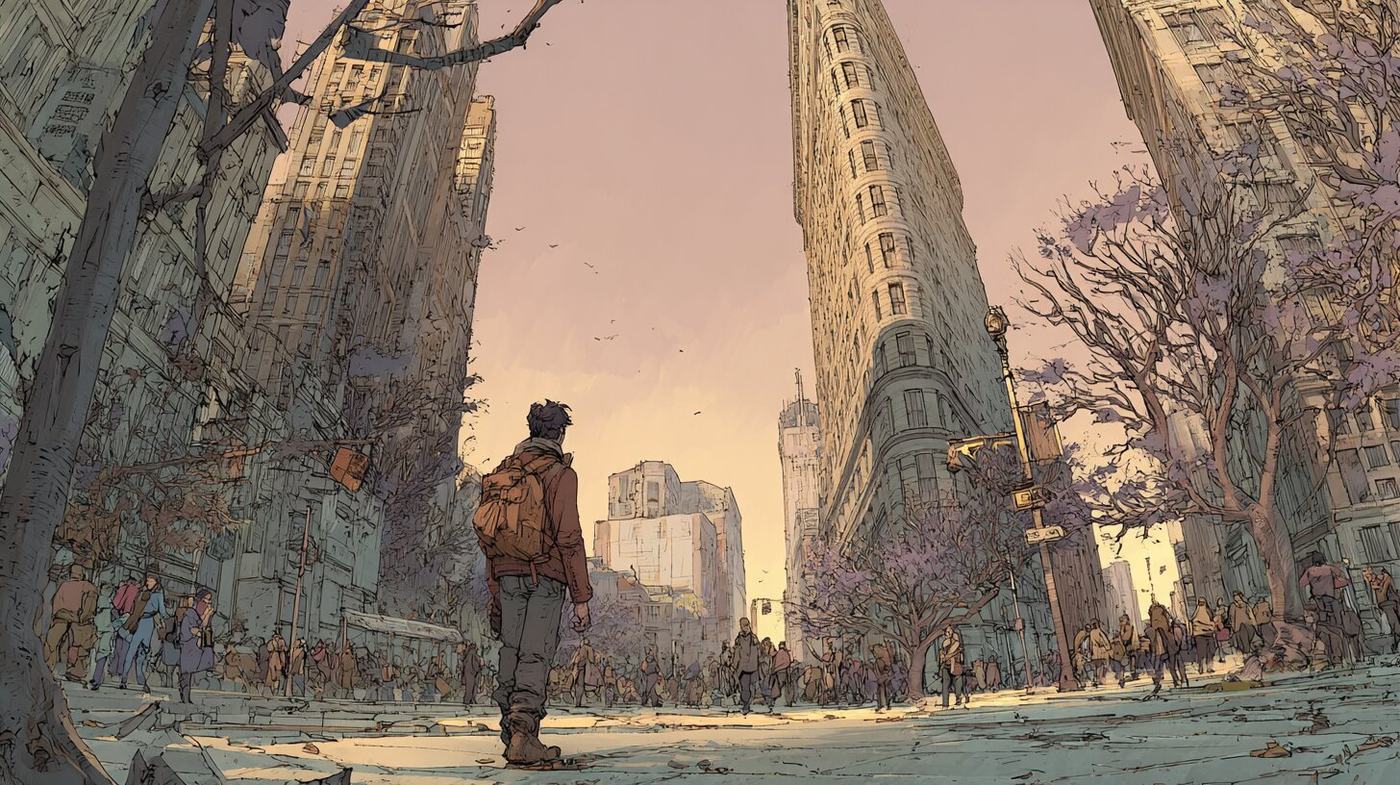
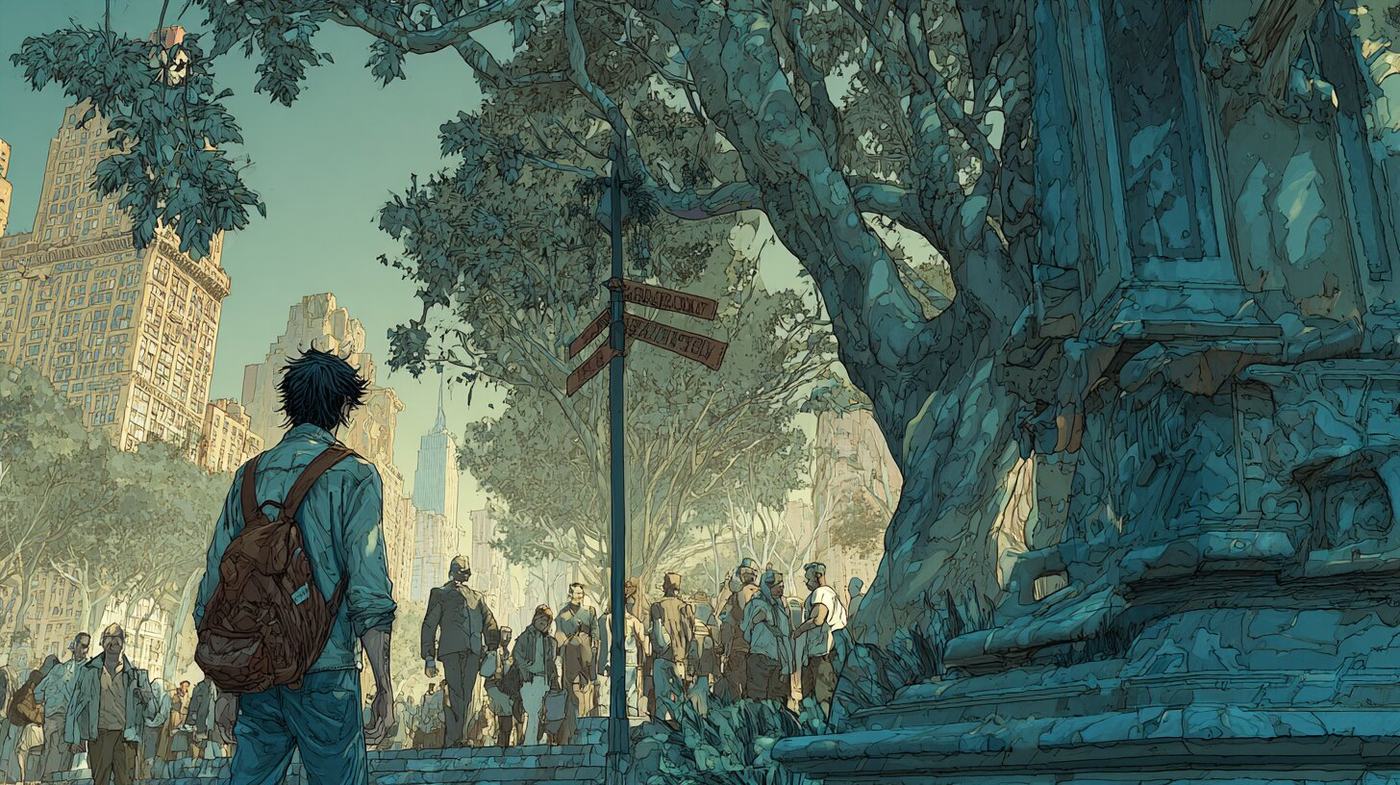
I spent my days walking. Central Park, the Village, Brooklyn. Looking for a sign, some synchronicity that would tell me what to do next.
But New York doesn't work like that. New York doesn't care about your journey or your insights. It just is. Relentless. Indifferent.
I tried to write. Sat down with notebooks and pens and tried to capture what had happened. But every time I started, the words felt wrong. Too small. Too linear. How do you describe ego dissolution in a sentence? How do you explain the feeling of boundaries dissolving, of becoming one with everything, of understanding, just for a moment, the fundamental pattern underlying all of reality?
You can't.
Or at least, I couldn't.
One night, lying in my bed staring at the ceiling, I had another thought.
I couldn't write it.
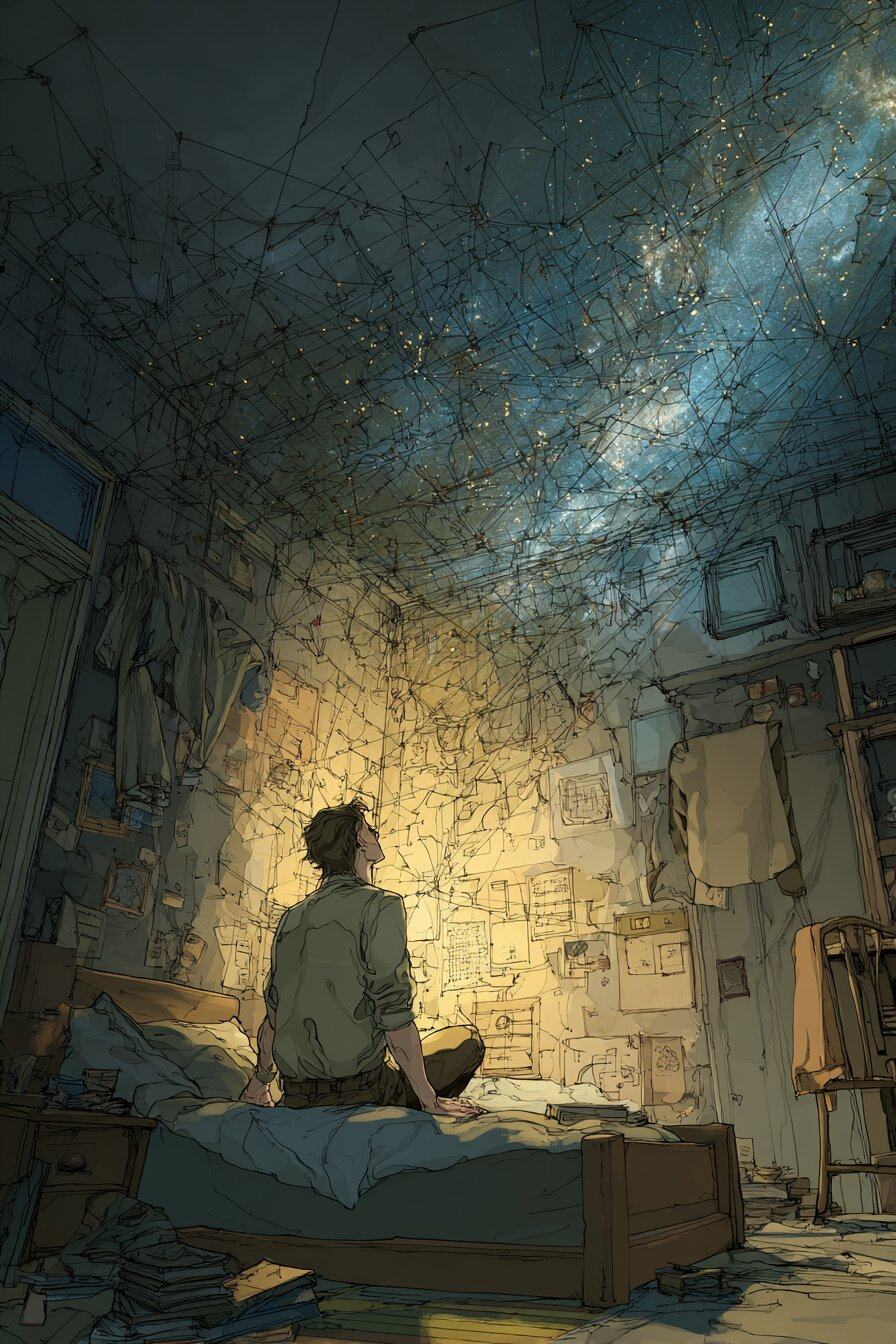
But maybe I could speak it.
What if I did that?
What if I found someone to type while I talked? Someone who could capture the words as they flowed, unedited, unfiltered. Someone who could be my muse.
You know the rest, because it is where this book began. The ad, the thirty-three replies, fifteen dollars an hour, the walk-up on 9th Street and Avenue C. I won't tell it twice.
I talked. She typed.
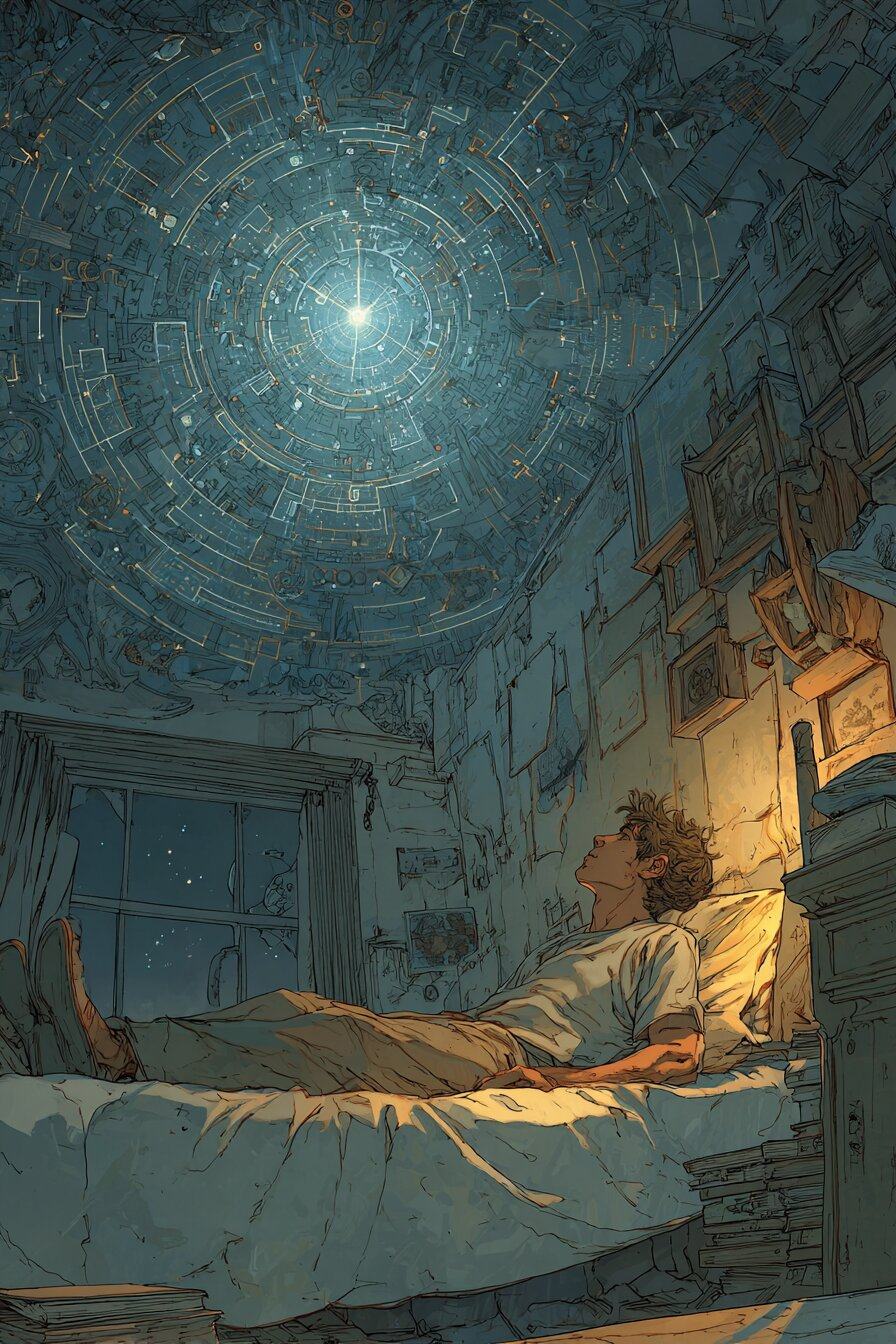
Hours and hours of it. Days. Weeks. I'd talk until my voice was hoarse, and Akiko would type, occasionally interjecting with Wait, who's Tarquin? or Back up, what happened with Cassie? or You did DMT on top of a pyramid? Are you insane?
Sitting here now, watching Akiko type this very sentence, I realize something.
I didn't find Akiko so she could help me tell my story.
I found Akiko so I could figure out what my story was.
The Odyssey isn't just about going on a journey. It's about coming home and telling people what you learned. It's about the return. The integration. The moment when you realize that the adventure was never just about you; it was about what you'd bring back to share.
That's what Akiko gave me. She was my anchor. My witness.
We've been doing this for six months now. Meeting three, four, sometimes five times a week. I talk, she types. We've filled hundreds of pages. The story of Cancun and Tulum and Guatemala. Costa Rica and Ecuador and Peru. The ayahuasca ceremony in Iquitos. Luciana in Brazil. The passport miracle in Bombay. The trance parties in Goa. Burning Man. All of it.
And through the telling, I've started to understand.
Akiko looks up from her laptop.
“That's a lot,” she says.
“I know.”
“So what are you going to do with all this? When we're done?”
It's a good question. I've been avoiding thinking about it.
“I don't know,” I say honestly. “Put it on the internet, maybe. Create a website. Share it with people who are going through their own journeys. Let them know they're not alone.”
“And then what?”
“And then... I don't know. Live the philosophy, I guess. Keep practicing what I learned. Keep surrendering to the flow. Keep showing up authentically and trusting that the universe will provide.”
“That's not a plan.”
“No,” I agree. “It's not. But it's something better than a plan. It's a practice.”
She nods, saves the file, stretches.
“Well,” she says, “you've got a hell of a story. Whatever you do with it, I'm glad I got to be part of capturing it.”
“Me too.”
Some people, a few, are waking up. Realizing they can write their own scripts. Realizing the old rules don't apply anymore. Realizing that the internet has changed everything, that the global village is real, that a new way of living is possible.
Those people are my tribe.
And this story, this Odyssey I've been dictating to Akiko for six months, is my message to them.
And the pattern continues.
The circuit completes.
The story lives.
Akiko starts packing up her laptop.
“Same time Thursday?” she asks.
“Yeah. I think there's one more chapter. Maybe two. And then we're done.”
“And then you're done with the journey?”
I laugh. “No. Then I'm just getting started.”
She smiles, understanding.
She pauses at the door, looks back.
“You know,” she says, “when you first started telling me about Tulum and zero equals one and all that mystical stuff, I thought you were full of shit. But now... I get it. The digital is the mystical. The circuit connects everything.”
“The sacred circuit,” I say.
She smiles. “Exactly.”
After Akiko leaves, I sit in my room for a while, listening to the sounds of the city.
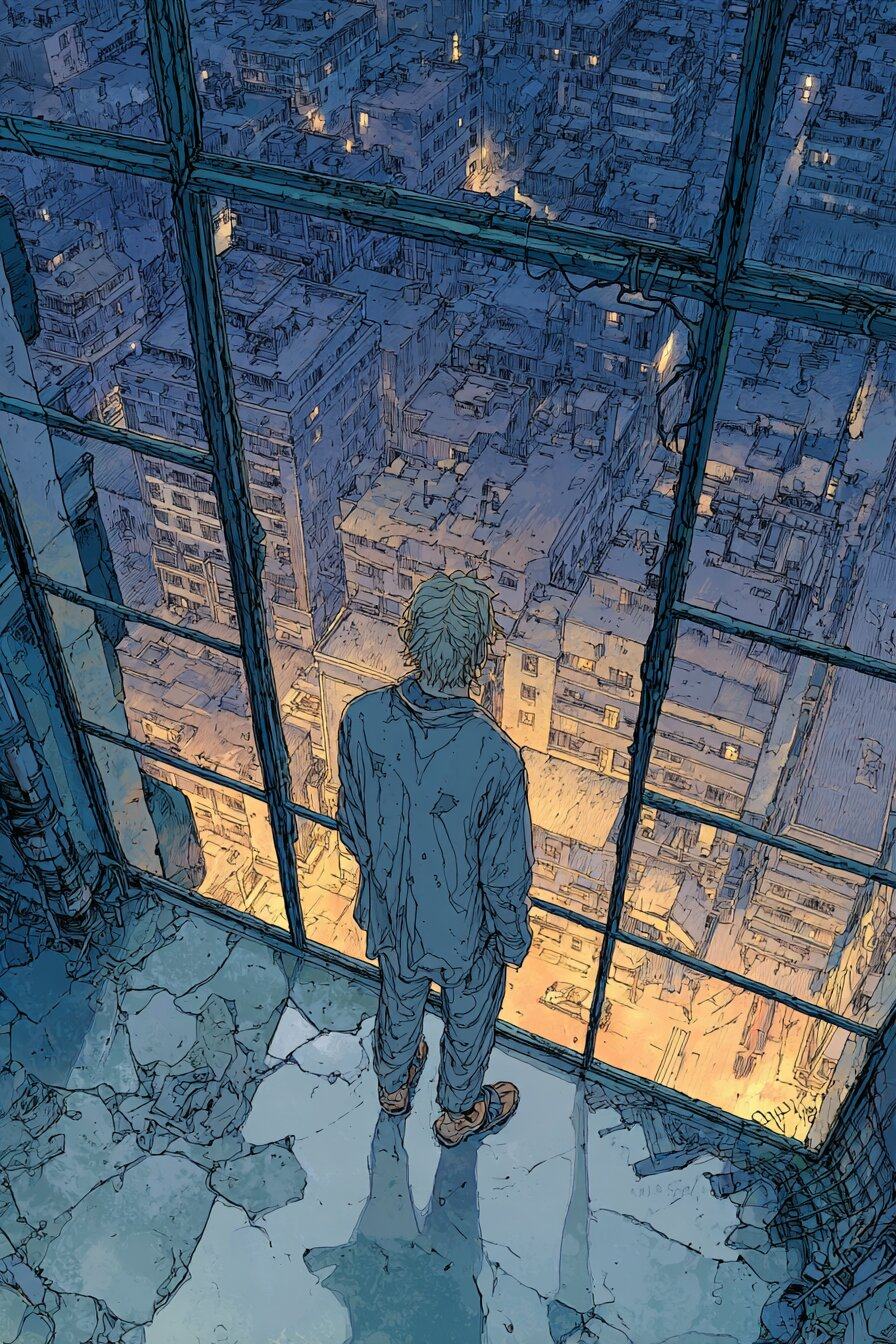
Twenty-four years old. Back in New York. Broke. No clear path forward.
An aching throb
Fading memories of a not so distant past
curl like the waves of the Aegean.
A breath, in …. Out
A heart beat
pumping blood passionately to the brain
A deep fear of freedom
Uncertainty about the future
Moments I have longed for
Alas it is here staring at me in the face
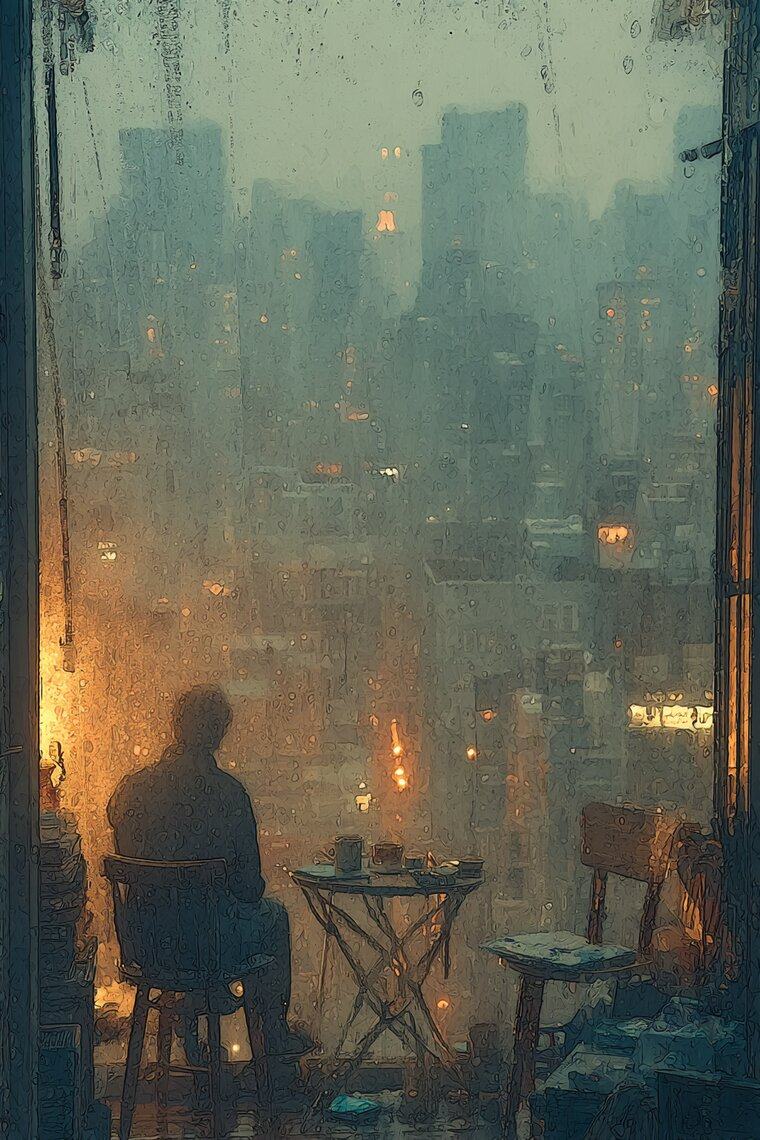
But also: transformed. Awake. Connected. Alive in a way I'd never been before.
I think about Michael at Solstice Grove, the guy I'd met in California before the journey started. How he'd seemed like the future version of me, someone who'd figured out how to live outside the Matrix, how to make a life out of art and community and consciousness exploration.
At the time, I'd wanted to be like him.
Now I realize: I am like him. I'm becoming him. The student is becoming the teacher. The seeker is becoming the guide.
It's not about arriving somewhere. It's about the continuous transformation. The endless becoming.
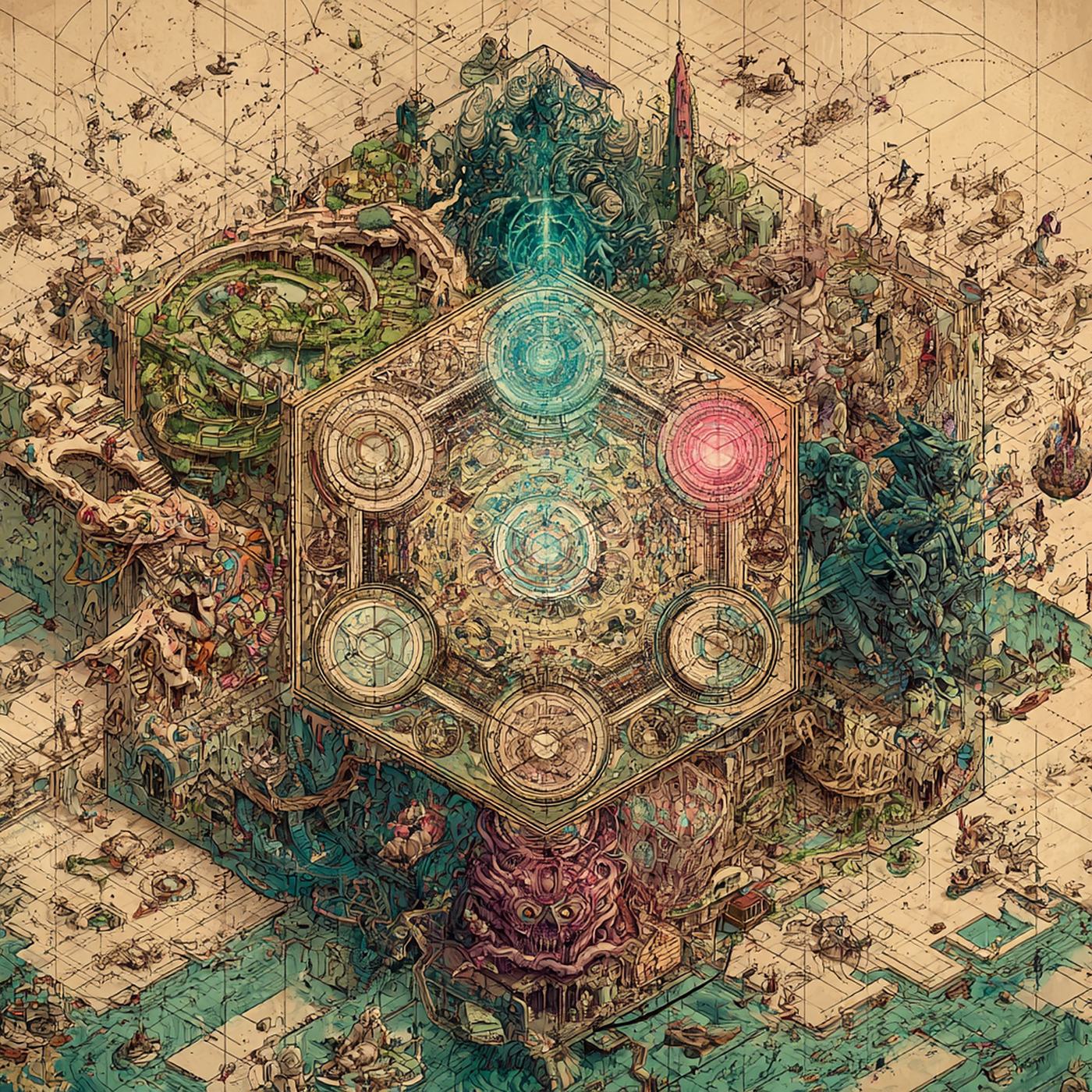
That's what zero equals one really means.
It's not about the destination or the journey. It's about the oscillation between them. The constant movement. The eternal return.
You leave. You come back. You integrate. You leave again.
Over and over.
At the speed of light.
Creating everything.
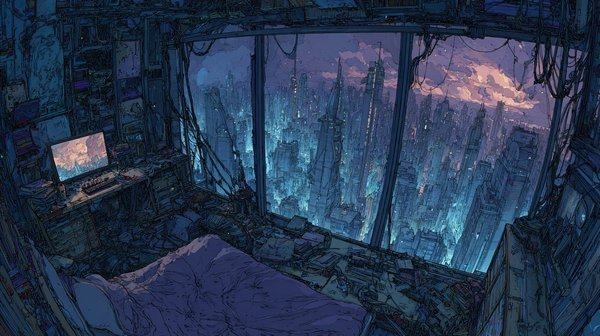
I walk over to my computer, that ancient, slow machine, and open a web browser.
I type in a URL I registered last week: www.zeroequalsone.net
The page is blank. A white screen waiting for content.
I stare at it for a long time.
And then I start typing.
Not the story; that's what Akiko's helping me with. But the framework. The philosophy. The pattern I've seen emerging.
The first page I type out in full is the one about Elvis and the stars that the feedback loop of attention creates.
We've reached a time where we've been able to democratize being a god. We are now able to create mythologies about ourselves, semiotic stories that attract attention. The human mind can only do one thing at any given moment, and that is to pay attention to one thing. In that moment, when we devote time and attention to a specific thing, our attention charges that thing, whether it is physical, conceptual, or abstract. An idea, a story, a myth. The more people's attention you can capture, the more that story, myth, or idea gets charged with that energy.
But how are we going to capture our audience's attention? How are we going to treat the stories that we tell? Are we wizards who send out these semiotic spells, these clusters of information? Are these going to inspire and elevate the thoughts of my audience? Or am I going to trigger their animalistic senses and turn them into pigs, like Circe turned Odysseus's men, trigger their fear, their lust, their envy, make them desire things that they don't have? So be careful with the stories you tell, and the stories you hear, for they shape who you are and who you'll want to be.
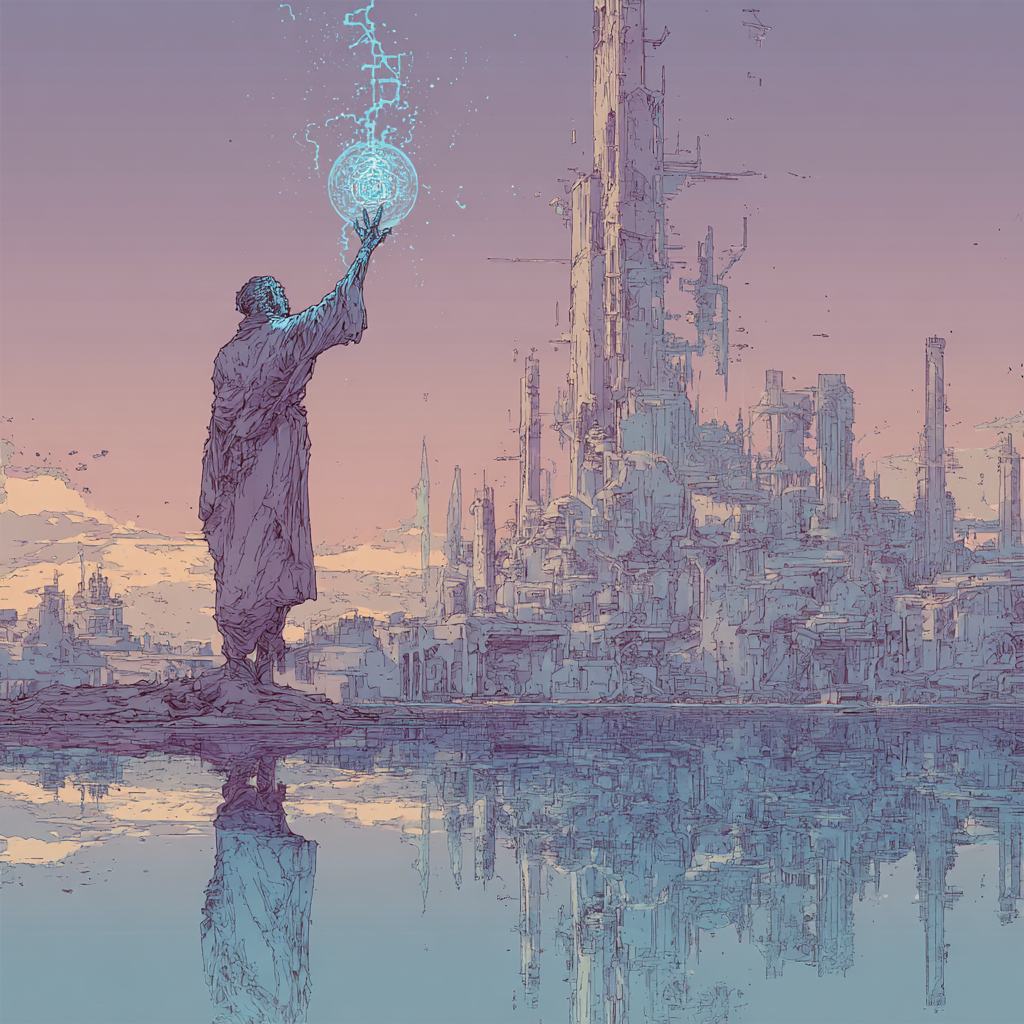
Puppeteer or puppet. The ballerina or the stripper, one more time. Circe's pigs or Homer's listeners.
That is the page. I read it back once and leave it.
I don't know if anyone will read it.
But that's not the point.
The point is to put it out there. To contribute to the collective conversation. To add my voice to the chorus of people trying to make sense of this weird, beautiful, terrifying moment we're living through.
To be a node in the network.
To complete the circuit.
Hours later, I look up from the keyboard. It's 3 AM. The apartment is silent except for the hum of the computer fan and the distant sound of sirens on the street below.
I've written something. Not the full philosophy; that'll take years to develop. But the beginning. The seed.
And I feel it in my bones: this is what I'm supposed to do. Not work a corporate job. Not climb someone else's ladder. But this. Share what I've learned. Help others find their way. Build bridges between the ancient and the modern, the rational and the mystical, the individual and the collective.
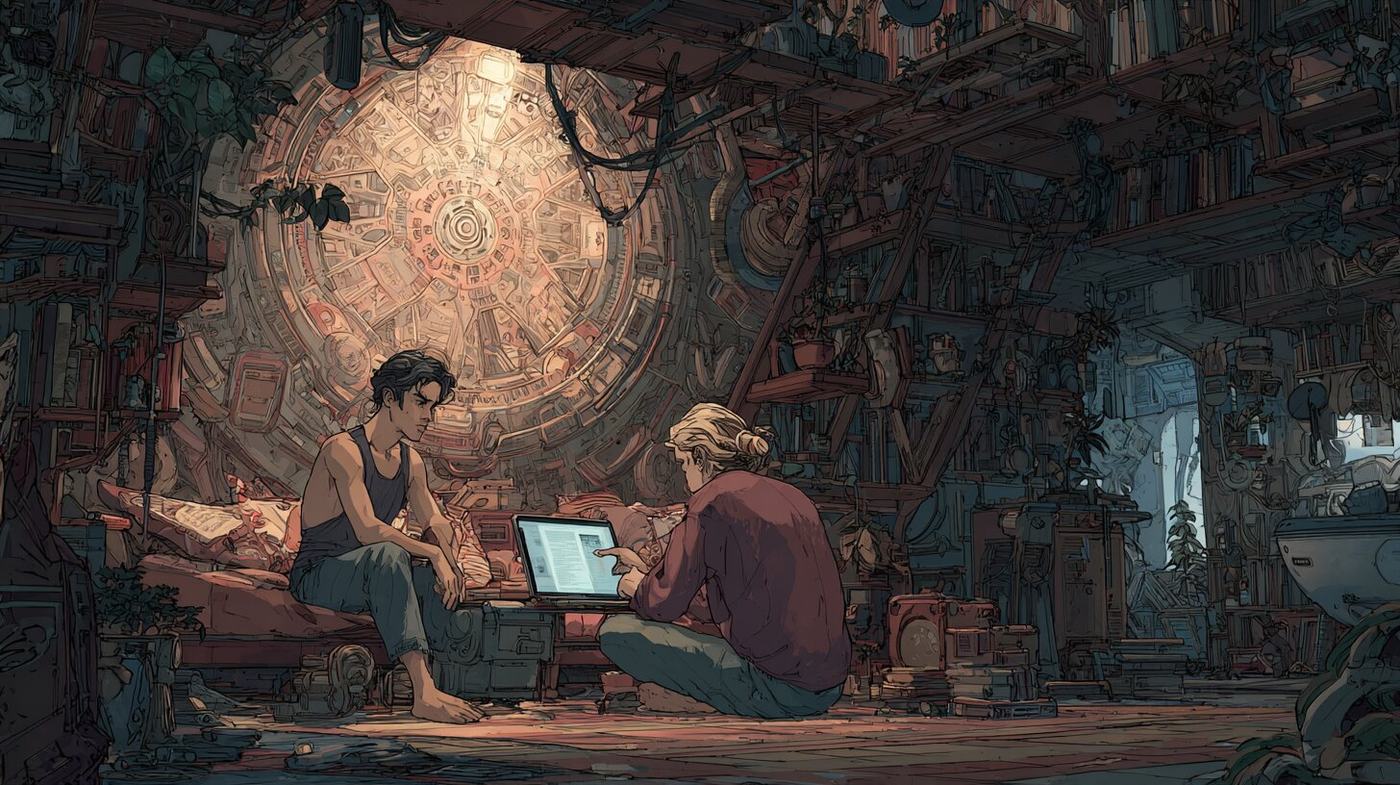
After several months I refined all my ideas into a framework I felt most accurately illustrated my mythology. I spent the rest of the year building a website to house the ideas: www.zeroequalsone.net. In good faith and with honor, courage, discipline, and persistence I have chosen a path less conventional, in an attempt to contribute to the drama of life from an alternative perspective. I project a myth in the hope that it will help others pursue their unique path and offer it as a spine on which other ideas may find space to flourish as an alternative.
I save the file and shut down the computer.
Tomorrow I'll meet Akiko again. We'll continue the story. Keep dictating, keep capturing, keep trying to make sense of it all.