Chapter 9
San Cristobal
Finding Your Spot on the Wave
SAN CRISTOBAL, CHIAPAS, OCTOBER 2001
From Guatemala I sent the group email home. Mexico in a page. The fire got two lines.
Ariba! Ariba! Zapatistas, soldiers, natives, gringos, want to be American Mexicans and beautiful market places. Yula starts to travel with me, German girl, very up tight, never expected person like this to be traveling in the non-west. Churches with grass in them and Coca-Cola bottles stacked up high, plastic mannequins as holy figures and long drunken fiestas outside. Coca cola bottles I wondered, and the answered was soon revealed, burping is supposed to relieve Mayans from evil spirits, great market scheme there Coca-Cola. Rice and beans and enchiladas, tequila and salsa heated things up a little to much, Marco, an Italian guy in our hostel has an accident and burns his face while trying to blow fire. NOT COOL, he had 2nd degree burns all over face and is still in the hospital, the hero inside me leaped on to him to put the fire out and then leaped off him when it caught fire also, that was my cue to start leaving Chiapas. Next day temascal ceremony with a shaman who got really pissed at me for filming, almost turned me in to a frog, while he yelled at me in Spanish. I am stupid gringo! De-possession with an egg by another shaman who promised me that the little bit of red in yolk would bring sexual dreams and good luck. We will see about that.
By the time I reached San Cristobal de las Casas, I'd been traveling for three weeks. I'd surfed the path with increasing grace, finding the right hostels, meeting the right people, stumbling into synchronicities that felt less like luck and more like confirmation that I was exactly where I needed to be.
The bus from Palenque rumbled south through the night, taking me deeper into Chiapas, the beating heart of Mexico's indigenous resistance. I'd deviated from my original plan. The coast could wait. Something was pulling me toward San Cristobal de las Casas.
The road began to climb. ¡Arriba! ¡Arriba!
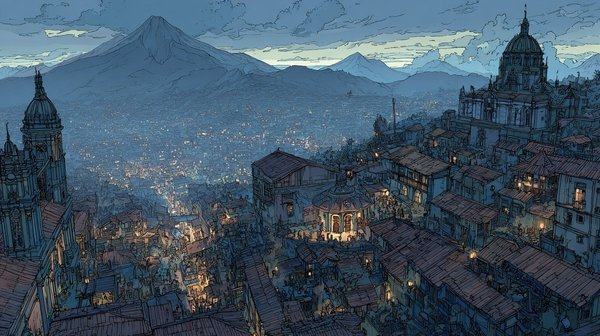
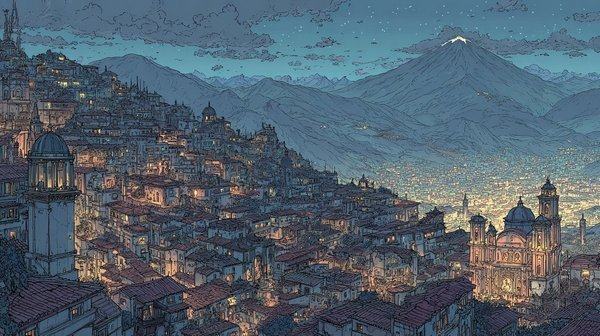
The highlands were different from the jungle. Cooler. Drier. The air had altitude in it. As we descended into the valley where the city sat, I could see the colonial architecture spreading out below, terracotta roofs and whitewashed walls, church steeples rising above the sprawl. But underneath that Spanish overlay, you could feel the indigenous reality pulsing. This was Mayan country. Zapatista country.
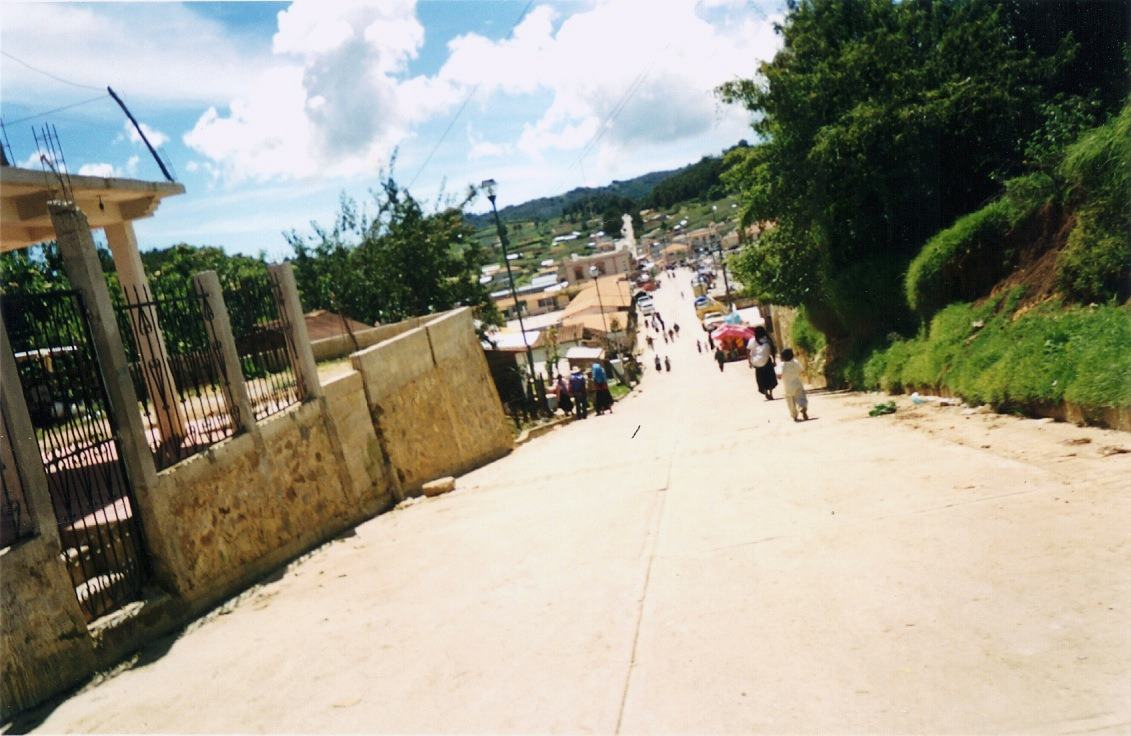
Soldiers stood on street corners with automatic rifles. Not the lazy, corrupt federales you'd see in beach towns, but alert, nervous men whose eyes tracked everyone who passed. The Zapatista uprising had been seven years ago, but the tension hadn't fully dissolved. It was baked into the streets.
I'd picked up a traveling companion in San Cristobal. Yula, a German girl in her mid-twenties. Uptight doesn't quite capture it. She was the kind of traveler who kept a detailed budget in a leather-bound notebook, who complained about the lack of hot water, who looked vaguely scandalized by the chaos of the third world. I never expected someone like her to be wandering the non-West, but there she was, clinging to her Lonely Planet like a life raft.
“Why do they need so many soldiers?” she asked as we checked into a hostel near the main plaza.
“Zapatistas,” I said. “Indigenous uprising. '94. They're still here. In the mountains.”
She frowned, already uncomfortable.
The hostel was the kind of place where backpackers congregated, cheap, communal, full of Israelis post-army service, Europeans on gap years, a few lost American college kids. That's where I met Marco.
Marco was Italian. Mid-twenties. Charismatic in that specifically Italian way, all gestures and laughter, always performing. He'd been traveling for six months, working his way down from California, and he had this manic energy that made him the center of every conversation.
“Tonight,” he announced to the common room, “we go to the market fiesta. You have not seen Mexico until you've seen an indigenous fiesta.”
And so we went.
The market was a maze of stalls selling textiles, huipiles embroidered with geometric patterns that carried meanings I couldn't read, woven bags in colors that seemed to vibrate. Women in traditional dress sat behind piles of corn and beans, their faces weathered and dignified. Children ran through the narrow passages, laughing.
And everywhere, everywhere. Coca-Cola.
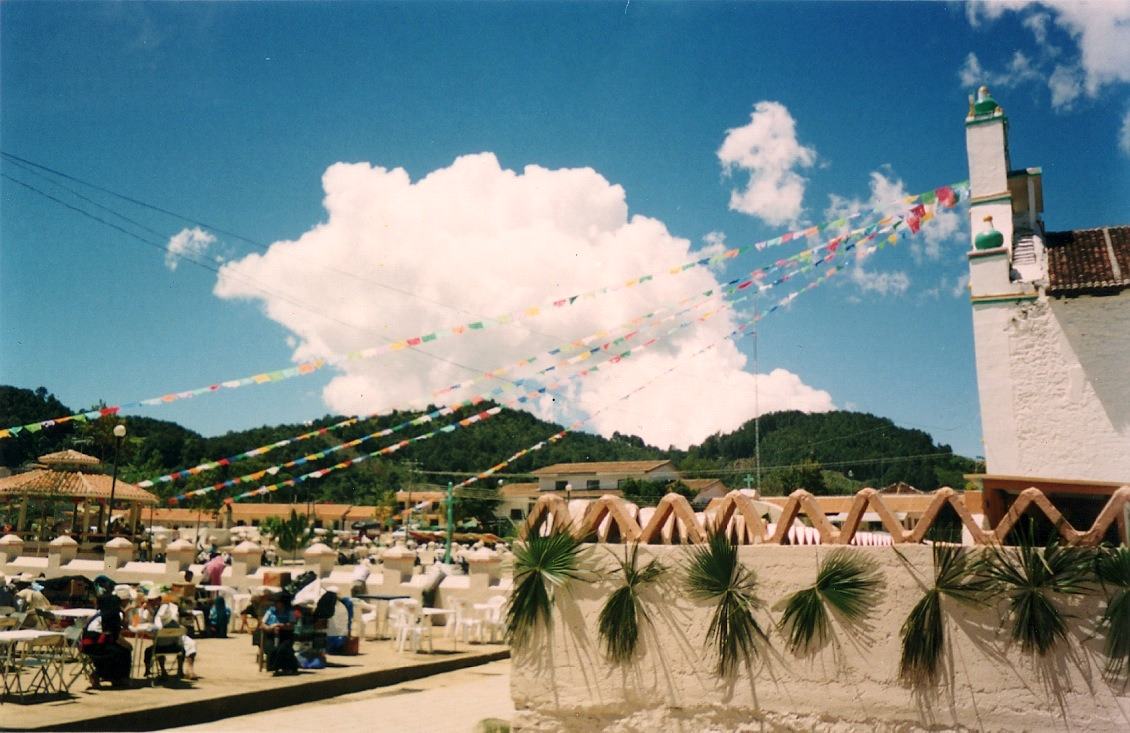
Bottles stacked in pyramids outside the church. Crates of the stuff piled against colonial walls. At first, I thought it was just capitalism's inevitable penetration, the same McDonaldization you'd see anywhere. But Yula, ever the researcher, had read about this.
“It's for the ceremonies,” she said, consulting her guidebook. “The indigenous people use it. For burping.”
“For what?”
“Burping. They believe burping expels evil spirits. So they drink Coca-Cola during rituals because it makes them burp.”
I stared at her. Then I started laughing. It was too perfect. Too absurd. The multinational corporation finding a way to insert itself into ancient shamanic practice. Great marketing scheme, Coca-Cola. Monetize exorcism.
We wandered into a church, not the main cathedral, but one of the smaller indigenous ones that dotted the city. And the moment I stepped inside, I knew I wasn't in Kansas anymore.
The floor was covered in grass. Fresh pine needles, actually, laid out in a green carpet that filled the entire nave. Candles, hundreds of them, burned in clusters on the floor, their wax pooling into multi-colored stalagmites. And instead of traditional Catholic saints, there were plastic mannequins dressed in indigenous clothing, their blank faces staring down from the altars.
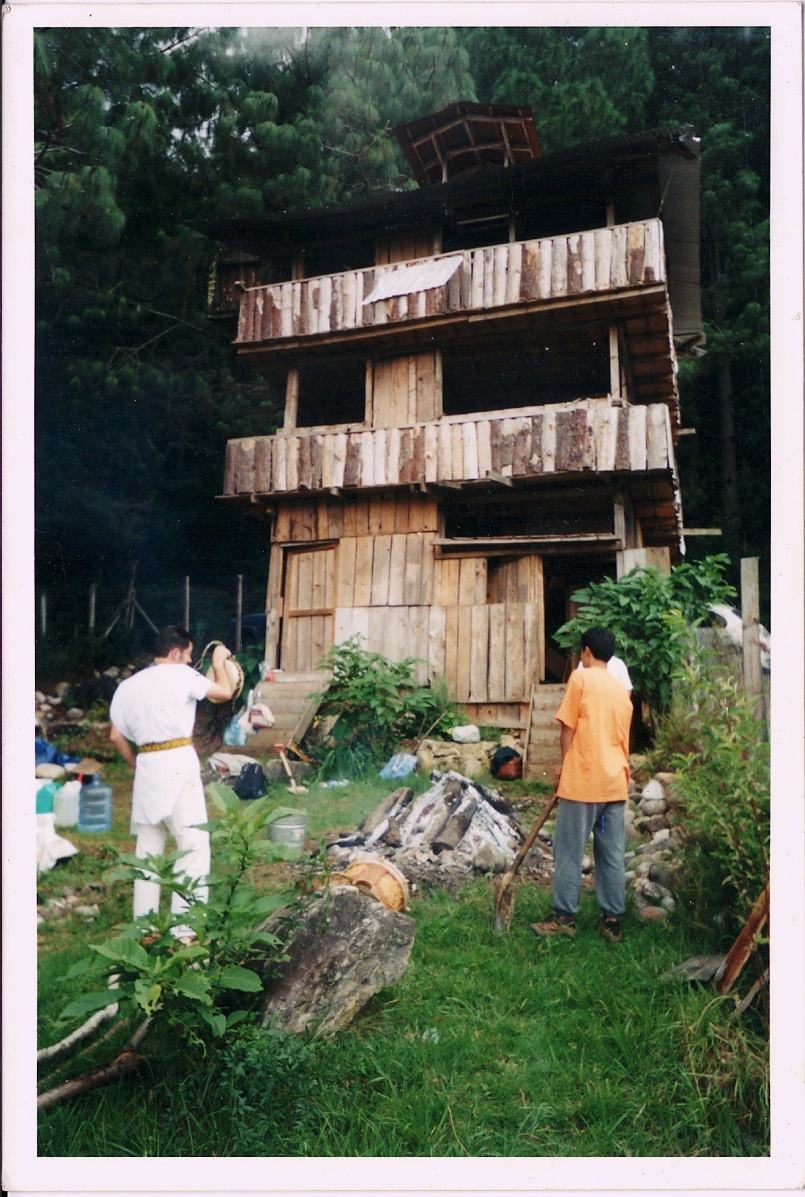
It was syncretism taken to its most surreal extreme. Catholicism and Mayan cosmology mashed together into something that belonged to neither tradition fully, something hybrid and strange and utterly alive.
Music poured in from outside, not mariachi, but something older. Drums and flutes, rhythms that predated the Conquest. The fiesta was starting.
Back at the hostel, we were having a barbecue in the backyard, me, Marco, his friend from Italy, and three German girls we'd been trying to impress all evening. We'd had a few beers. The meat was grilling. We were laughing and talking.
I noticed the bottle of lighter fluid sitting by the grill.
I'd learned this trick at parties back in Europe. You take a mouthful of lighter fluid, hold it in your mouth mixed with air, and spray it over a flame. If you get the ratio right, enough air to create a spray, enough fuel to ignite, you can blow a massive fireball like a dragon.
The trick is knowing how much air to add. Too much air and there's not enough fuel to light. Too little air and the stream of lighter fluid stays liquid. And if the stream stays liquid, the flame can backtrack. It can follow the fuel back into your mouth.
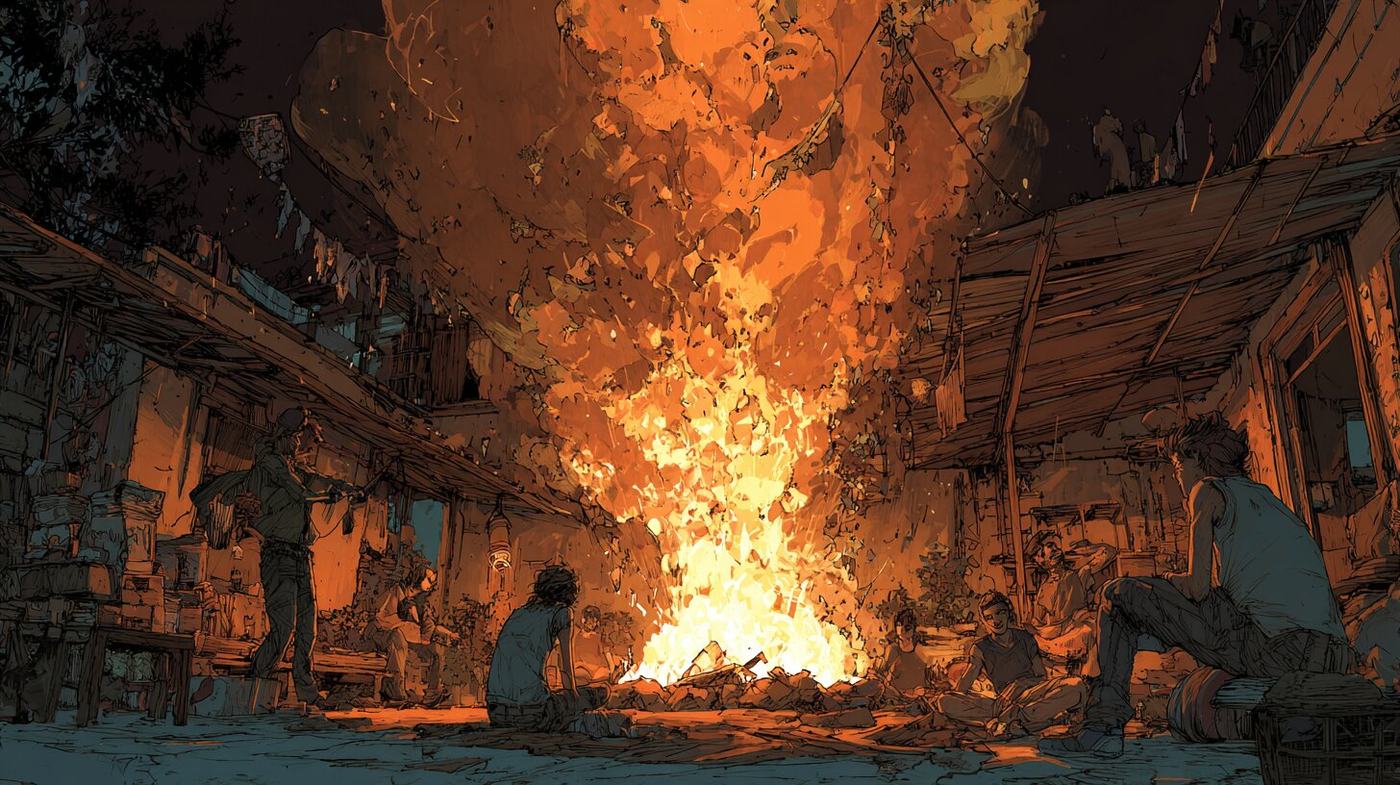
I wrapped a paper towel around a fork, doused it in lighter fluid, and lit it. Then I filled my mouth halfway with lighter fluid, looked at everyone to make sure they were watching, and sprayed.
The fireball was huge. Six feet tall. The girls screamed and giggled. The guys cheered. I was kind of surprised with myself. I'd only done it a couple of times before. And this was kind of big.
The conversation moved on. We started eating. I didn't think anything of it.
Akiko stops typing: Wait, so you're doing fire breathing tricks at a barbecue? What could possibly go wrong?
Everything, I say. Everything went wrong.
Marco had eaten first and was smoking a cigarette in the corner. And I was not paying attention to him.
And all of a sudden, I turn around and see him about to imitate me and attempt to blow a fireball as well. I tried to say something. But before I could, lighter fluid came out of his mouth, and almost as if it were happening in slow motion the flame crept up the stream, igniting a massive flame in his mouth, which poured out all over his face, catching fire and spreading to his clothes.
He was panicked. The flames on his face were several feet long. And he was running around the backyard.
I grabbed him, felt the heat radiating through his skin. Tucked his face into my chest. He spat the rest of the fuel onto me and it caught fire. I let go.
His face was no longer burning, but it was steaming. The skin peeling off in sheets. His eyebrows and eyelashes gone. His lips swollen and bloody. The first layer of skin on his cheeks, nose, and forehead burned away completely.
We crushed ice. Put it on his face. Called an ambulance.
He was moaning. Twitching. Delirious.
It could have been worse. We'd reacted quickly. But Marco was fucked.
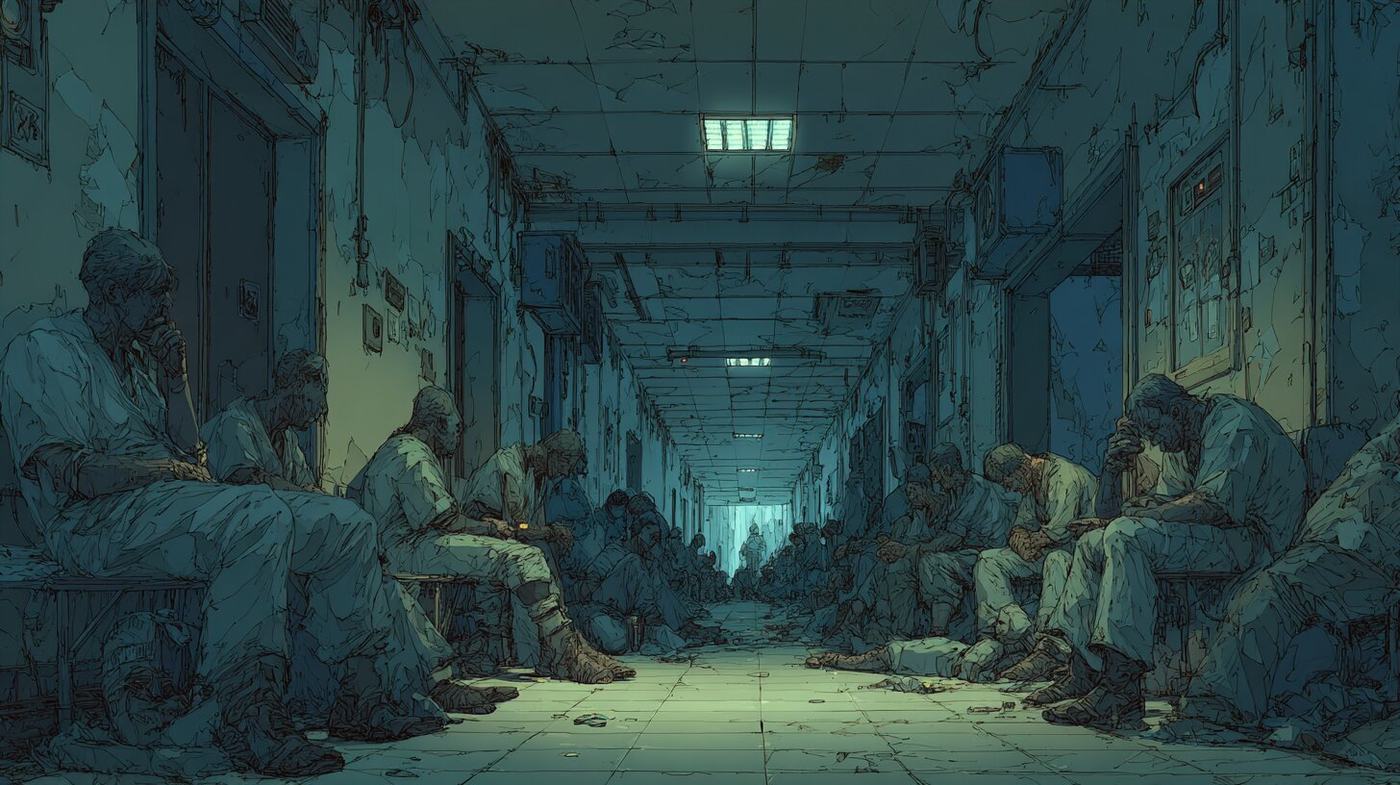
The mood at the hospital was somber. We sat in the hallway smoking cigarettes, drinking beer, waiting for news.
I couldn't stop thinking about how easily everything could go wrong.
I'd been surfing this wave of serendipity across continents, feeling invincible. Feeling like the universe had my back. But the truth was simpler and darker: one wrong turn, one moment of carelessness, and the whole thing could collapse.
I'd been arrogant. Overconfident. I'd shown off with a dangerous trick, and someone I cared about had paid the price.
That was the night. The next day, with Marco still in the hospital, I went looking for a shaman.
Not Carlos the curandero, Clara's cousin, the one Oliver had sent me to. I never found him. San Cristobal had others.
Through the hostel grapevine, I'd heard about a shaman who performed traditional temascal ceremonies. Mayan sweat lodges. I'd been documenting everything on my camera, building this archive of experiences, and a temascal seemed like exactly the kind of thing I needed to capture.
The shaman's house was on the outskirts of town, down a dirt road that wound through cornfields. He was an older man, maybe sixty, with a face like carved wood and eyes that missed nothing. He greeted us, me and two friends from the hostel, with a formality that felt ceremonial in itself.
The temascal was a low dome made of stone and adobe, barely tall enough to crawl into. A fire burned outside, heating volcanic rocks until they glowed red. One by one, we stripped down to bathing suits and crawled inside.
It was dark. Womb-dark. The shaman followed us in, pulling a blanket across the entrance to seal it shut.
Then he began to pour water over the stones.
Steam erupted, thick, scorching steam that filled every cubic inch of space. Within seconds, I couldn't breathe without feeling like my lungs were being scalded. My two friends had gone silent.
The shaman started to chant. Low, guttural sounds in a language I didn't recognize. Tzotzil, maybe. Or Tzeltal. The words rose and fell with the rhythm of the steam, and I felt something shift, not in the external world, but inside my own skull.
I reached for my camera. I'd been filming everything, hadn't I? This was important. This needed to be documented.
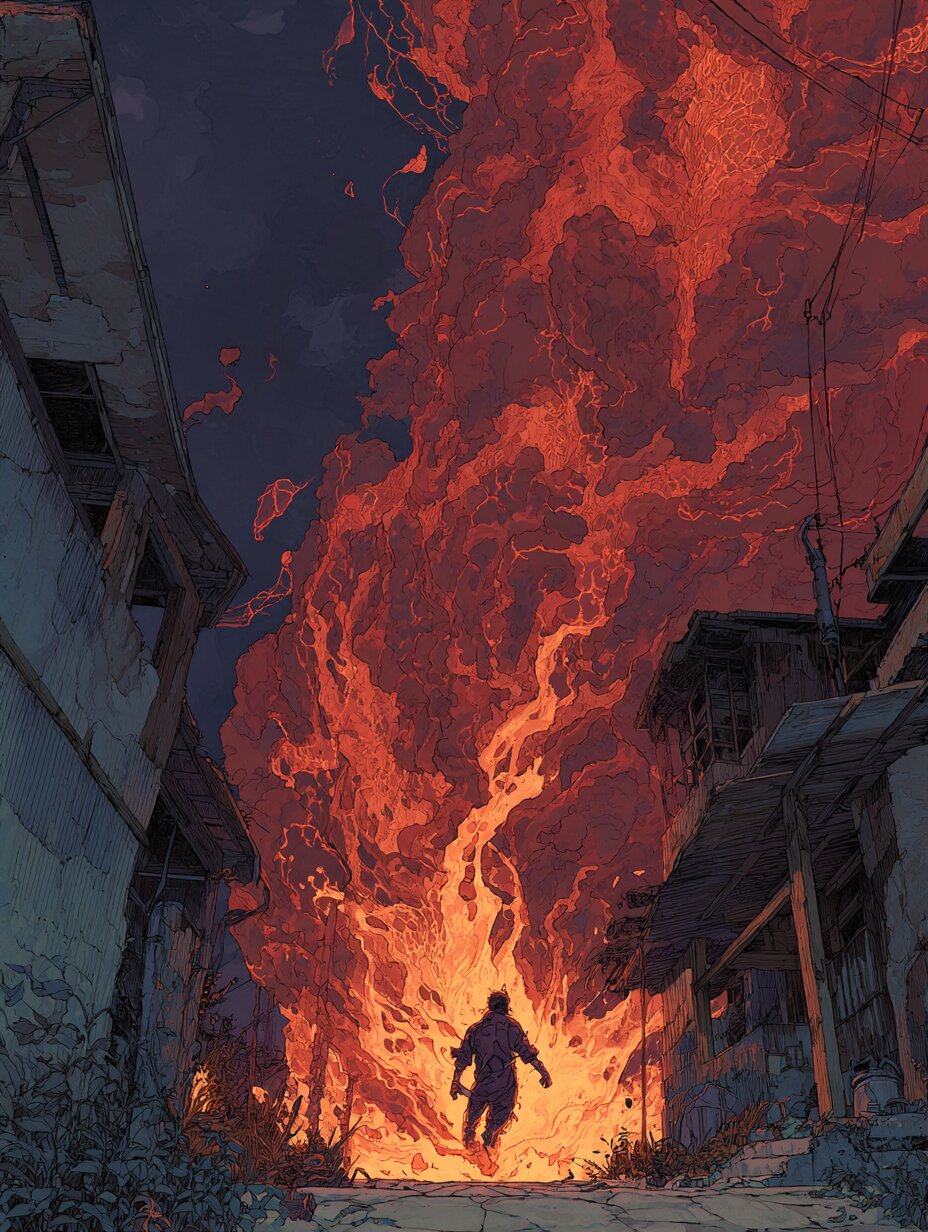
The moment I raised the viewfinder to my eye, the chanting stopped.
The shaman was staring at me.
Even in the darkness, I could feel his gaze, hot and fierce as the stones.
Then he started yelling. Rapid-fire Spanish, words tumbling over each other too fast for me to catch them all, but the meaning was clear: Put that fucking thing away.
Lo siento, I stammered. Lo siento, lo siento,
He kept yelling. Something about gringos. Something about disrespect. Something about turning me into a frog if I didn't,
I shoved the camera back into my bag.
The chanting resumed, but the energy had changed. I'd broken something. The sacredness of the space had been punctured by my need to capture it, to turn it into content.
We stayed in the temascal for another hour, sweating, chanting, purging, but I was no longer fully present. I was thinking about the camera. About documentation. About the weird paradox I'd trapped myself in: trying to record the unfolding of my path while simultaneously disrupting its natural flow.
Bringing the western objective gaze of the camera, especially without the permission of the person conducting the ceremony, would alter the energetic dynamics of that moment, would add a rigidness to the fluidity of the poetic schema brought forth by the shaman, and would almost undermine the purpose. Almost like looking behind the curtain of the Wizard of Oz, or not enjoying the magic trick and constantly trying to figure out how it's done.
The question here becomes: why are they so afraid, other than the disrespect? Was there really something that changed energetically as a result of the camera being there, recording time onto a magnetic tape? Or was it just fear of losing legitimacy, because the camera would capture something that would reveal that whatever he was doing was wrong?
My experience was always that when I filmed parties I would never be able to really capture that sensation of being there. Whenever I would look at my footage it always seemed pathetic. The transcendental feeling, the vibe, the smell, the temperature could never be captured. Perhaps that's what he was afraid of: that it would misrepresent the ritual because it was unable to capture it, and therefore why bother. Why only be able to share part of the experience? Without the other things that the camera could not capture, the footage would not represent what actually was happening. The camera could never capture the totality of what was going on, and therefore would misrepresent the experience to anyone who watched it.
When we finally crawled out, blinking in the daylight like newborns, another shaman pulled me aside.
Through broken Spanish and hand gestures, he explained that he would perform a de-possession ceremony on me. With an egg.
I didn't understand, but I nodded.
He had me sit on a wooden stool while he rubbed a raw egg over my entire body, starting at my crown, moving down my spine, across my chest, down my arms and legs. He muttered prayers the whole time, words I couldn't parse.
When he was done, he cracked the egg into a glass of water.
We both stared at it.
The white settled in cloudy formations. The yolk floated, intact. And there, just at the edge of the yolk, was a tiny thread of red.
The shaman smiled.
“Bueno,” he said. “This red, it will bring you sexual dreams and good luck.”
He winked.
I paid him, still not entirely sure what had just happened, and walked back toward town.
I was still feeling embarrassed about the temascal ceremony, where the shaman had gotten furious at me for trying to film the ritual. I'd learned my lesson, you don't film sacred ceremonies without permission. Not because it's against some rule, but because cameras change the energy. People become self-conscious. The ritual becomes performance. I'd been out of line, and I knew it.
Still shaken from Marco's accident and the shaman's anger, I thought about Tulum.
The pendulum. Dionysian and Apollonian. Intuitive and rational. Poetic and literal.
The pendulum was swinging back.
And here I was in San Cristobal, in Zapatista territory, where indigenous wisdom met modern rebellion, watching that swing in real time.
Let go of capturing. Just be captured.
Lying in bed, staring at the ceiling, I had a vision.
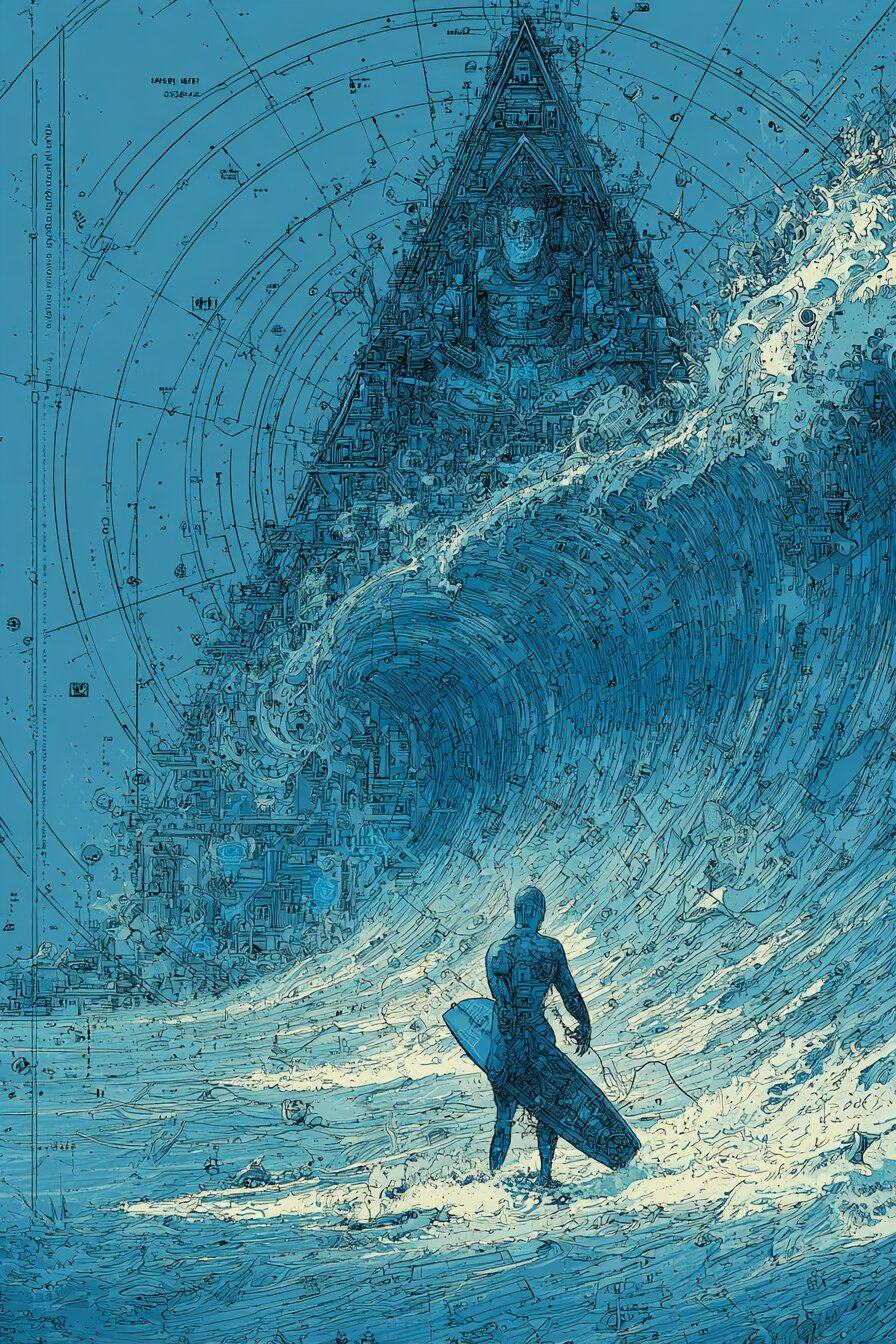
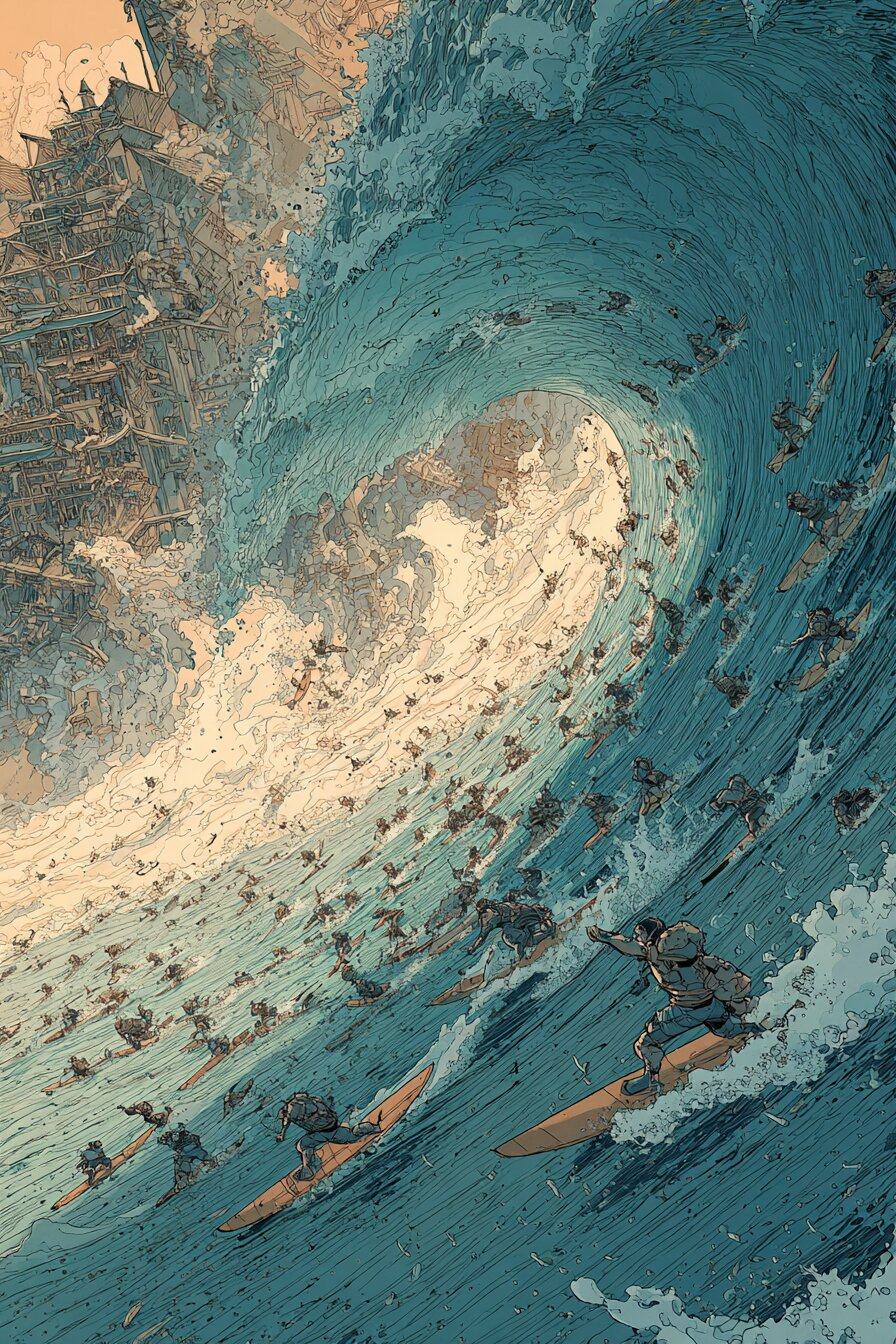
It was a wave. A perfect wave. Enormous. Long. Tall. With every possible angle so it could be surfed from the very beginning to the most extreme Mavericks-level barrel.
And on this wave, there were hundreds of surfers. Thousands. All surfing simultaneously.
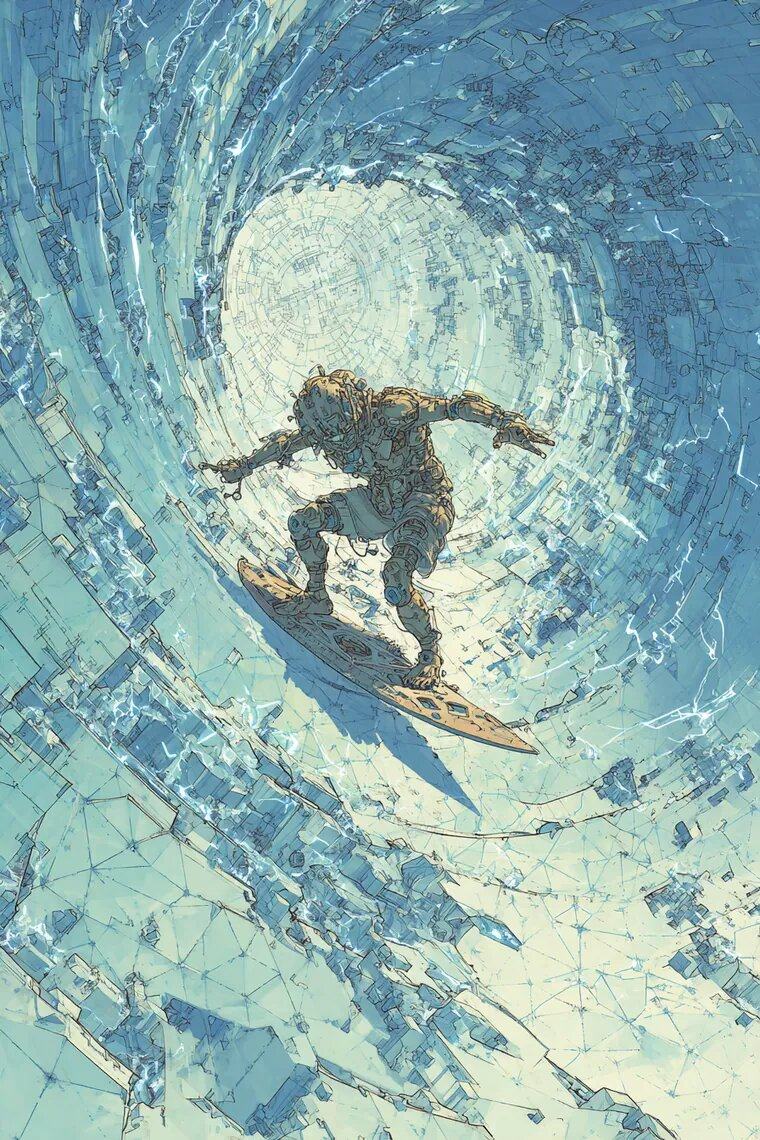
But here's the thing: there was a specific place on that wave for each person. A unique spot determined by their skills, their potential, their archetypal position in life. And if everyone surfed their own spot, if everyone chose the angle that was actually right for them, not the one they thought they should be on, then everyone could surf the wave simultaneously without getting in each other's way.
Life would be joyous. Effortless. Graceful.
But because we're selfish beings who operate through ego, we rarely choose the right spot. Some people are overly ambitious and seek the deeper, steeper parts of the wave even though they're not capable of surfing at that level. Others are lazy and choose to surf the calmer sections when they could be riding something more challenging.
And as a result, we get in each other's way. We complicate each other's rides. We crash.
I'd been surfing someone else's wave. Trying to be the guy who does the dangerous trick. The guy who impresses the girls. The showman. The performer.
But that wasn't my spot.
And Marco, trying to imitate me, had crashed.
The question wasn't whether I could blow a fireball. The question was whether I should. Whether that was actually aligned with who I was and what I was here to do.
And the temascal, the viewfinder up in the dark. Trying to be the guy who captures everything. Same wave. Wrong spot.
If I wanted to stay in the flow, I needed to be more humble. More thoughtful. More aware of the role I was playing and the impact I was having.
I needed to find my spot on the wave and stay there.
The next morning, we left early. Marco stayed behind with his friend Oscar. He was going to recover for a few days and then fly back to Italy. His trip, six months of traveling still ahead of him, was over.
I was leaving with Yula. She was good company. Kept me grounded when my philosophizing got too abstract. She was worried about her visa. It was expiring soon, and she wasn't sure if she'd be able to leave Mexico and then come back as a tourist. Her Spanish was better than mine, but she always seemed confused.
“I can understand maybe a third of what people are saying,” I told her over coffee. “But I always get the gist of what's going on. You speak fluent Spanish and you're still worried. Just trust it. We'll cross the border. You'll be fine.”
She didn't look convinced.
As we walked to the bus station, the door to the hostel opened. It was Oscar and Marco.
Marco's entire head was wrapped in gauze like a mummy. There were three small slits, two for his eyes, one for his nose. He couldn't speak.
Oscar looked exhausted.
“It was pretty bad,” he said. “They operated on him for a couple of hours last night. Shaved skin from his thighs and grafted it onto his face. By the time we got to the hospital his face had swollen so much they were afraid he wouldn't be able to breathe. But he's lucky. The burns weren't as severe as they could have been. He'll heal. But he's going back to Italy.”
We stood there in silence.
“Safe travels,” Oscar finally said, hugging me. “And be careful with that camera from now on. Don't stick it in people's faces without permission, especially if they're shamans doing sacred rituals.”
I laughed. It was a relief to laugh.
“Take care of Marco,” I said.
The door closed. Yula and I walked out into the cold, humid morning air. The sun was just about to rise. The sky was bright enough to see the silhouettes of clouds hugging the tops of the surrounding hills.
“So Yula. Tell me more about why you're worried about this issue at the border.”
She looked at me as we were walking down the street, and with a very matter-of-fact look in her eyes, she told me.
“Well, it's quite simple, my visa expires next week. But I want to stay in Mexico for longer. But I got my visa from an NGO that I was working with, and they cannot extend my visa. But I know that I can stay in Mexico as a tourist, but I'm afraid that if I leave the country now I won't be able to come back in as a tourist because of the expired visa. And so I was thinking that maybe I should stay in Mexico for another three months. And on the way out, if I have problems, I tell them that I stayed as a tourist for three months afterwards. Meaning after my work visa for the NGO expired.”
I looked at her. “I would just talk to them. Tell them that you're leaving now, and that you're going to return as a tourist. Don't worry about it.”
The bus to the border was a few hours. I fell asleep immediately. I hadn't really slept the night before.
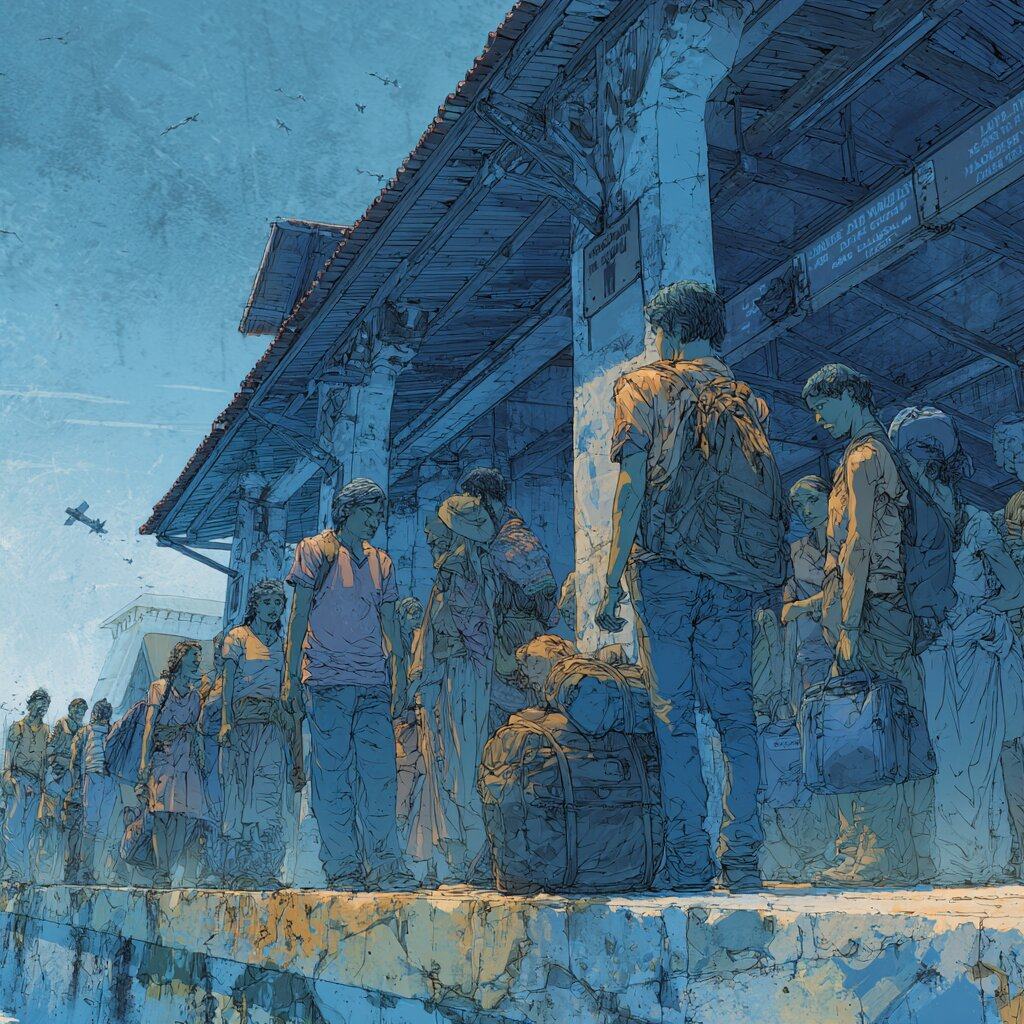
When we arrived at the border, it was hot and dusty. I didn't have my sunglasses, and stepping off the bus after three hours of sleep felt harsh. I looked disheveled. Disoriented. Unshaven. My hair had fallen out of its ponytail.
We were supposed to take our bags, walk across the border, get our passports stamped, and get back on the bus on the other side.
I walked to the kiosk with the border official. He looked at my passport. Stamped it. Let me pass.
It was simpler than I'd imagined.
Yula was behind me. She'd been biting her nails in line, looking guilty as fuck. I'd given her a dirty look earlier, trying to tell her: Stop looking so nervous. You're waving a flag.
She lowered her hand, but she still looked anxious.
I stepped into Guatemala and took my backpack off, trying to organize some of my stuff. The official didn't seem to be scrutinizing anyone's paperwork. I assumed Yula would get through just as quickly.
But ten minutes later, she was still at the kiosk. And she looked frustrated.
I walked back over. She was sweating. The government official had an unsympathetic look on his face.
“What's going on?” I asked.
I turned to the official.
“If she leaves now and gets a stamp on her passport, can she return as a tourist in a week?”
“Of course,” he said, looking bored.
I looked at Yula. “See? No problem. What's the issue?”
She still looked worried.
“But what if, ”
“Yula,” I said. “He just told you it's fine. You're overthinking this. Let's go.”
She hesitated. Then nodded. Got her stamp. We crossed into Guatemala.
If everyone was using the internet in a mindful way, we would receive the information we would need to receive at any given moment, so that we can all surf on the wave together. And not get in each other's way, and at the same time find our place in the wave.
Not in the fireball. But in the humility to know when not to blow one.
Design and Friction
Interlude
This is about complex systems and the entropy none of them escapes. The systems we design to simplify our lives grow more complex with every rule we add, until they clutter the very lives they were meant to simplify and fail the premise and the promise they were built on.
I've always been fascinated with design: the way we shape our tools, our buildings, our cities and the rules that run them so that they serve us. What is it, ultimately?
Is it an aesthetic exercise? A functionality and utilitarian exercise? An efficiency and practicality exercise? All of the above?
It feels like embedded in the essence of toolmaking and technology is the idea of simplifying life for us, by alleviating pain and minimizing the effort and energy to live a comfortable life. But does it also breed a form of mental complacency, an existential laziness?
This has made me wonder whether we are looking at the principle questions that design poses from the wrong angle.
Throughout my travels across the world, I had noticed this unifying feature amongst citizens from countries where the state did not provide the basic infrastructure and resources for their population. The people in these countries are extraordinarily resourceful.
Being alive had been boiled down to a ritual of pressing buttons and flipping switches. We had somehow managed to degrade the human potential and our spirit, not to mention the shape of our bodies.
This obsession with convenience and eliminating friction from life through design and engineering seemed to offer a short-lived gratification at the expense of a long-term, unfactored, devastating and long-lasting cost.
Hephaestus, the ancient Greek god of craftsmanship, toolmaking, metallurgy, and technical mastery, was also a cripple and a hunchback.
The price of technical agility often is physical dexterity, as tools begin to shape the toolmaker.
Perhaps this is a cautionary tale about an over-reliance on our tools and technology and the atrophying of our physical body as a result.
When I was the creative director for the Okeechobee Music Festival, the initial intention behind the event was to create a space for young people to be able to have a good time and let themselves loose. Through their three-day immersion in art and music, the hope was that they would connect with one another, and nature in a way that differed from our typical daily life in our alienating and regulated cities.
The whole point was to live together in nature with as few rules as possible and through that slightly dangerous wild setting instill a form of personal responsibility.
That with the freedom came the need to be self-aware to take care of one another.
It is really based upon principles that most big global events have, Burning Man first among them.
The best way to police large crowds is to have them police themselves and by having fewer rules, more responsibility is placed upon the participants.
As the festival grew, we would constantly have these long debates with the operations director who wanted to add more and more clutter, fencing, checkpoints, and other security measures. He always argued in the name of safety, and in the meetings he would frighten the rest of the committee with stories from other events he had worked at, where a fence had prevented a catastrophe, or where the lack of one had caused it.
We always gave in, fearing that something would go horribly wrong because we didn't follow his advice. It would end up costing us more money, every foot of fencing has a dollar amount attached to it, but it was not the money that was the issue. Our beautifully staged event was now scarred with these ugly fences and checkpoints, making it look and feel like a concentration camp and less like a place you want to run free in and have fun. A festival that size is a complex system, and every fence and checkpoint we added to control it made it more complex and less free. The harder we tried to engineer the risk out of it, the more we cluttered the thing it was built to protect.
I will end with one final small anecdote.
It is in reference to the purpose of design thinking and design in general.
It feels like design and engineering often have it as their intention to reduce friction, to make our existence in the physical world a little bit easier through comfort. From escalators, elevators, airplanes, and seat cushions, we want to eliminate the discomfort of being, the burden of having a body that moves through the physical world.
All along, we fail to realize that the very essence of our humanity, even the fact that we are able to stand on two legs is a result of us constantly fighting friction, gravity, time.
Friction defines us; it sharpens us, and design should not try to minimize that friction or externalize it, or extinguish it.
A close friend of mine is a prodigy architect and designed his parents’ home when he was 16 and his father’s construction company built it. In his house the main staircase from the basement to the first floor runs in a broken way, forcing the longest possible distance rather than concentrating the staircase in a spiral.
There was also a walk-in closet with a piano. It was connected with an air vent that ran to every other room so that the music traveled. In the darkness with a small light, you were meant to practice and concentrate knowing that you were being heard across the house.
When we become complacent and lazy we lose our humanity. So let's design systems that thoughtfully embrace friction, encoding it in such a way that sharpens our humanity and simplifies our life. At the same time let's remove unnecessary systems that only breed stupidity and confusion, further dulling our alertness and humanity.
The plain page of An Oddyssey. Behind the book.